
Sashiko embroidery mending wounds of northeast Japan quake 15 yrs on
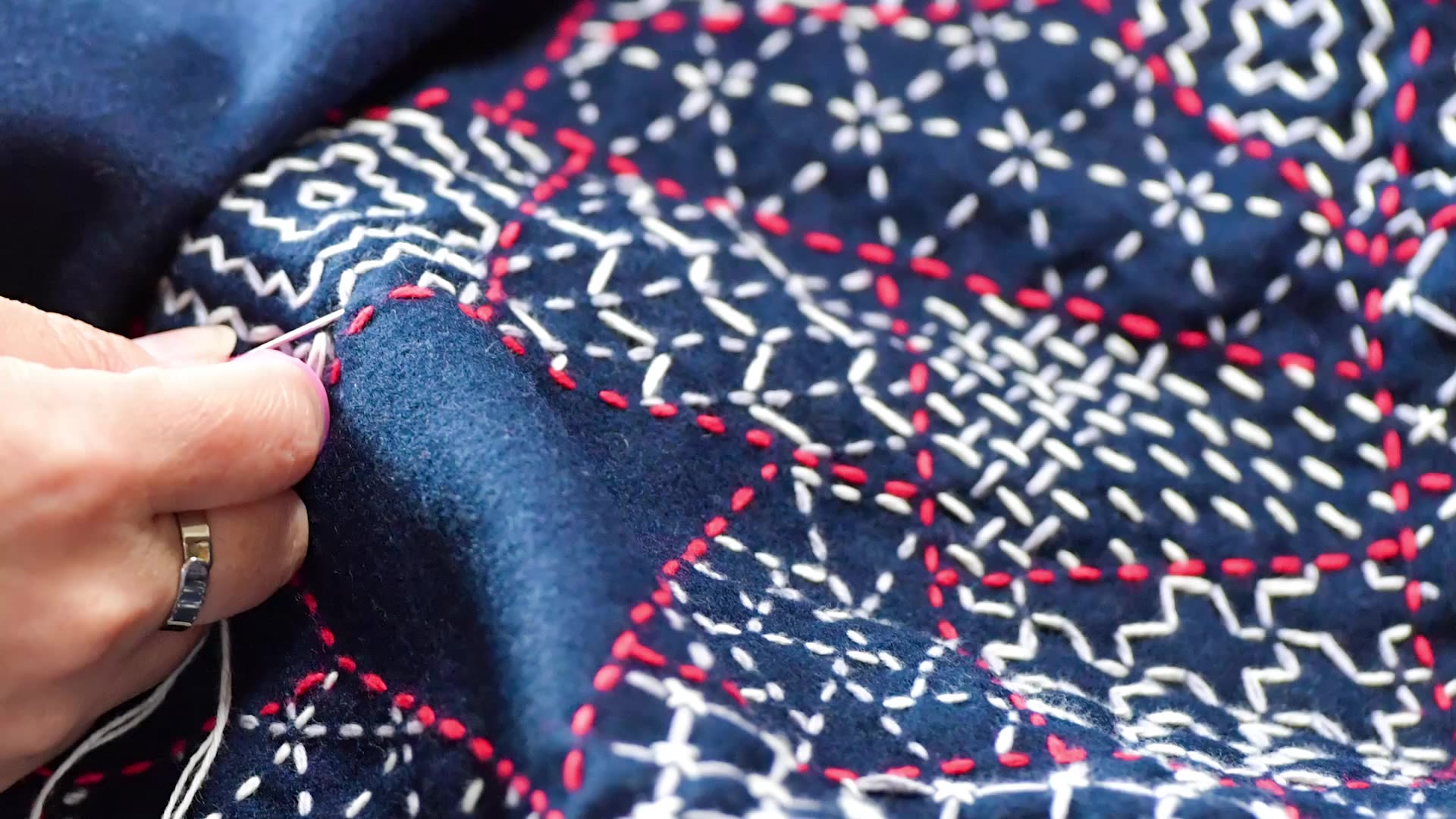

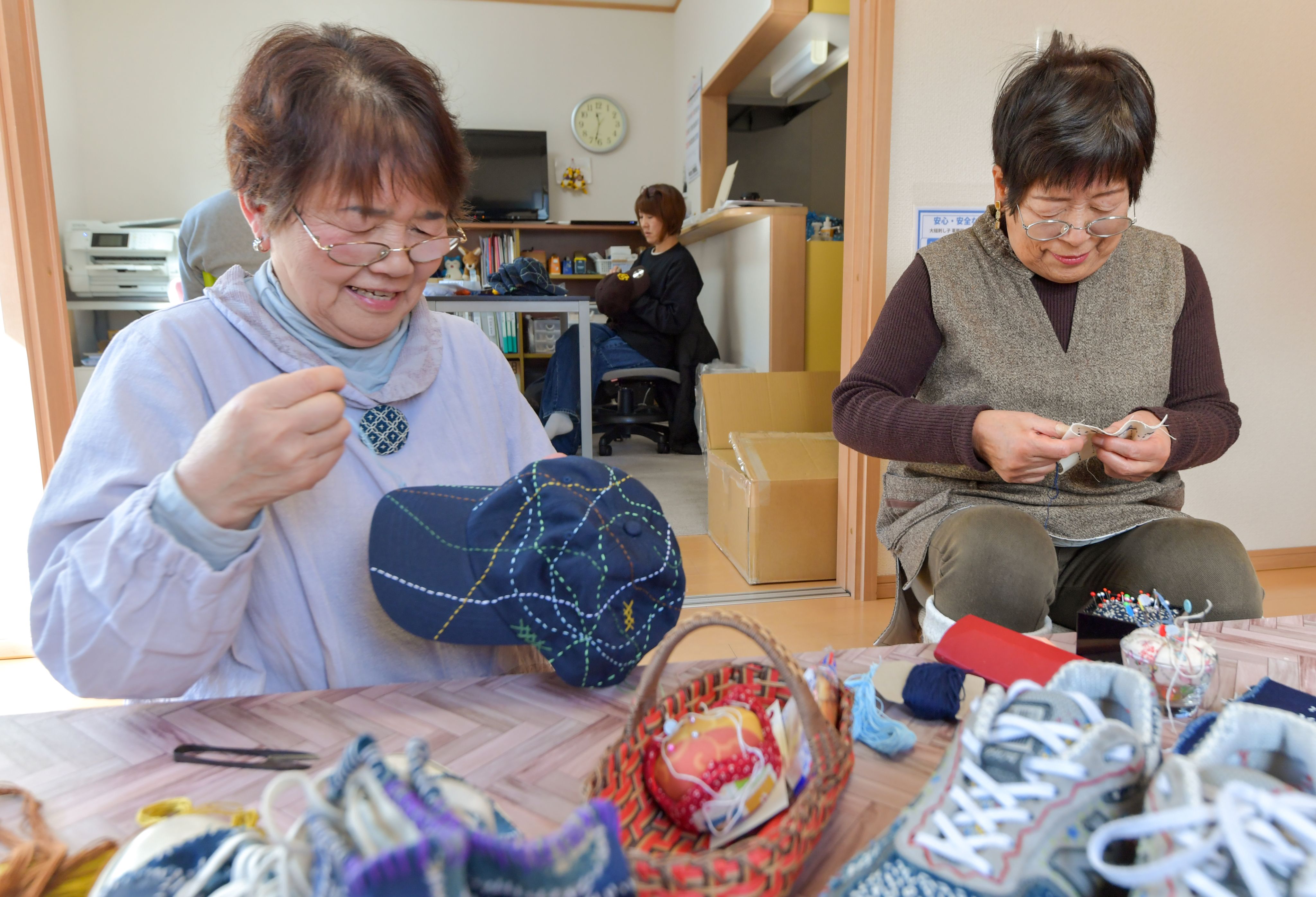
In a small workshop in the coastal town of Otsuchi, northeastern Japan, a group of women joke and laugh as they embroider intricate patterns in white, red and other colors onto indigo fabric. The result of their labors is scattered around them -- caps and jackets transformed with freehand lines and striking geometric patterns.

The works are all examples of a centuries-old sewing and embroidery technique known as Sashiko, once a practical way to repair garments, particularly in the local region. But under the steady hands of the women, many of whom are survivors of the devastating 2011 earthquake and tsunami, it has become something much more -- a way to stitch their lives back together.

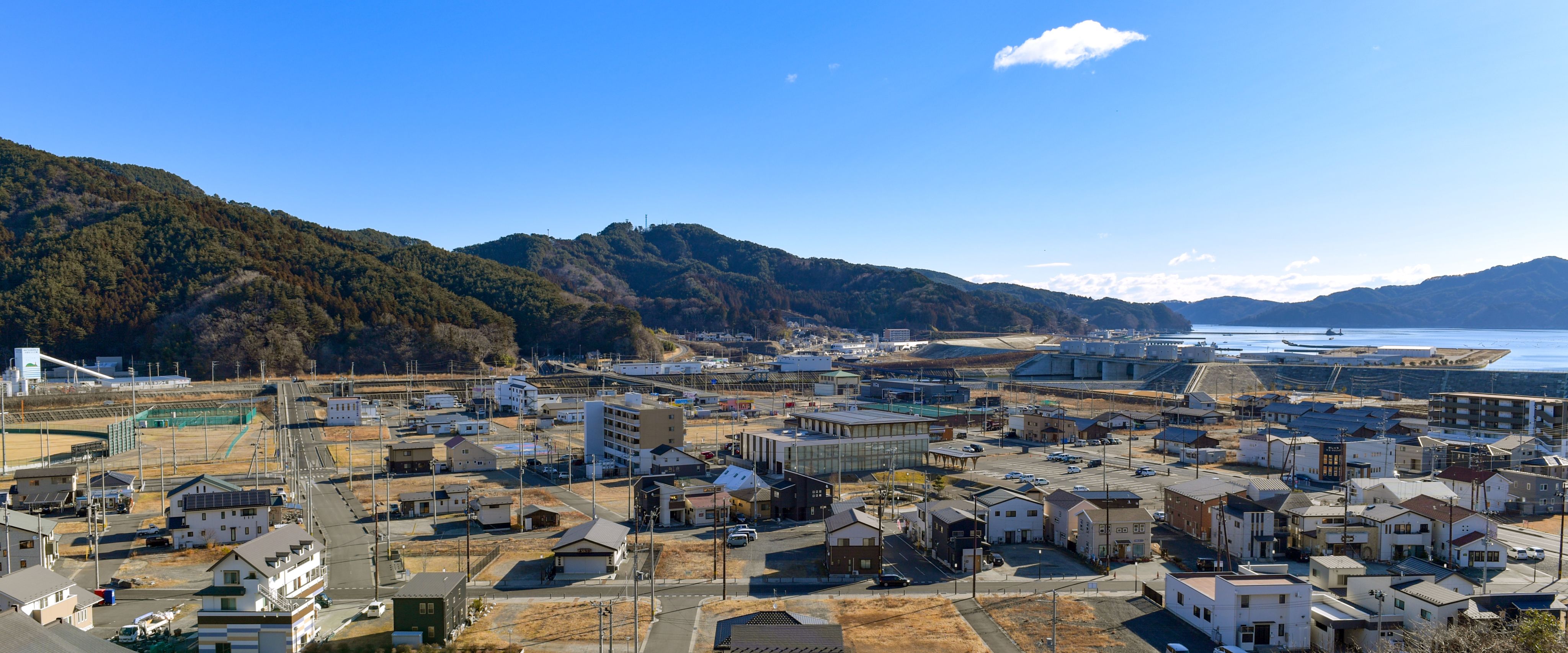
The studio used by the about 25-strong "Sashiko Gals" is in Otsuchi, a coastal town in Iwate Prefecture that lost nearly 1,300 residents, or 8 percent of its population, after the M9.0 quake and ensuing tsunami struck on March 11, 2011, leaving more than 18,000 people dead or unaccounted for in the wider region.

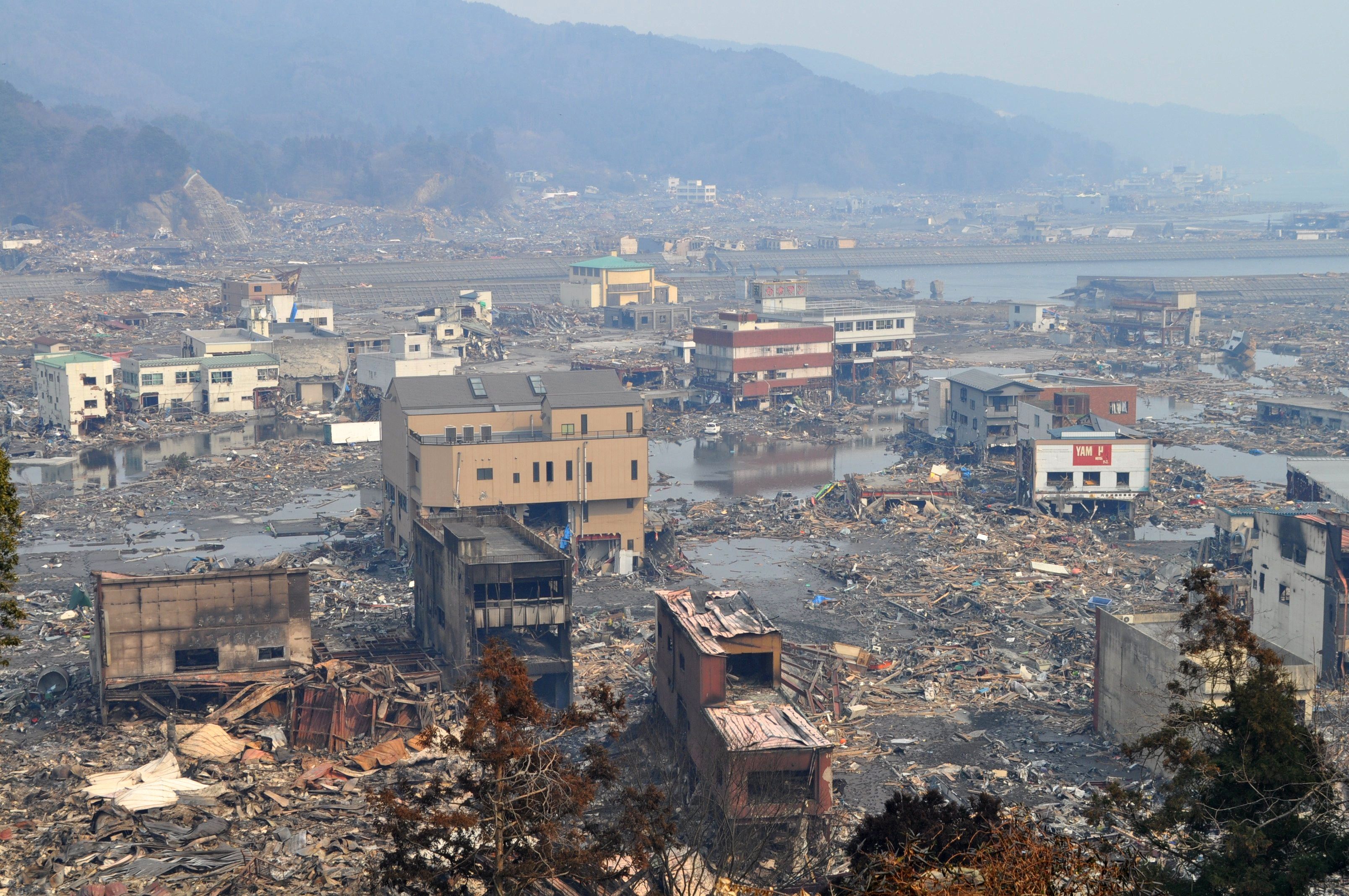
The downtown area of the coastal town of Otsuchi, devastated by the tsunami, is seen in Iwate Prefecture, northeastern Japan, on March 14, 2011.
The downtown area of the coastal town of Otsuchi, devastated by the tsunami, is seen in Iwate Prefecture, northeastern Japan, on March 14, 2011.

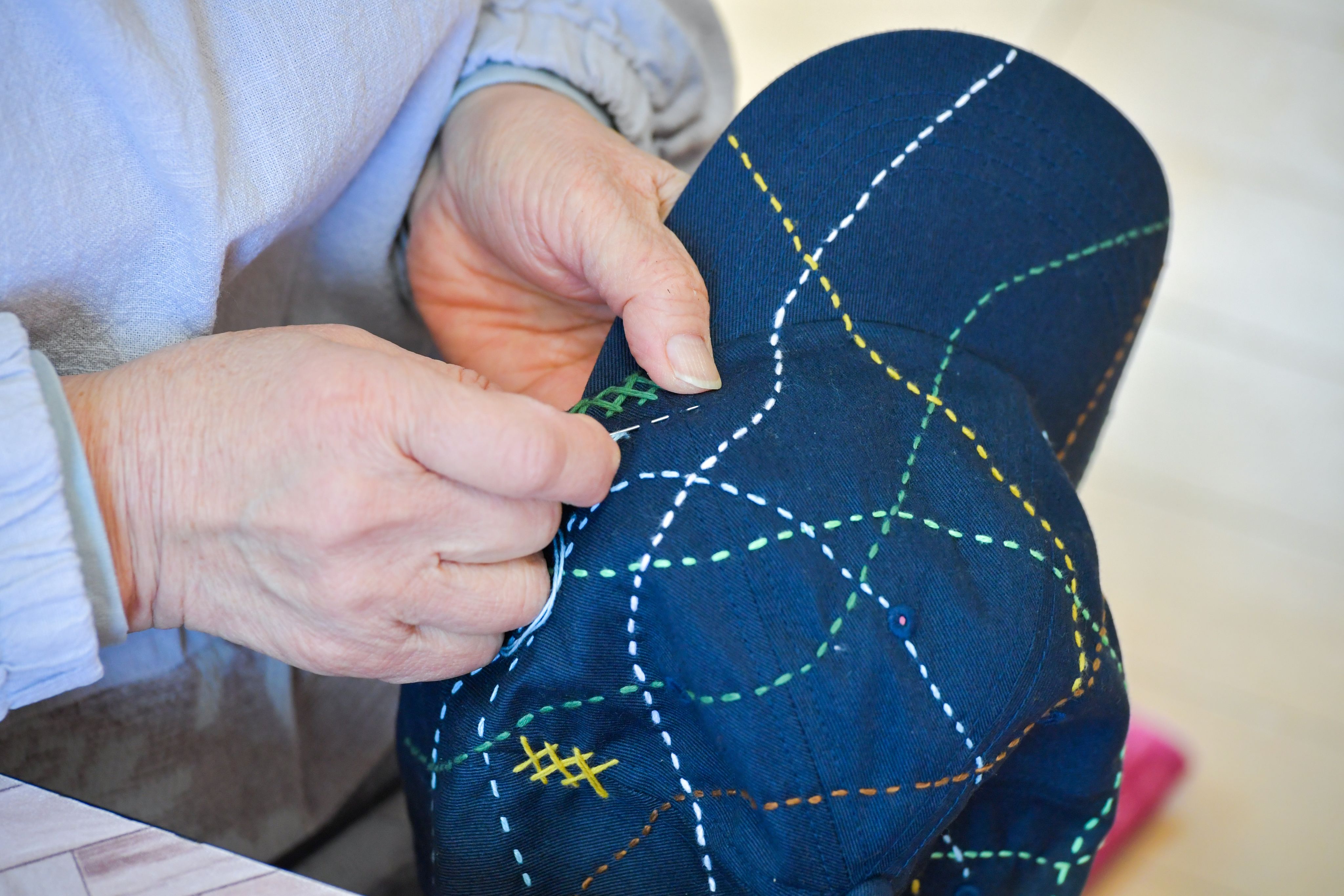
Mieko Osawa, 74, a flower shop employee at the time, was out delivering flowers when the disaster struck. She and her husband survived by fleeing by car to higher ground, and their home withstood the devastation, despite being inundated with water.

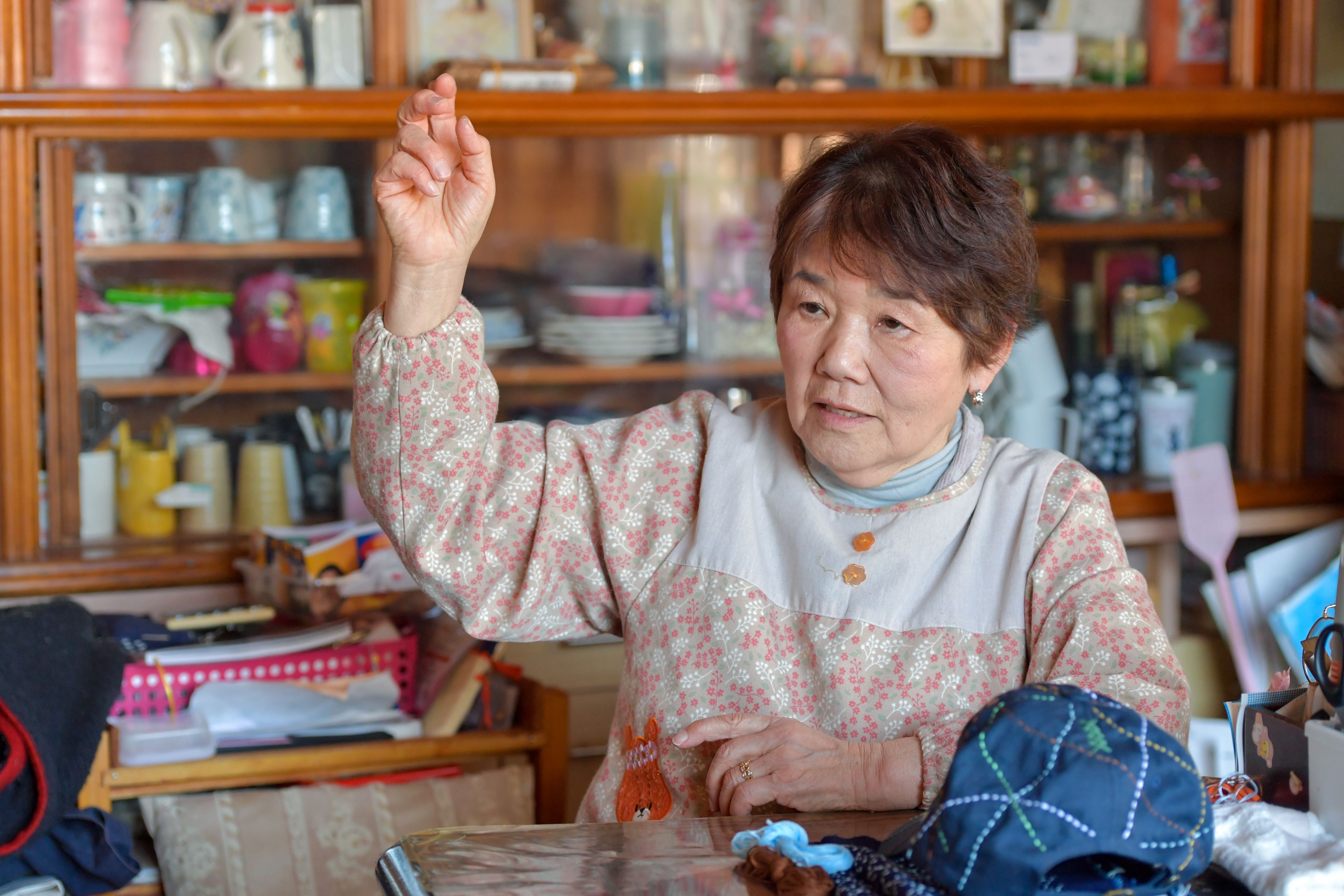
But she was consumed with survivor's guilt over the death of the store manager at the flower shop whom she had failed to convince to evacuate as well.

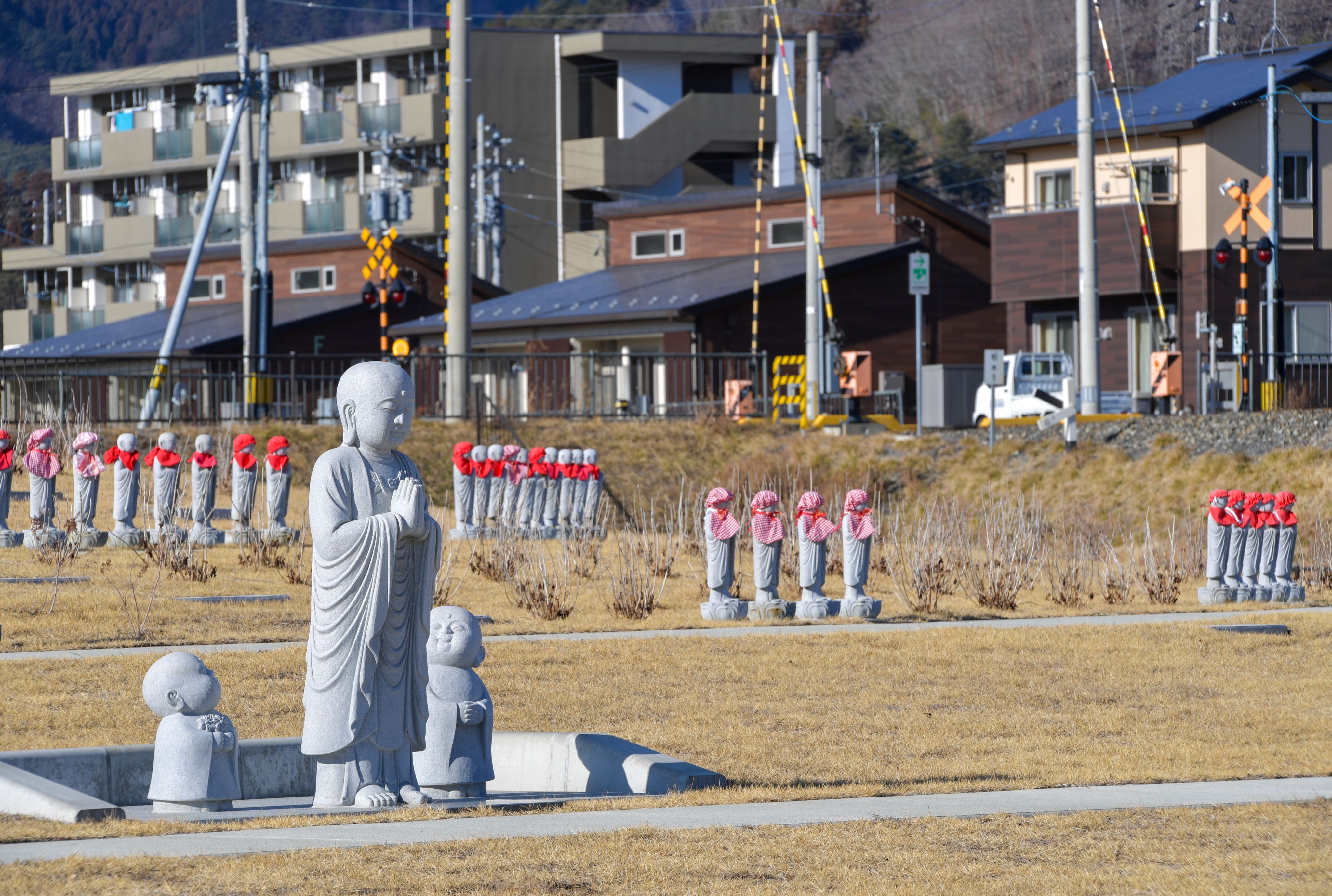
Photo taken on Feb. 3, 2026, shows jizo statues placed in the Memorial Forest, a memorial park for victims of the Great East Japan Earthquake in Otsuchi, Iwate Prefecture, in northeastern Japan.
Photo taken on Feb. 3, 2026, shows jizo statues placed in the Memorial Forest, a memorial park for victims of the Great East Japan Earthquake in Otsuchi, Iwate Prefecture, in northeastern Japan.
"I feel so sorry about it," she said. "If she had survived the disaster, we would have started a flower shop somewhere again."

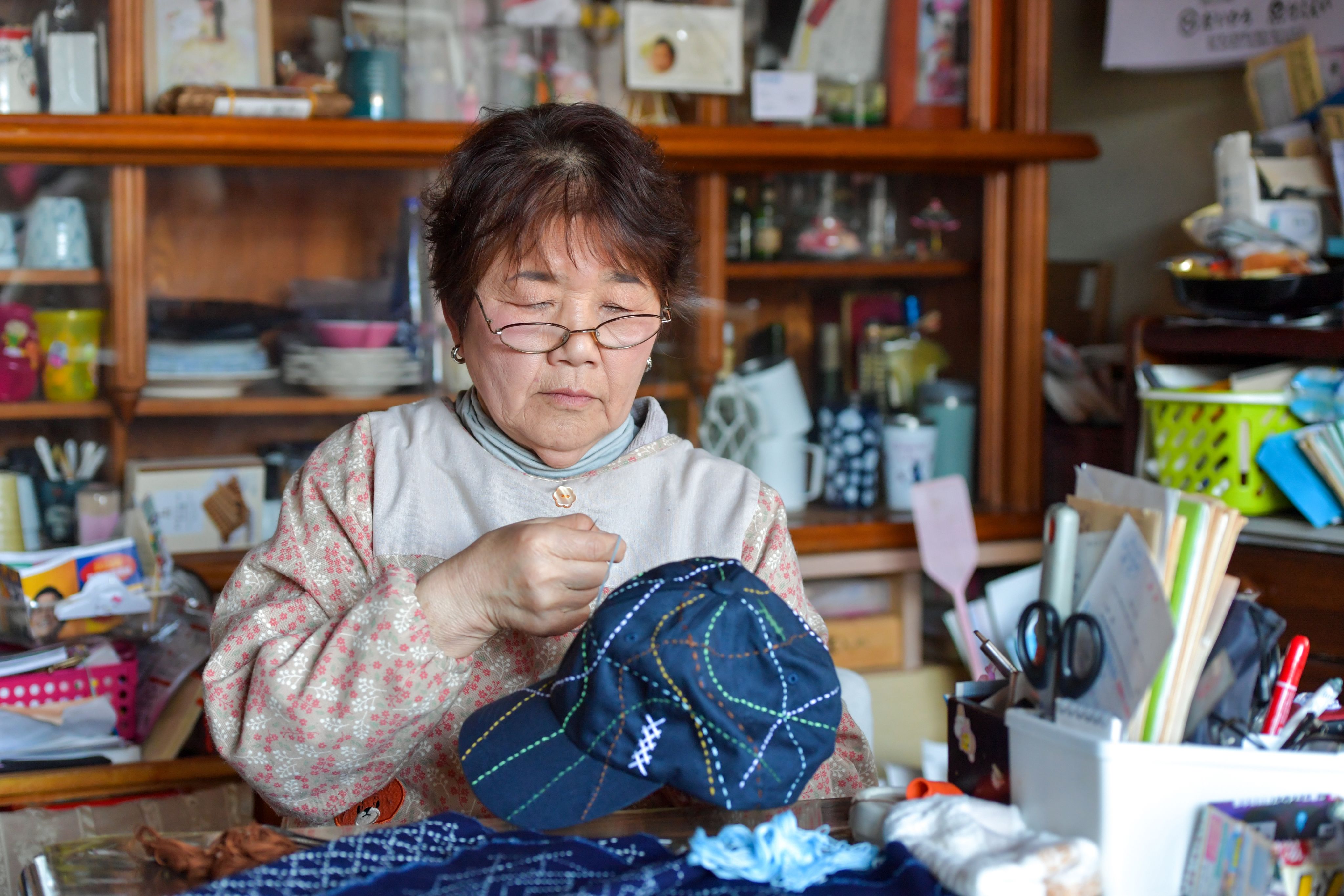

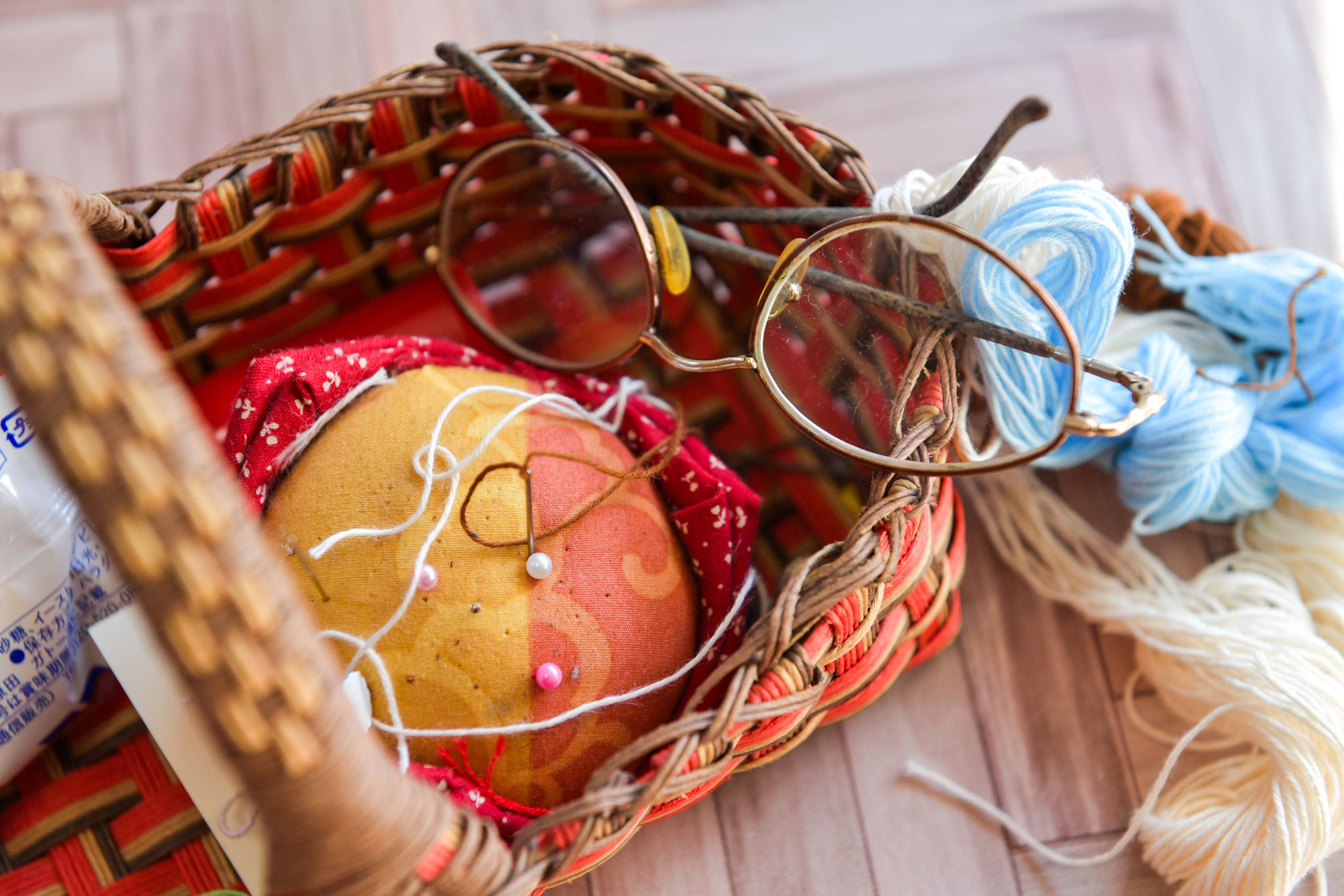

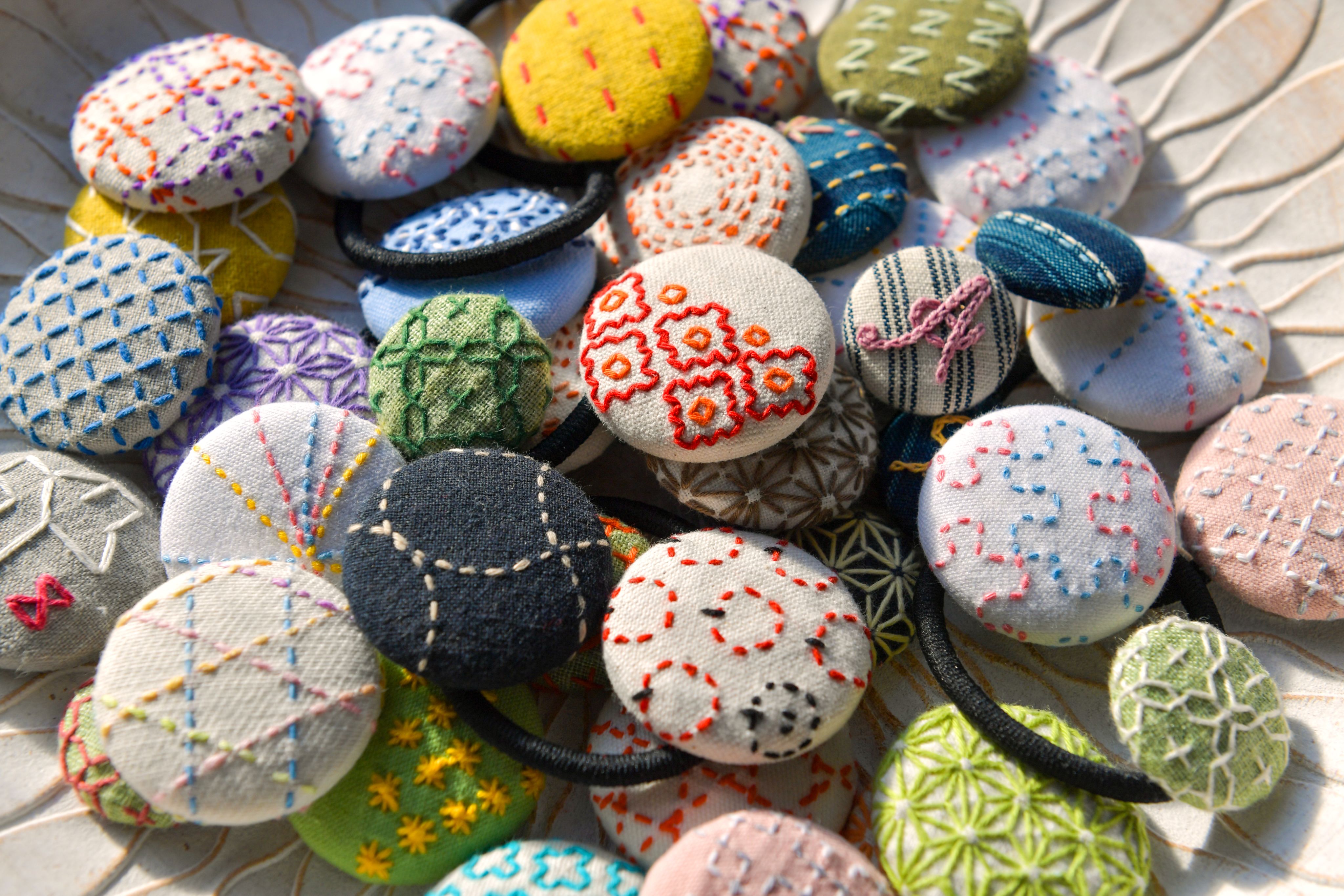

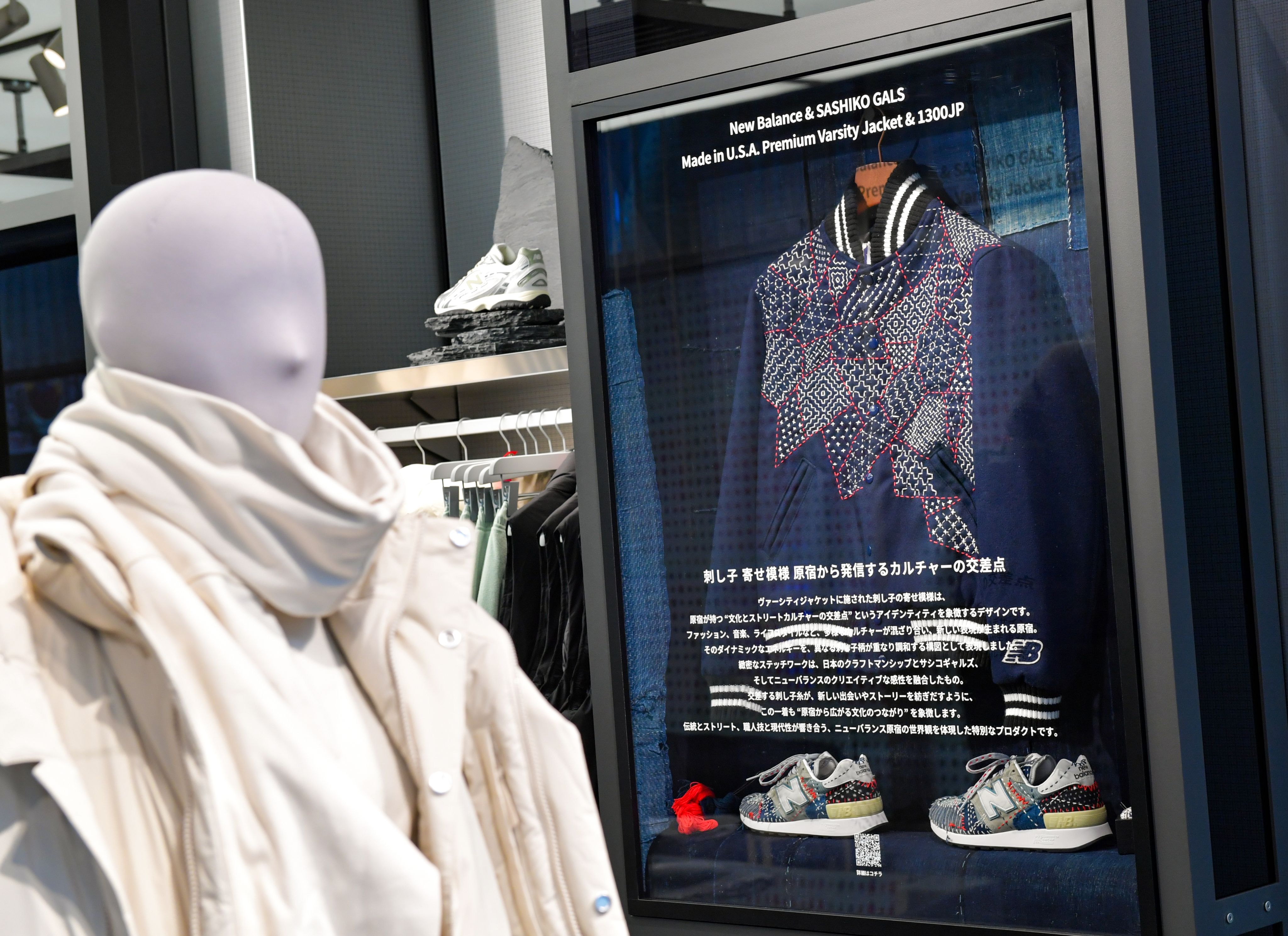


The Otsuchi Sashiko Project was launched just months after the earthquake to offer support to survivors, providing them the chance to earn a little income during a period of economic dislocation for many.
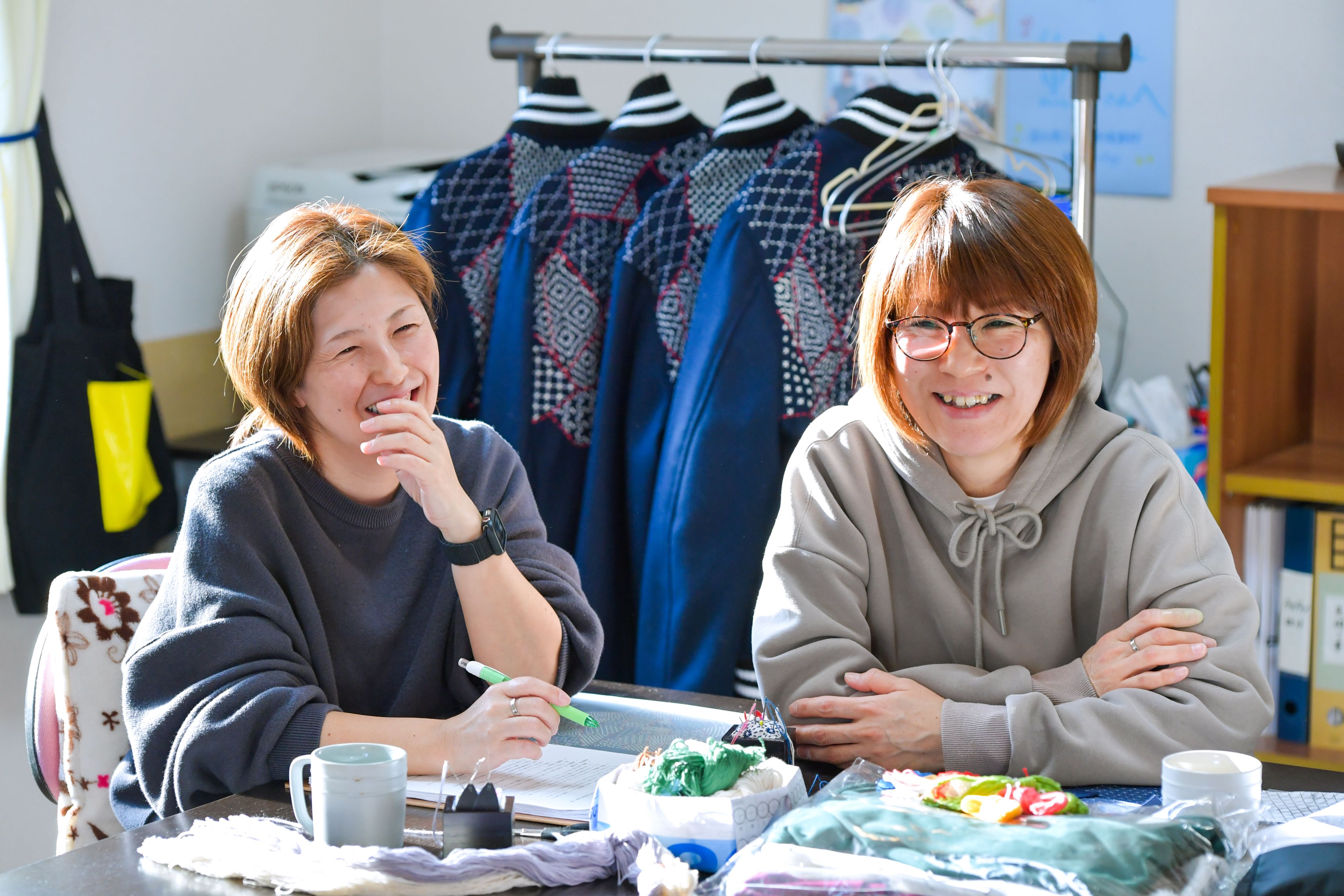
Kanako Sasaki (R) and Kaori Kurosawa, staff and artisans of Sashiko Gals, speak in an interview on Feb. 2, 2026, in Otsuchi, Iwate Prefecture, in northeastern Japan.
Kanako Sasaki (R) and Kaori Kurosawa, staff and artisans of Sashiko Gals, speak in an interview on Feb. 2, 2026, in Otsuchi, Iwate Prefecture, in northeastern Japan.
A piece of Sashiko sewn on a tablecloth, for instance, would bring in 500 yen ($3). "It was a small amount, but I was grateful at the time," recalled Kanako Sasaki, 48, who lost her part-time seafood-processing job after the disaster.
But the help was more emotional than financial, with many survivors of the disaster suffering long-term psychological effects including post-traumatic stress disorder and depression. Consultations at mental health care centers in the region still stand at about 70 percent of the peak a decade ago, indicating sustained demand for support.

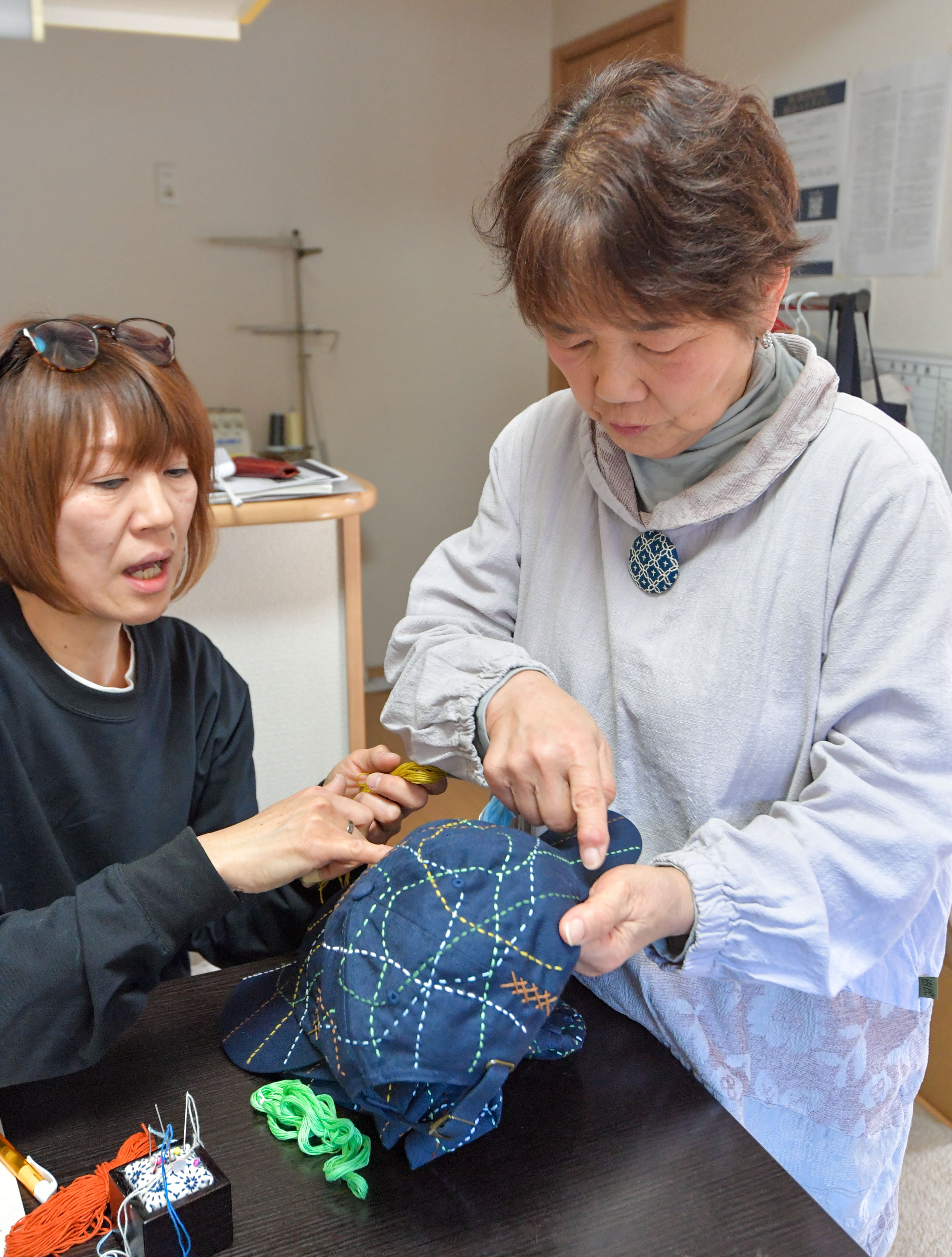
"In the tense days immediately after the disaster, Sashiko gave me time for myself and helped me relax," Sasaki said.
Kaori Kurosawa, 48, who was introduced to the activity by Sasaki, said while she needed to earn money after losing her job, "I was afraid to go out because minor earthquakes still occurred, so doing Sashiko in my house calmed me down."
Osawa expressed similar sentiments.
"I appreciate Sashiko because I can recenter myself while I'm sewing. I would have been depressed even more without it," she said.
A decade and a half after the project started, the impact of the women's work has spread far beyond the confines of their town and brought them hope for a sustainable living.
In the early years, sympathy for victims of the disaster led to some opportunities to sell their work online and elsewhere in Japan.

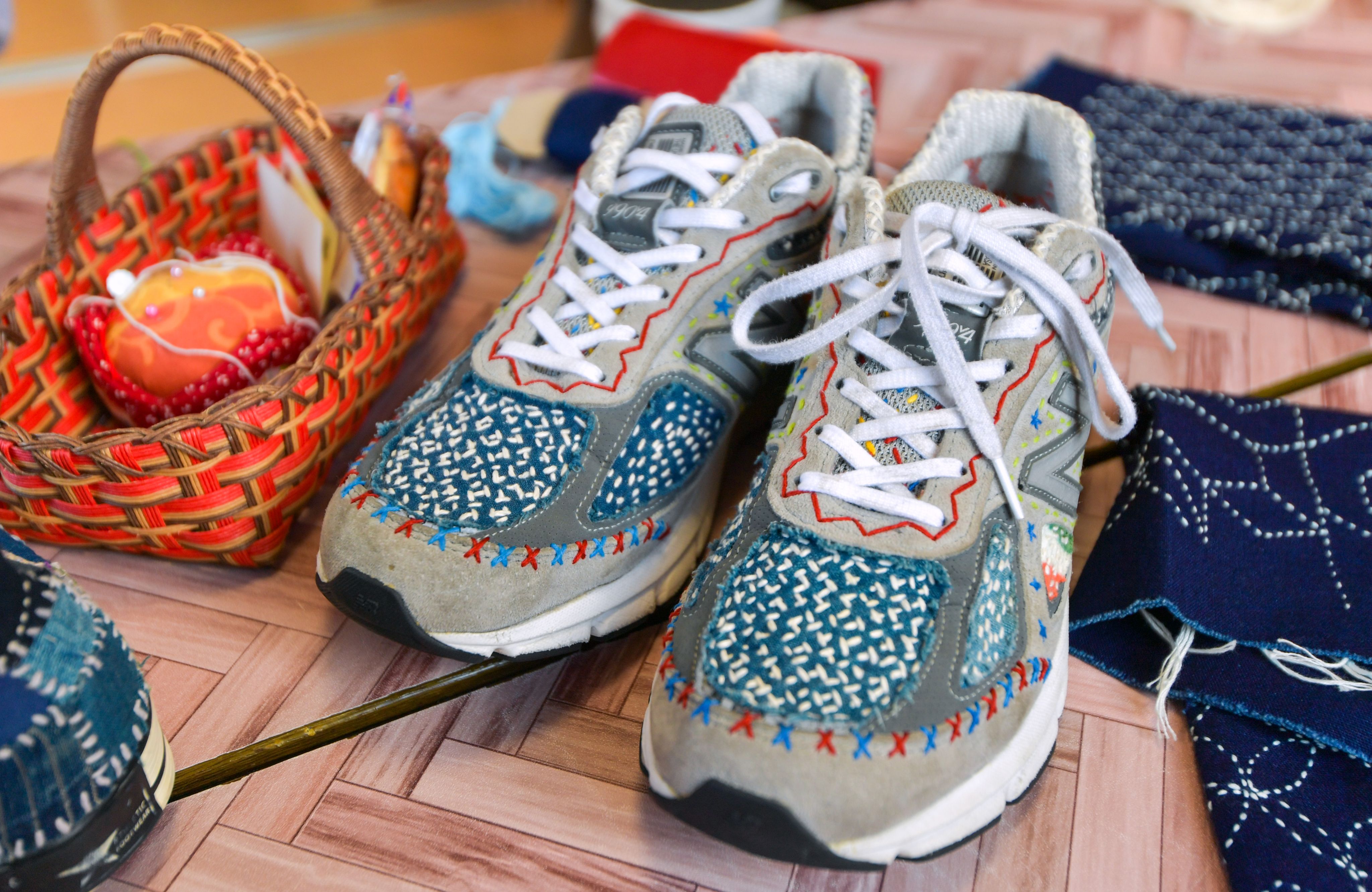
But in 2024, Kuon, a Tokyo-based clothing brand operated by Moonshot Co., approached them with an initiative that in time would help them gain international exposure.
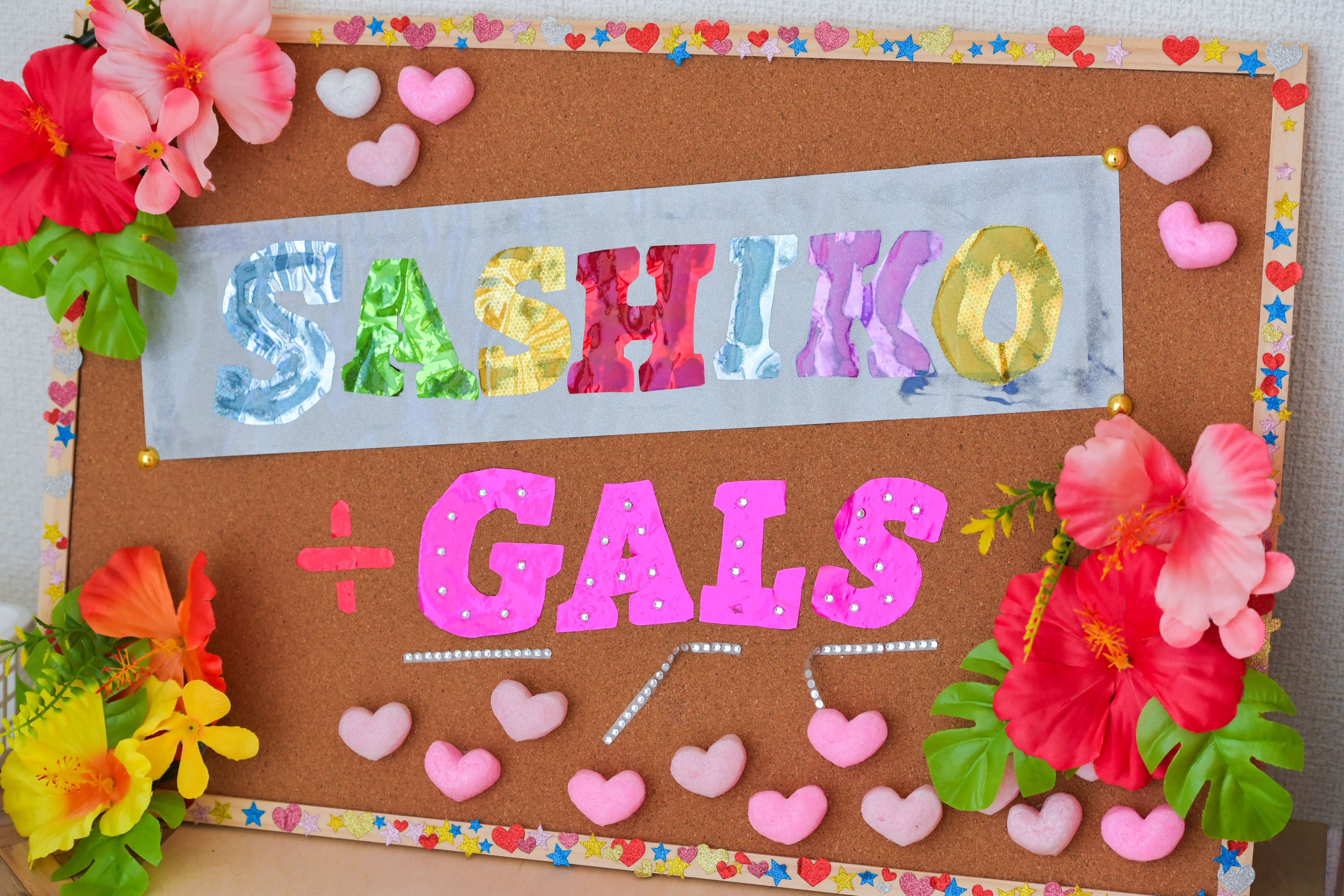
Stepping in at a time when their domestic sales were beginning to falter as nationwide sympathy for the disaster victims receded, it rebranded the group as the "Sashiko Gals," collaborated with them on some items, and steered them towards new business opportunities.
International brands began to take notice, with U.S.-based footwear and apparel maker New Balance and outdoor recreation products company The North Face inviting them to contribute on some special items.
Even pop superstar Justin Timberlake received a pair of custom-made Sashiko sneakers as a birthday gift in 2025, according to the group, after a representative of the Grammy-winning American singer contacted them with a request.


Supplied photo shows American pop superstar Justin Timberlake wearing Sashiko-decorated sneakers at his "Forget Tomorrow" World Tour Rehearsals in Denver, Colorado, on Jan. 28, 2025. (Photo by Mark "La Shark" Nguyen)(Photo courtesy of Moonshot Co.)
Supplied photo shows American pop superstar Justin Timberlake wearing Sashiko-decorated sneakers at his "Forget Tomorrow" World Tour Rehearsals in Denver, Colorado, on Jan. 28, 2025. (Photo by Mark "La Shark" Nguyen)(Photo courtesy of Moonshot Co.)
"I was super surprised when I was asked to do Sashiko on sneakers. I did it in my own shoes, too. I appreciate Kuon for bringing us new ideas," said Tomiko Goto, 78.

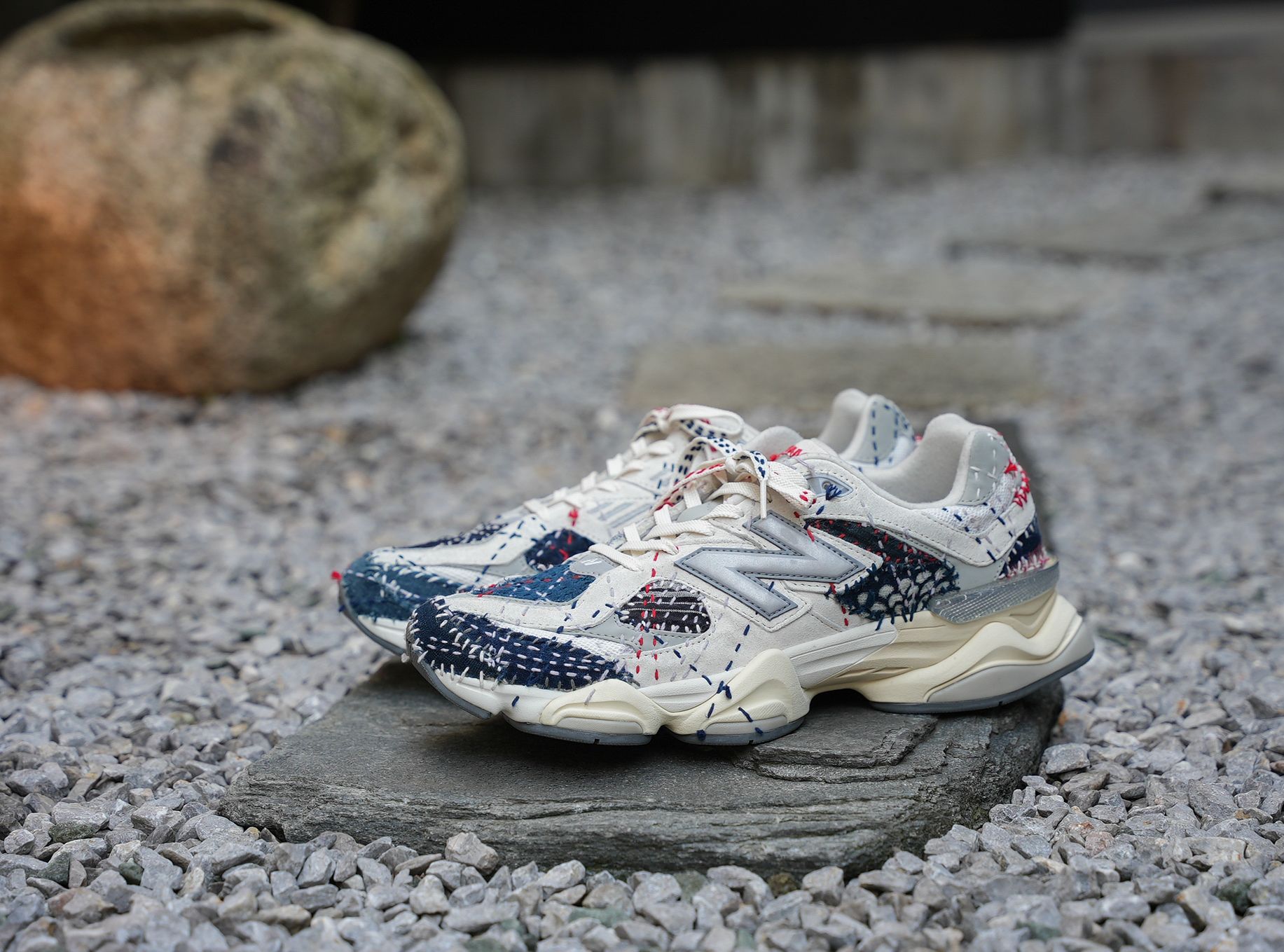
Supplied photo taken on Jan. 25, 2025, at Kuon flagship store in Jingumae, Shibuya Ward in Tokyo shows a pair of sneakers that was gifted to American pop superstar Justin Timberlake in 2025. (Photo courtesy of Moonshot Co.)
Supplied photo taken on Jan. 25, 2025, at Kuon flagship store in Jingumae, Shibuya Ward in Tokyo shows a pair of sneakers that was gifted to American pop superstar Justin Timberlake in 2025. (Photo courtesy of Moonshot Co.)
In December, a collection of Sashiko-decorated items, created in collaboration with New Balance, was displayed at its flagship store in Tokyo's fashionable Harajuku shopping district, with prices set at 363,000 yen for a pair of sneakers and an American varsity jacket for 990,000 yen. Proceeds will go to fundraising efforts to promote Sashiko.
The Sashiko Gals also hold workshops in other parts of Japan, including at high schools. One of them was held at the Tokyo Marathon Expo, days ahead of the 15th anniversary of the disaster. They explained how their work had emerged out of the quake and the history of Sashiko at an event in which for the first time all participants were foreign nationals.

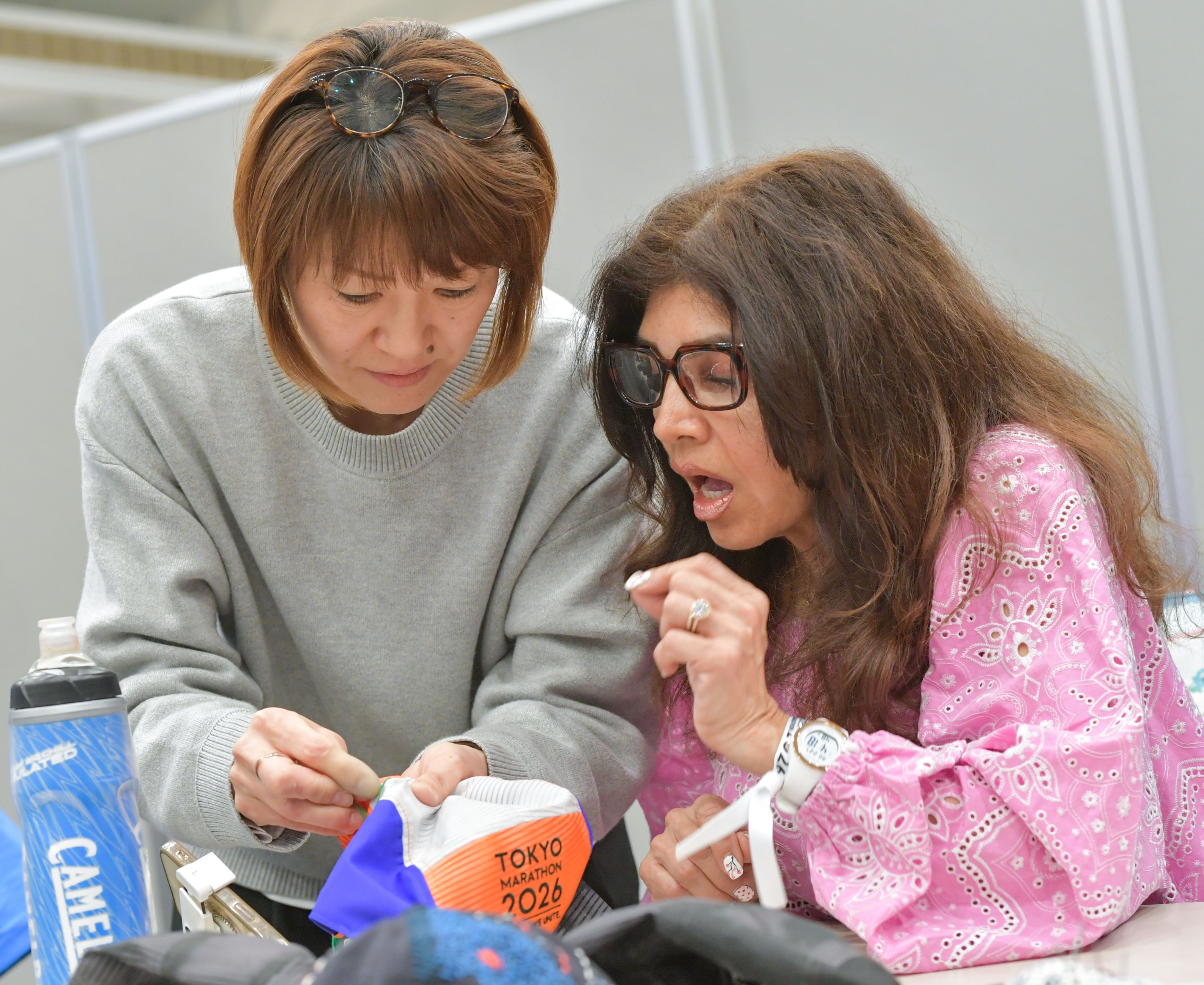
Lupe Gallardo, 64, a marathon participant from Chicago, said learning Sashiko in the workshop was "an absolutely beautiful experience."
"I have a running club that I work with, and I plan to take this back and maybe even do like a little workshop with them...I'm going to teach them about how this started, and the history, and the process," she said.

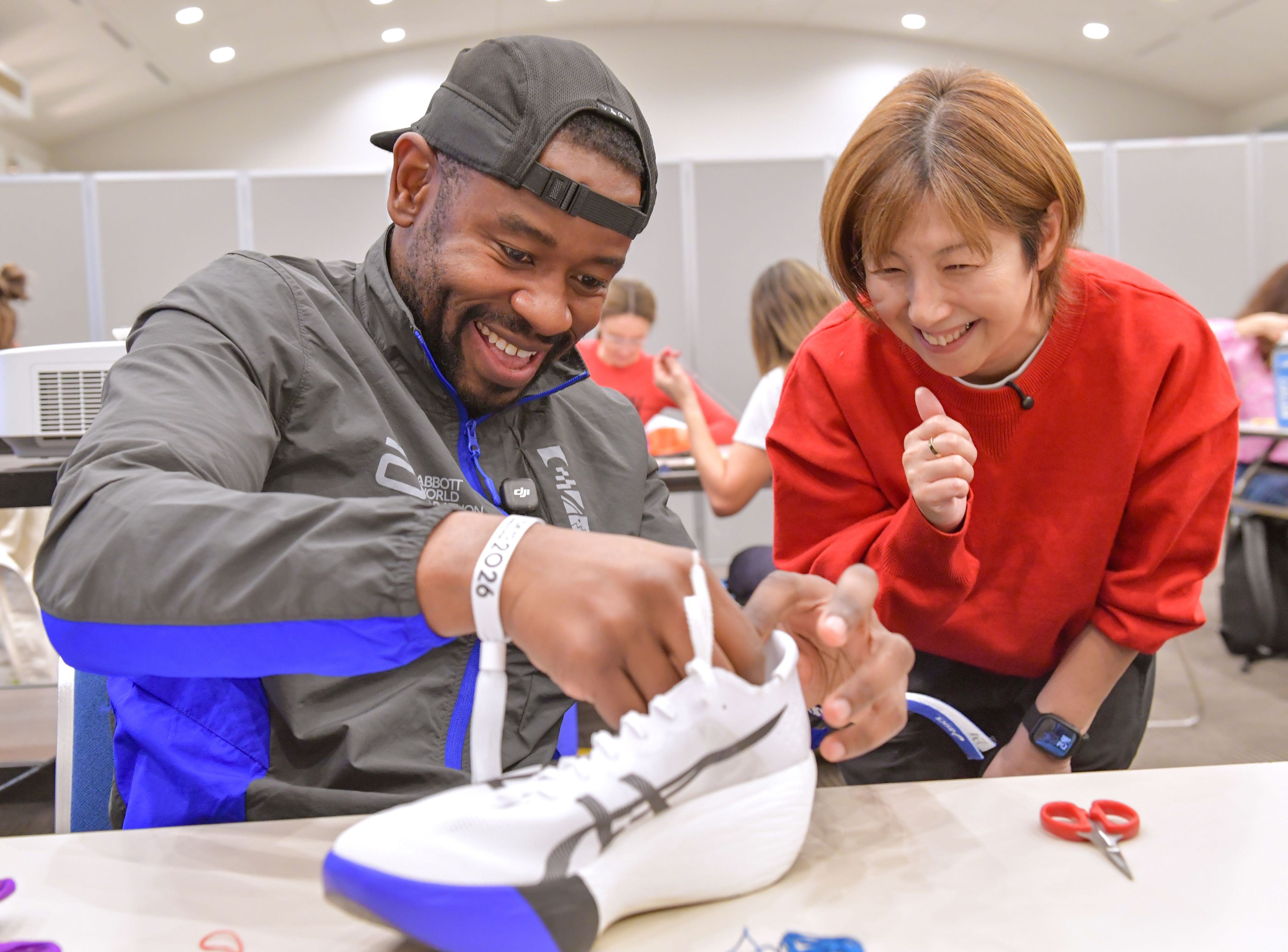
Applying Sashiko to his cap and running shoes, Aubrey Mvula, 41, from Britain, said he was glad to have learned how much background the Sashiko Gals were bringing into today's fashion. "That's actually really good that we had the briefing before to understand where it's coming from."
Sasaki's own goals have shifted over the years.
"At first, my motivation for Sashiko was more financially oriented, but now, I do this to let more people know it," she said. "I want people to know the beauty and joy of Sashiko."
Acknowledging that the Sashiko Gals are made up mostly of older members, she expressed hope that the workshops would help them reach out to younger people, too.
"I hope young people carry on the tradition," she said.

Other Spotlight Japan Stories

Gacha gacha exhibition mirrors growing creativity in capsule toys
As gacha gacha culture looks back on 60 years in Japan, an exhibition in Tokyo celebrates the growing culture and creativity behind the toys confined to capsules.

The way of Sake - Heritage meets innovation in Japan's classic brew
The addition of the traditional knowledge and skills used in sake-brewing to UNESCO's Intangible Cultural Heritage List highlighted a sake industry facing shrinking consumption in Japan, but eyeing growing interest abroad, and possibly beyond.


Foreign tourists showing appetite for Japan's art of food replicas
At a workshop in Tokyo, a dozen or so tourists watched as green and white wax was poured into warm water. As the liquid turned into a sheet, they were then asked to slowly pull it up and roll it, gasping at its transformation into a lettuce.

Japan's neon-decorated trucks dazzle for New Year's disaster relief
An unremarkable riverside near Tokyo was transformed into a neon wonderland on New Year's Eve as enthusiasts gathered to enjoy a showcase of one of Japan's most vibrant subcultures.


The Company uses Google Analytics, an access analysis tool provided by Google. Google Analytics uses cookies to track use of the Service. (Client ID / IP address / Viewing page URL / Referrer / Device type / Operating system / Browser type / Language /Screen resolution) Users can prevent Google Analytics, as used by the Company, from tracking their use of the Service by downloading and installing the Google Analytics opt-out add-on provided by Google, and changing the add-on settings on their browser. (https://tools.google.com/dlpage/gaoptout) For more information about how Google handles collected data: Google Analytics Terms of Service (https://policies.google.com/technologies/cookies?hl=en#types-of-cookies) Google Privacy & Terms(https://policies.google.com/privacy)
© Kyodo News. All Rights Reserved. No reproduction or republication without written permission.
 Built with Shorthand