
Japan's neon-decorated trucks dazzle for New Year's disaster relief
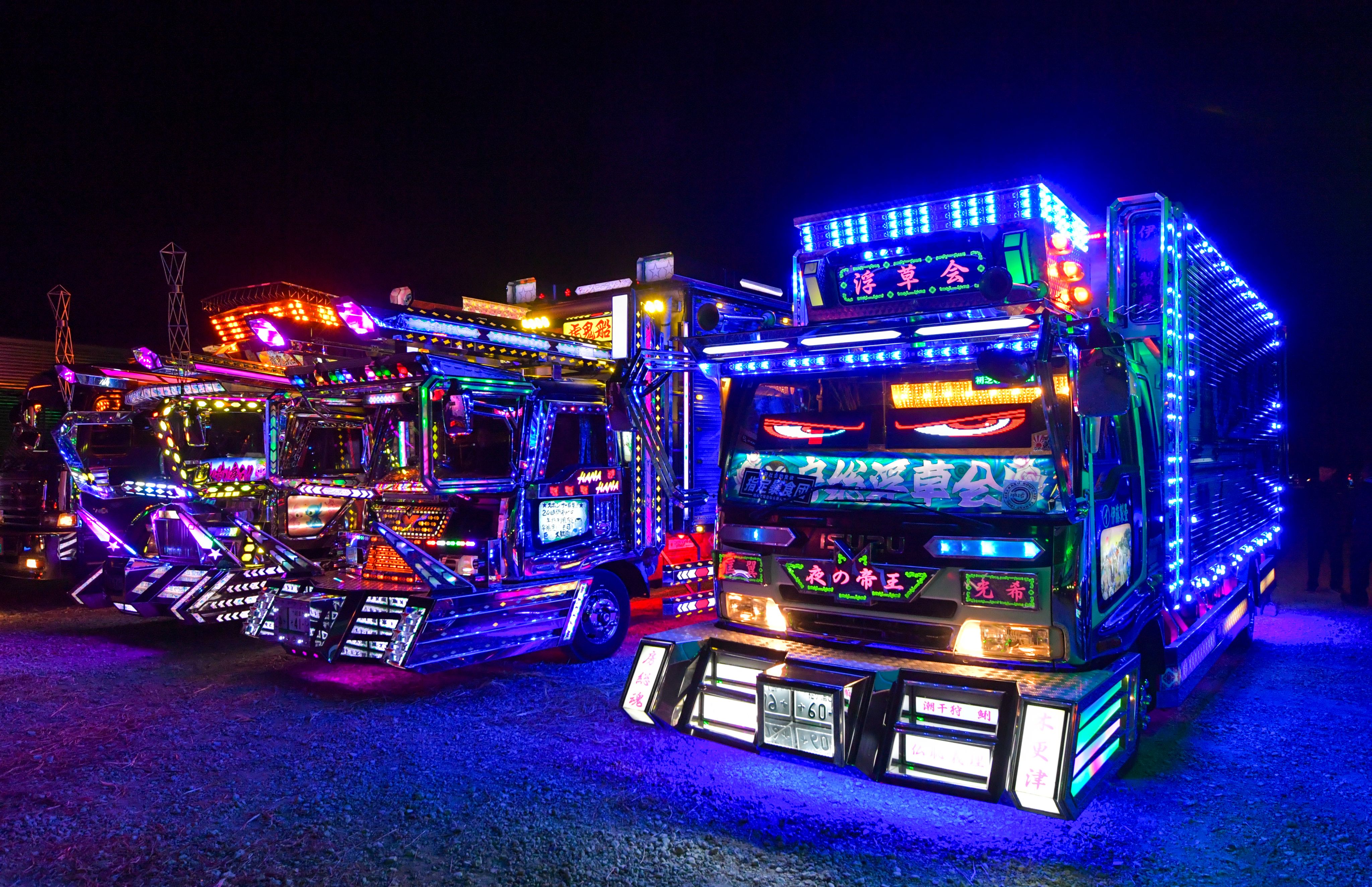

An unremarkable riverside near Tokyo was transformed into a neon wonderland on New Year's Eve as enthusiasts gathered to enjoy a showcase of one of Japan's most vibrant subcultures.

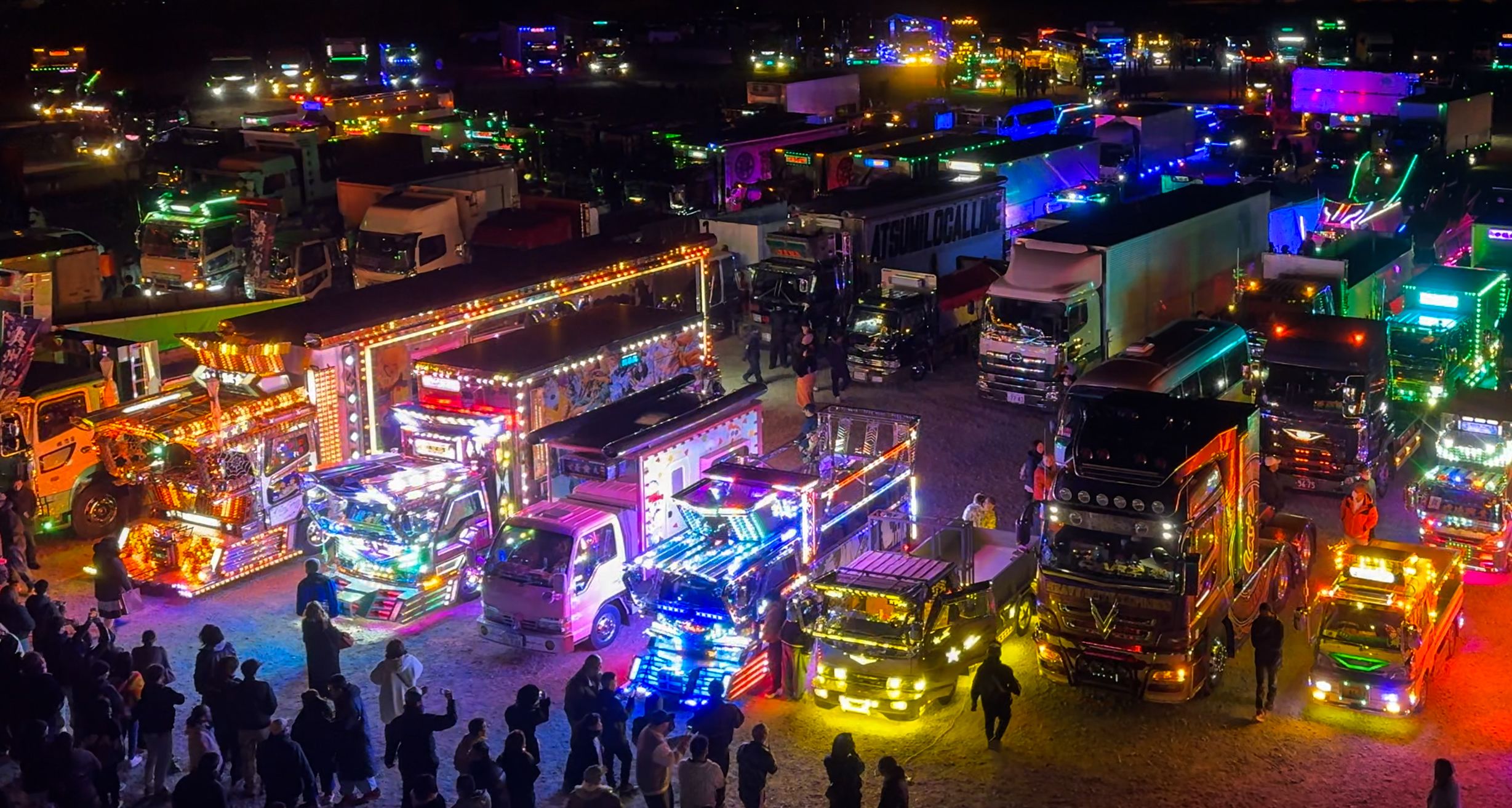
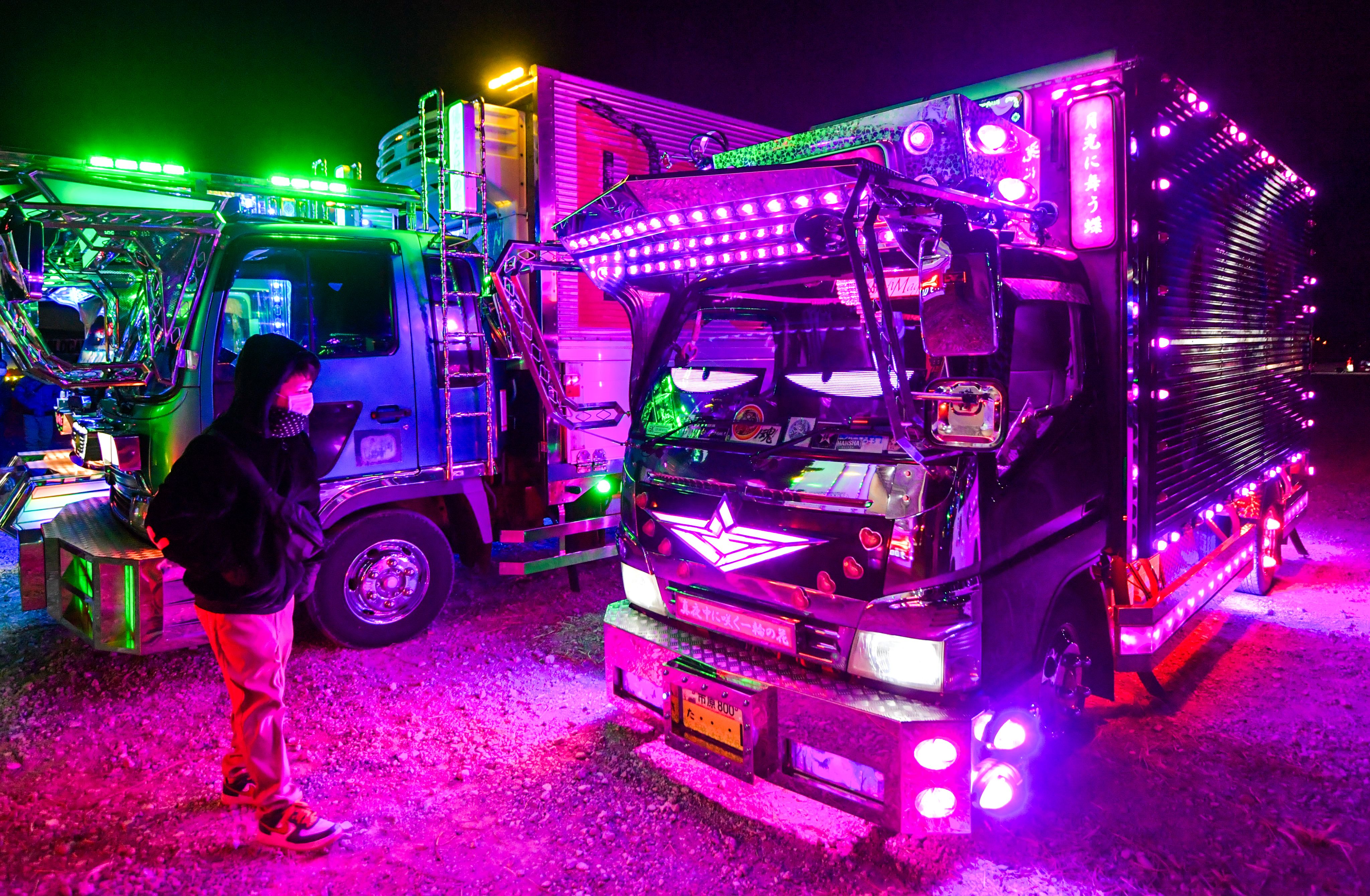
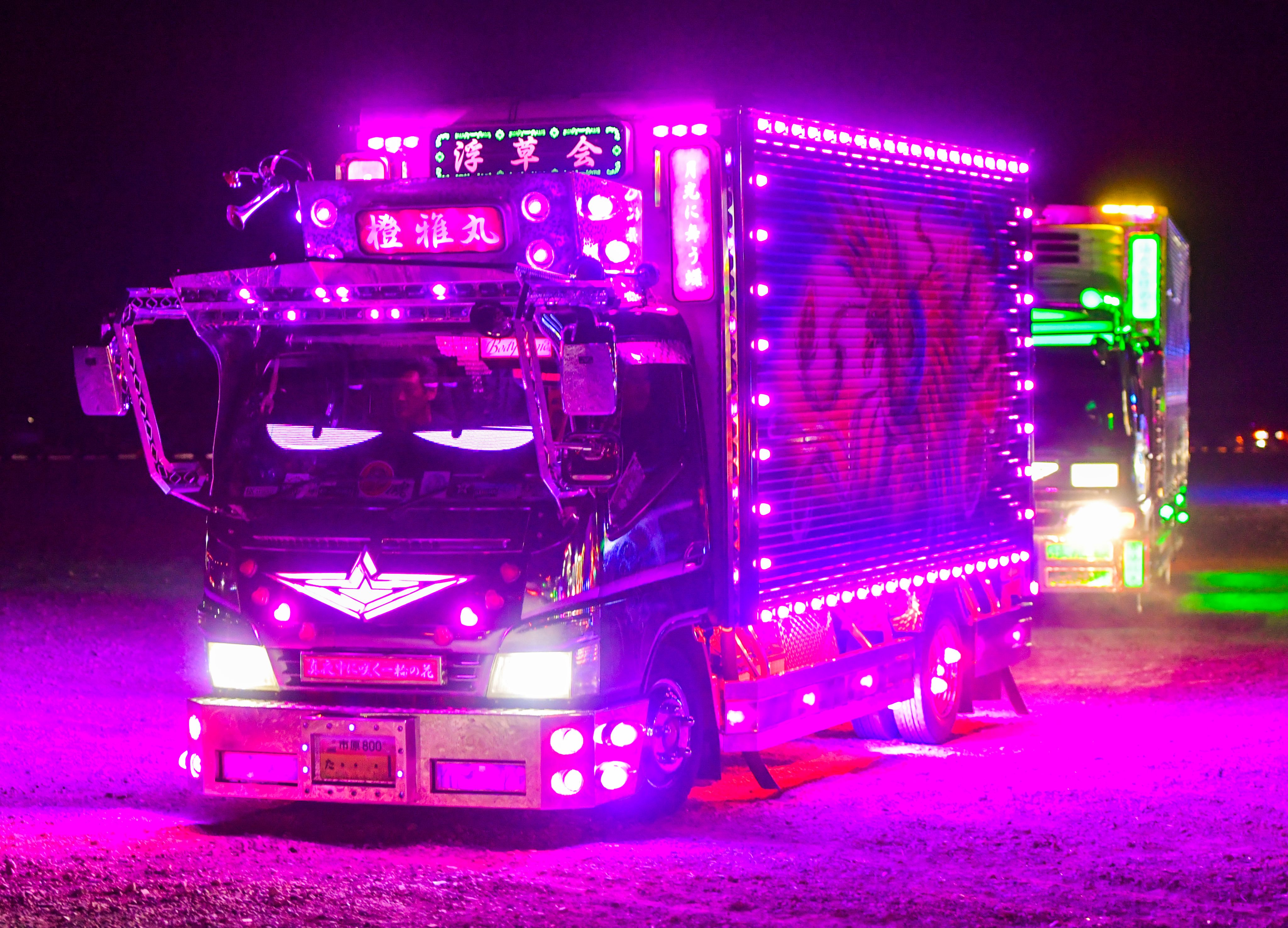
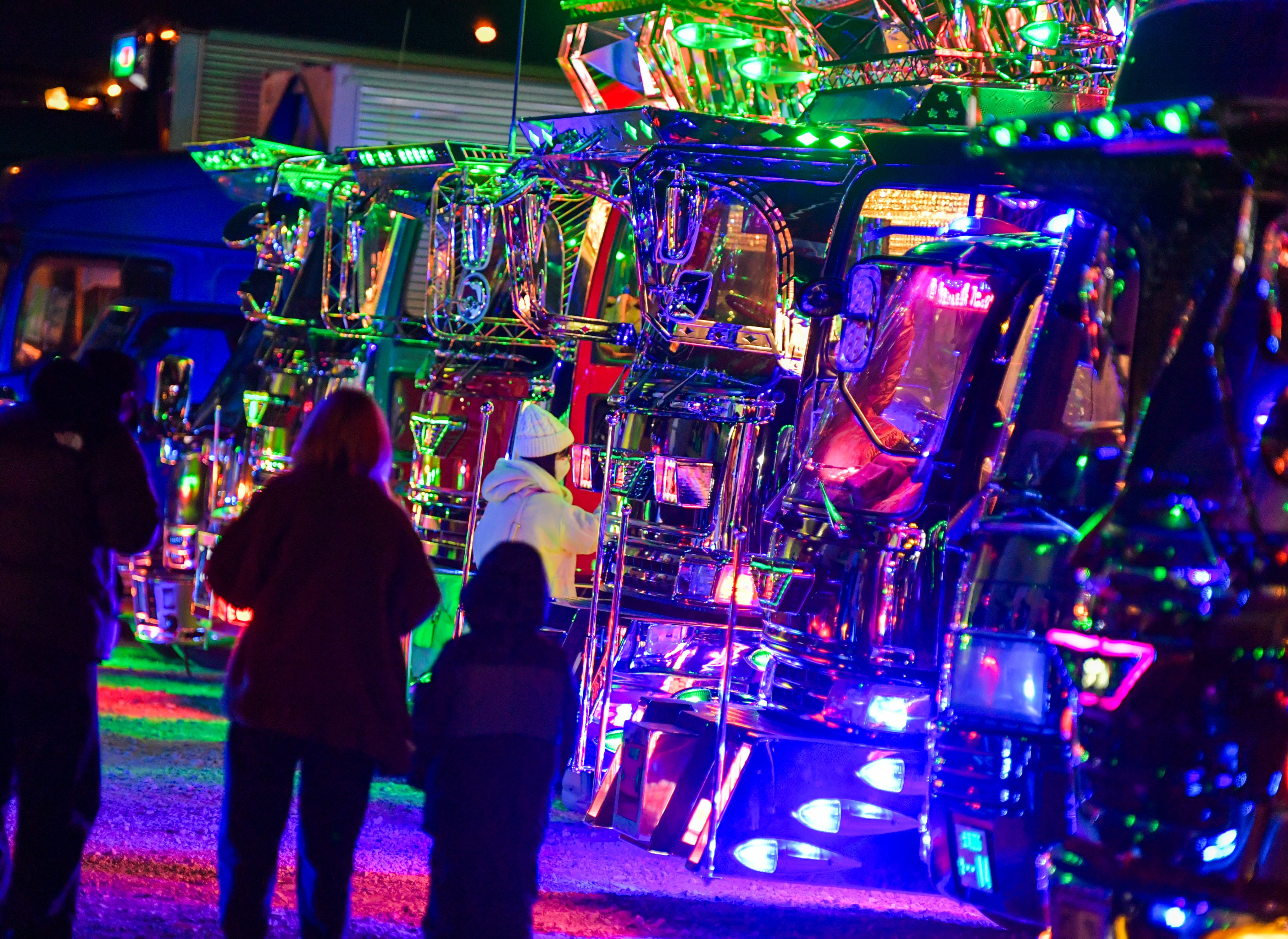
It was the country's largest assembly of decorated trucks, or "dekotora" as they are known in Japanese, which were fully illuminated in all their gaudy glory to the delight of thousands of attendees at a countdown event in Fukaya, Saitama Prefecture.

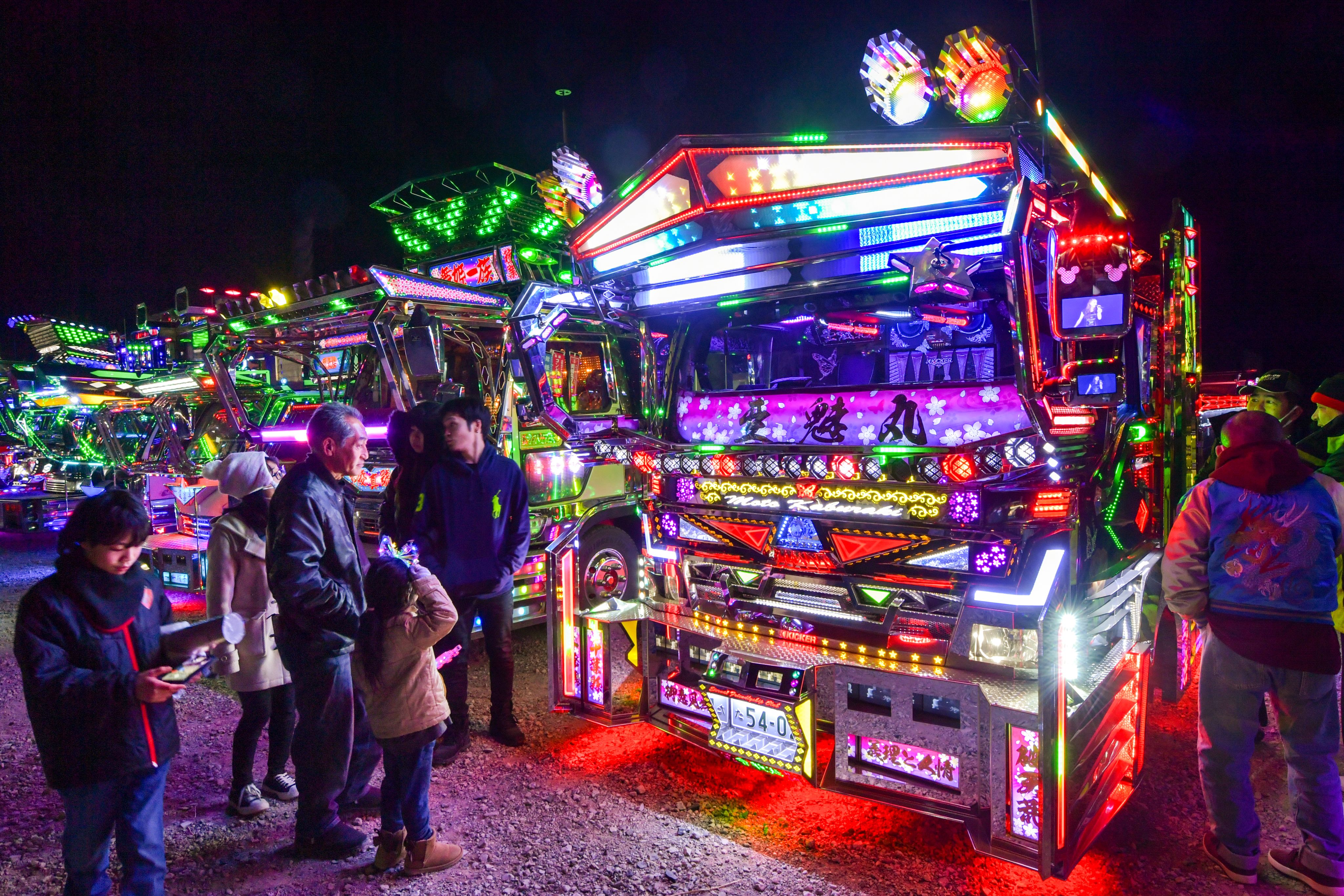
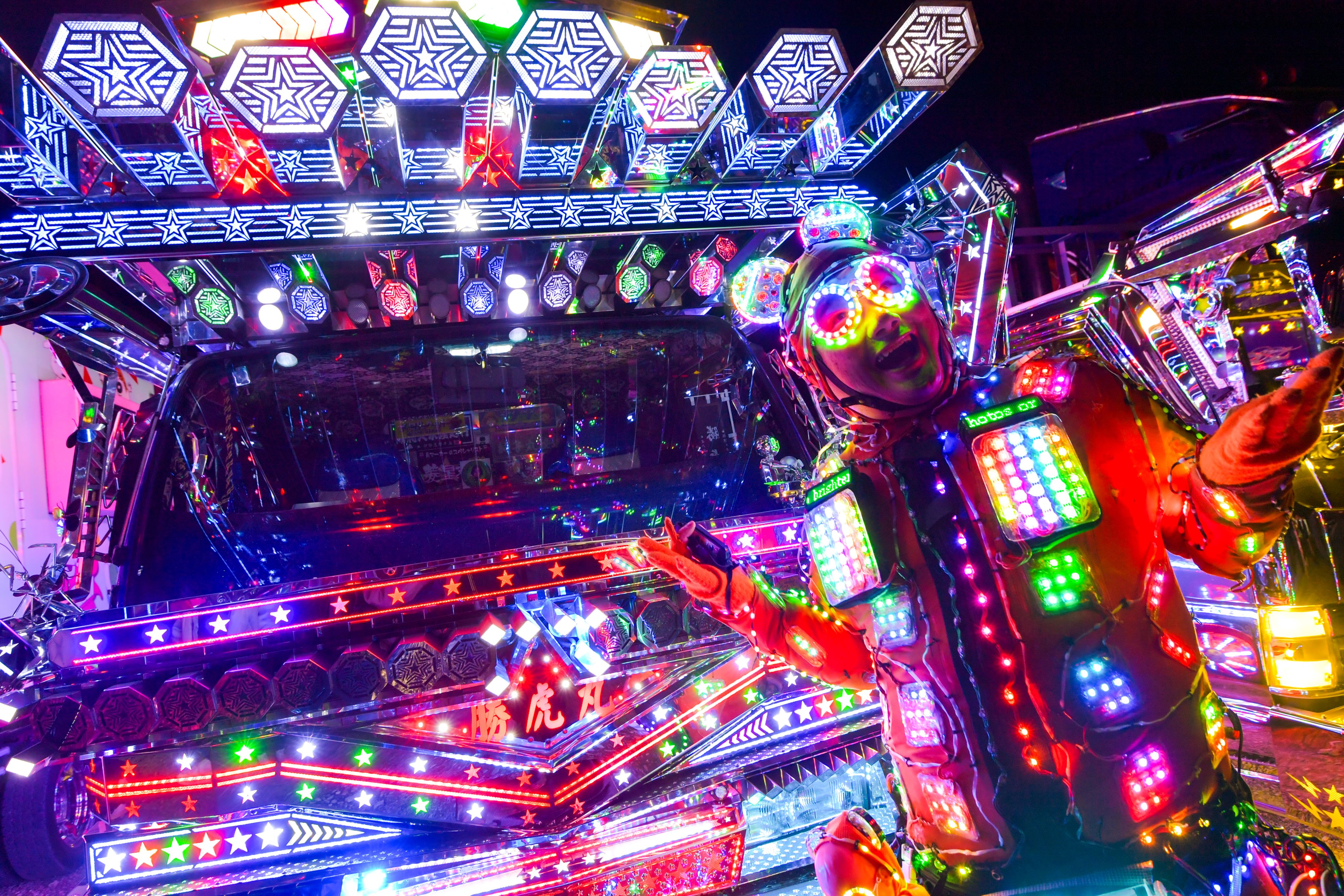
The trucks come in all shapes and sizes and are typically adorned with flashing lights, chrome plating and elaborate art. But drivers have freedom to decorate as they choose, with inspiration ranging from Japanese films to folklore, pop stars and family members.

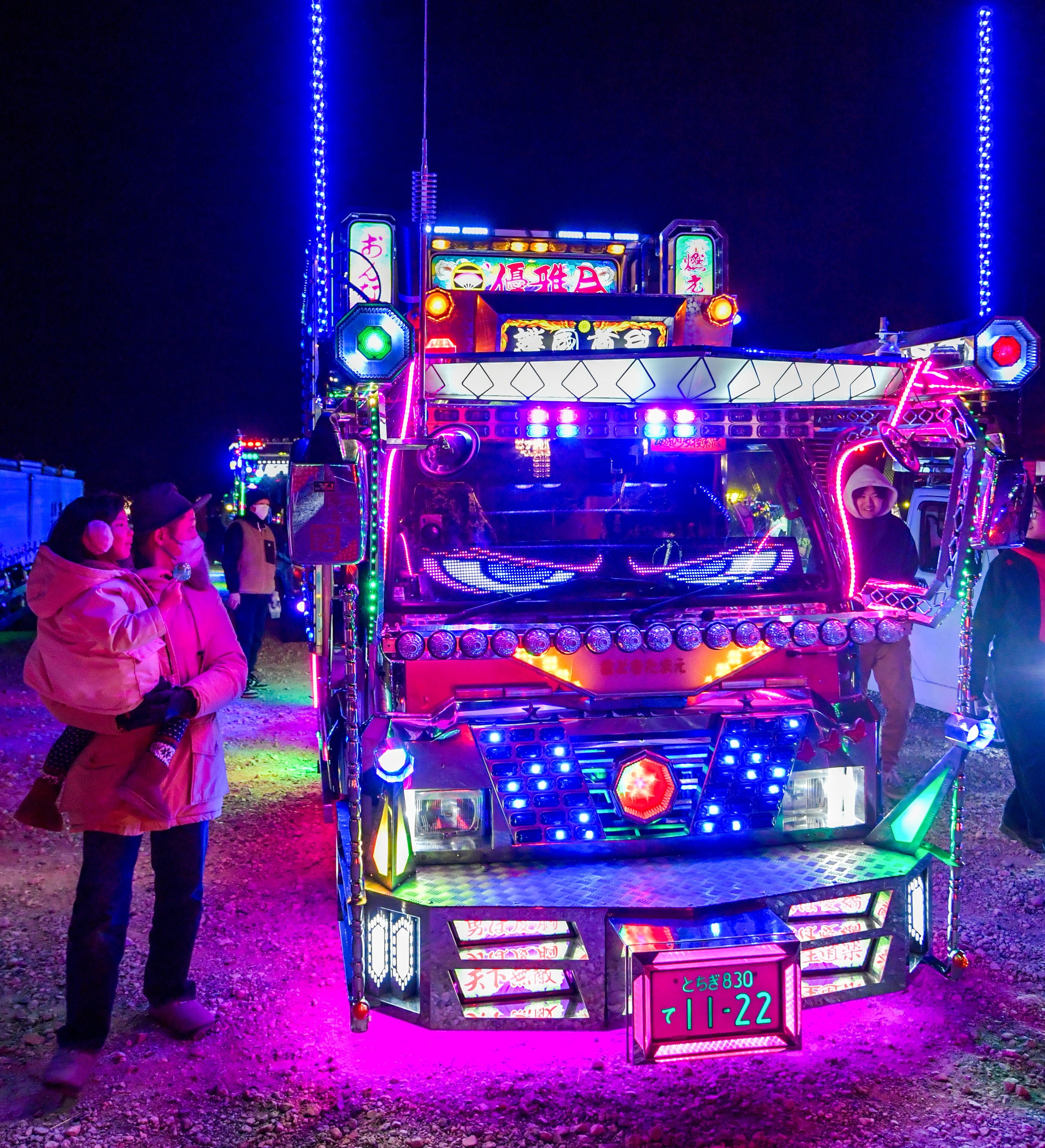
Junichi Tajima, 77, said he entered the world of dekotora because he wanted to "stand out." Involved in the subculture for more than 50 years, he is chairman of Utamarokai, the country's largest and oldest dekotora association.
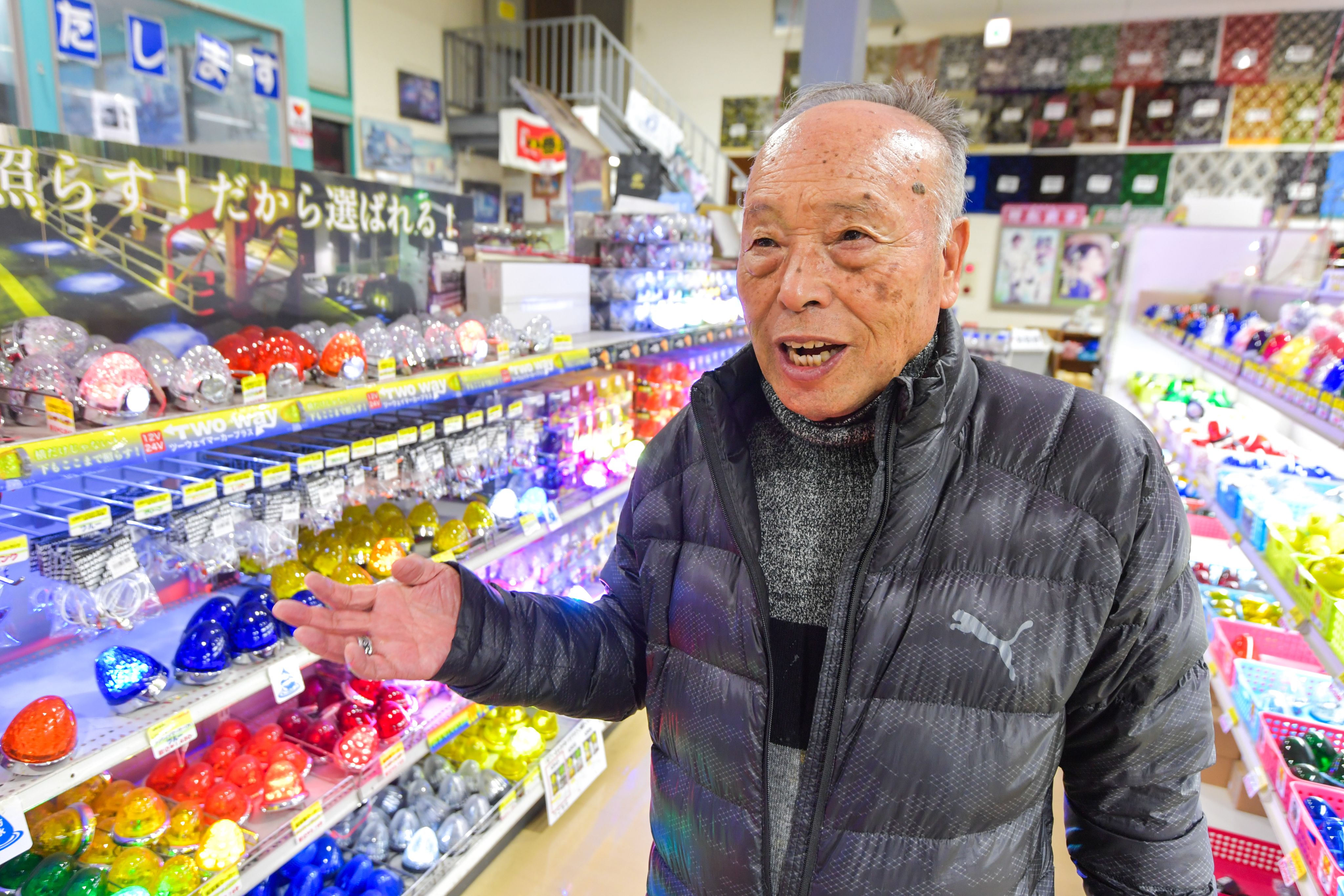
"A person's truck is a representation of themselves, their way of life, and where they are from," said Tajima, who was born in Honjo, a city also in Saitama Prefecture.

The dekotora phenomenon saw a rise in popularity with the hit 1970s film series Torakku Yaro, or "Truck Rascals."

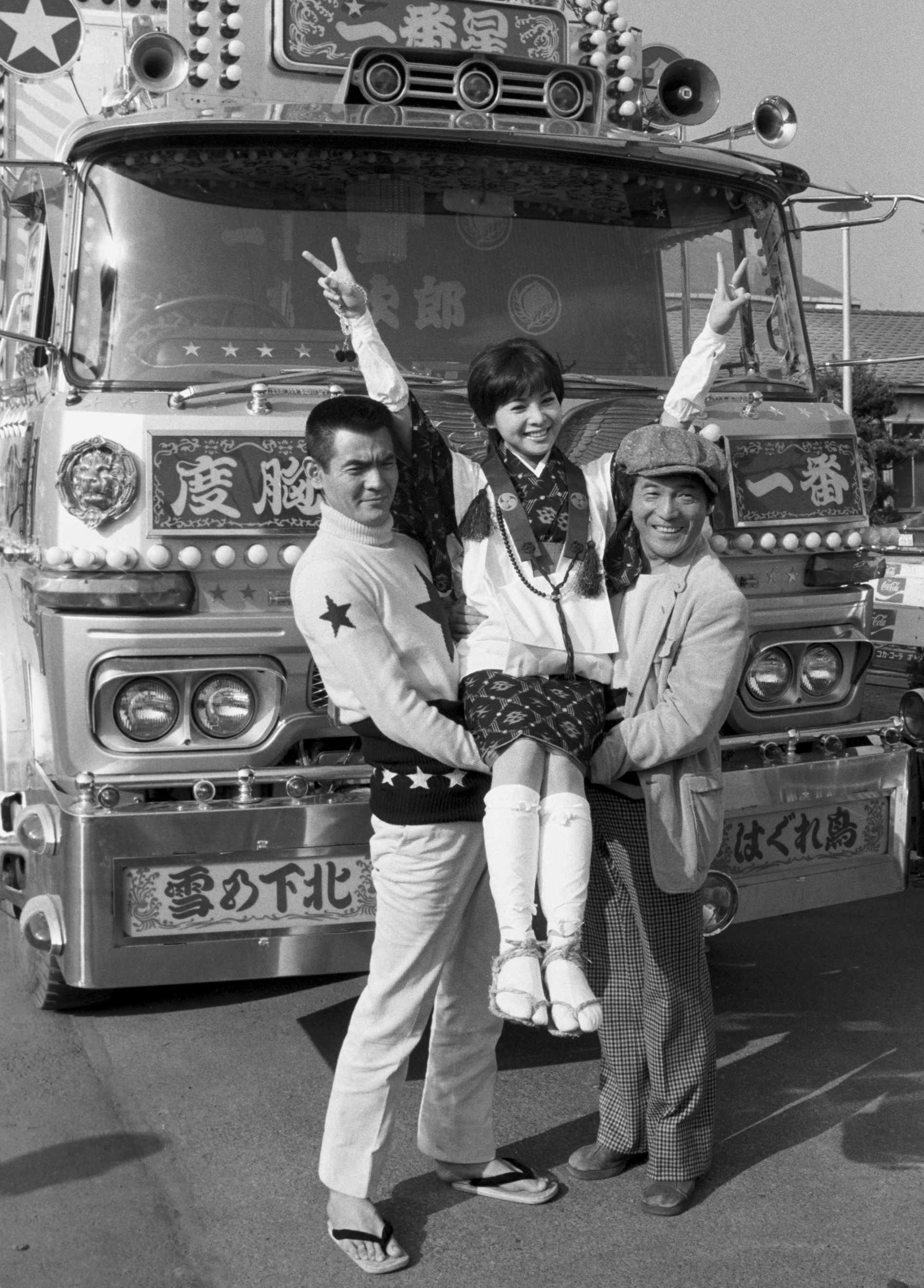
Cast members of the film "Torakku Yaro: Tenka Gomen" pose during a press conference at Toei Tokyo Studios in Tokyo in November 1976. (Kyodo)
Cast members of the film "Torakku Yaro: Tenka Gomen" pose during a press conference at Toei Tokyo Studios in Tokyo in November 1976. (Kyodo)
"I do not really call myself a truck rascal," Tajima said, "But that phrase and dekotora became known through the films."

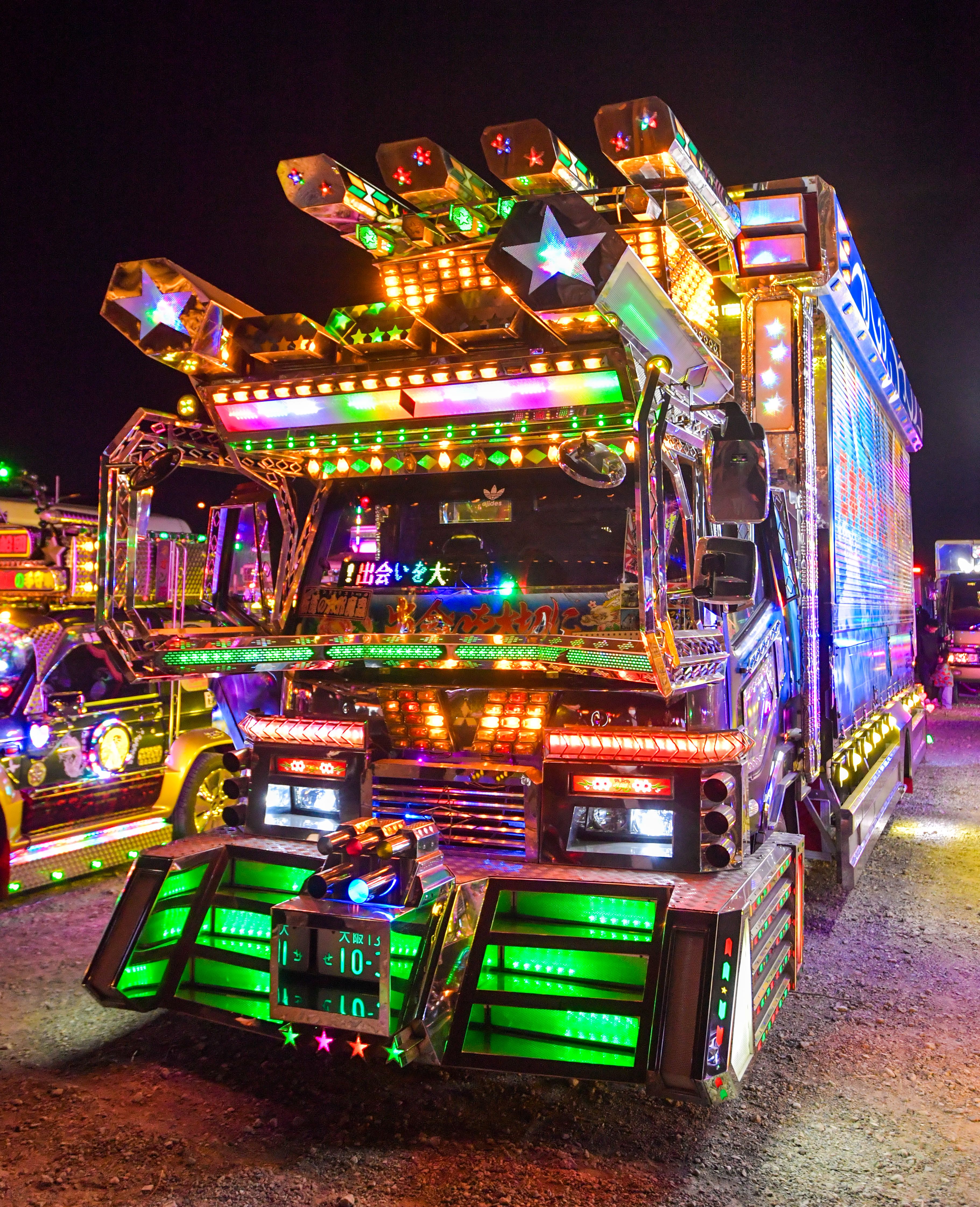

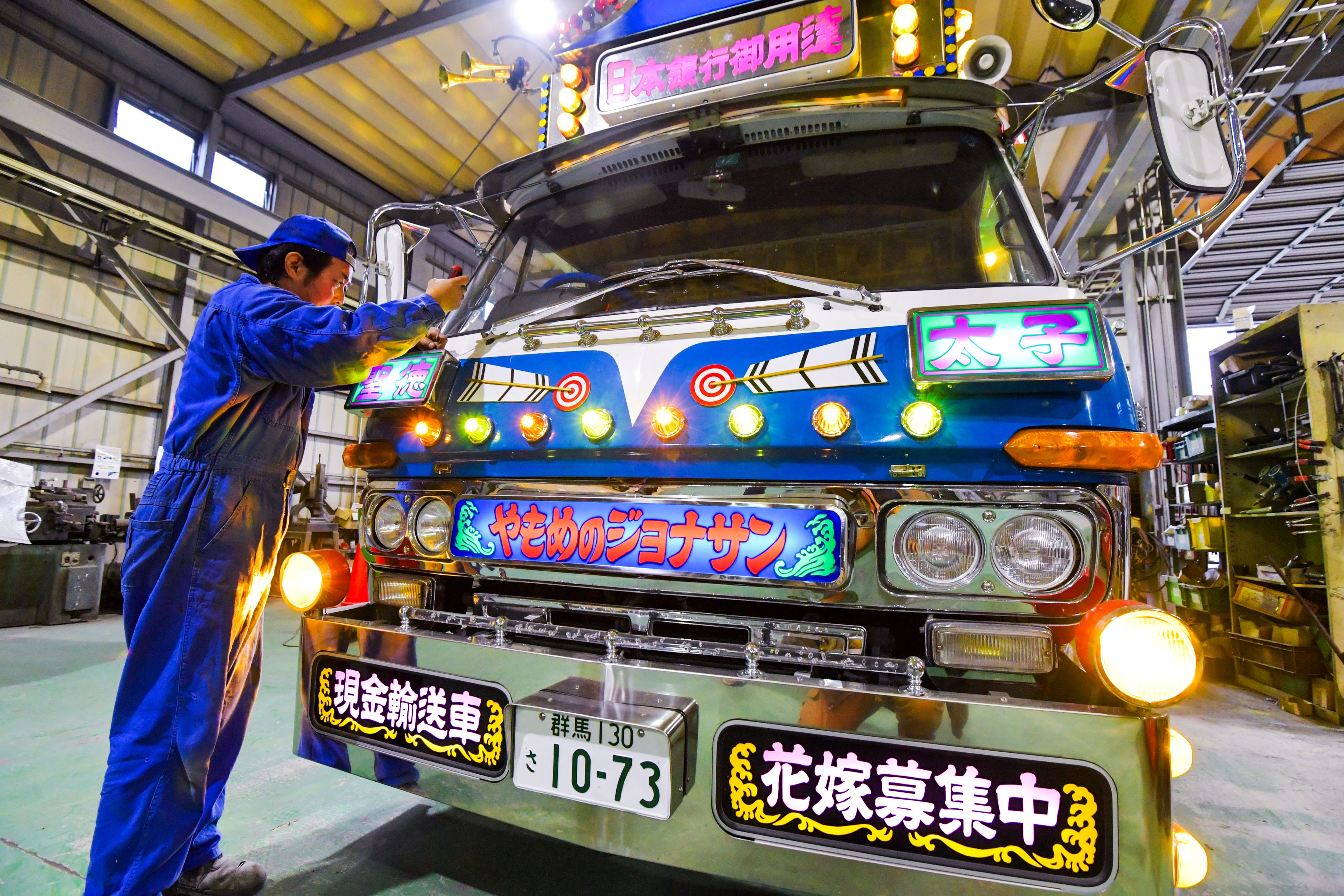

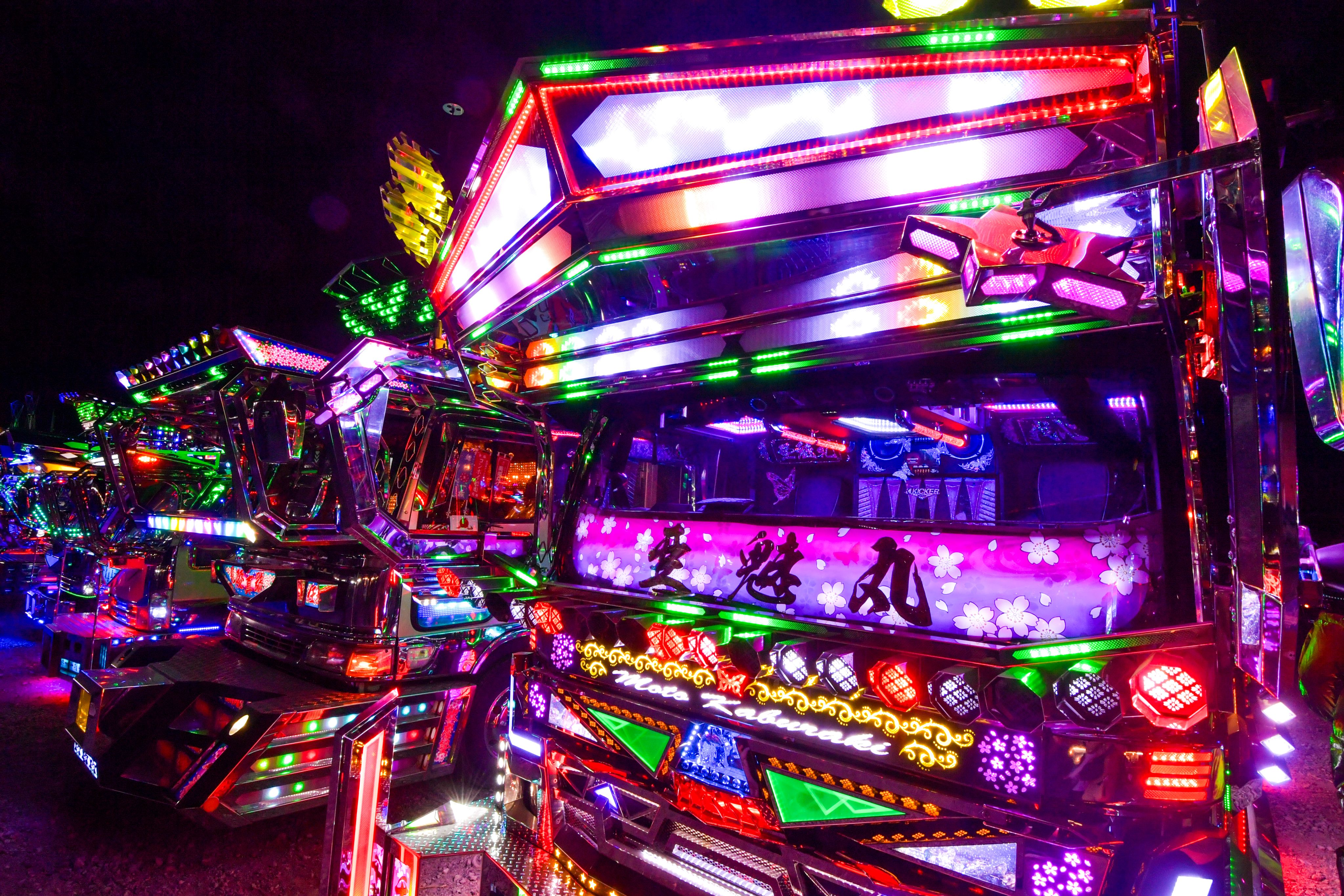

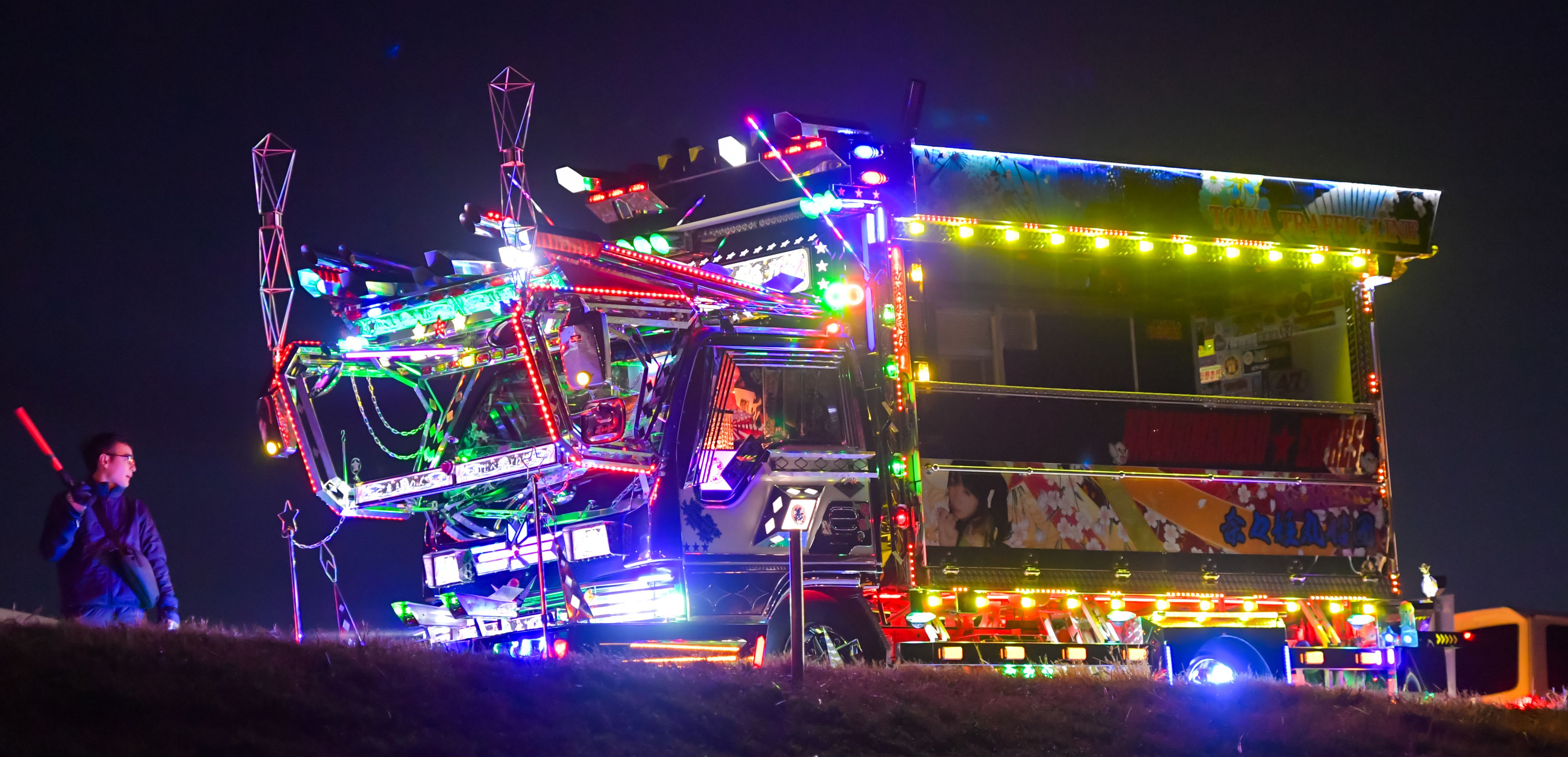
Drivers spend a fortune decorating and customizing their trucks over a period of years. Some are used in a professional capacity, while others are privately owned passion projects.
Although parts can be ordered online, a store in Isesaki in neighboring Gunma Prefecture offers a one-stop shop for all things dekotora.
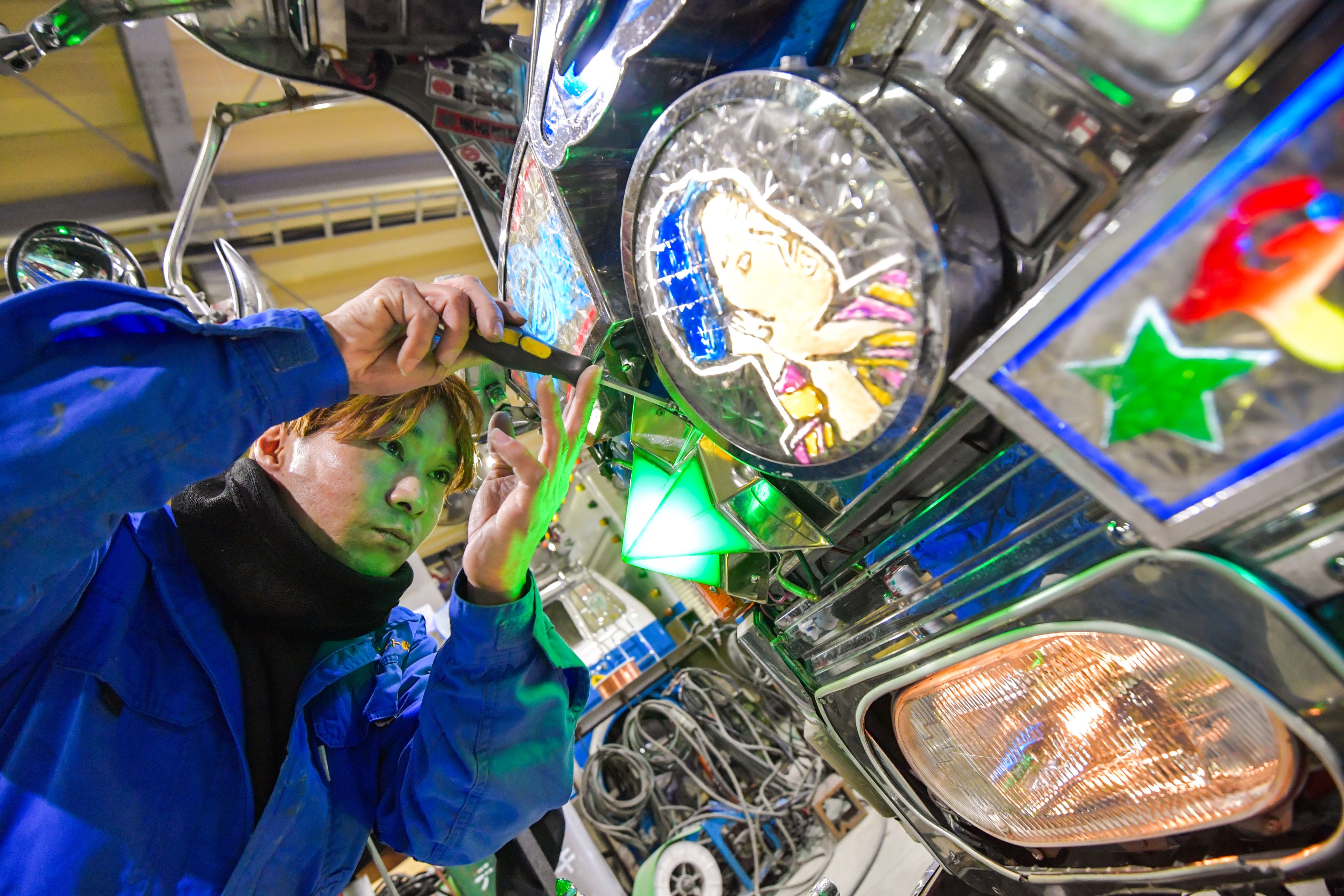
Truck Art Utamaro lets customers peruse aisles stuffed high with LED lights, stylish acrylic gear sticks, decorative steering wheels and truck cab chandeliers.

"There are other parts of the world where they decorate their trucks, but Japanese dekotora are unique," said Yuya Onishi, 42, an employee at the shop. "I want people to see dekotora in person at least once, in the same way people say you should climb Mt. Fuji once in your lifetime."
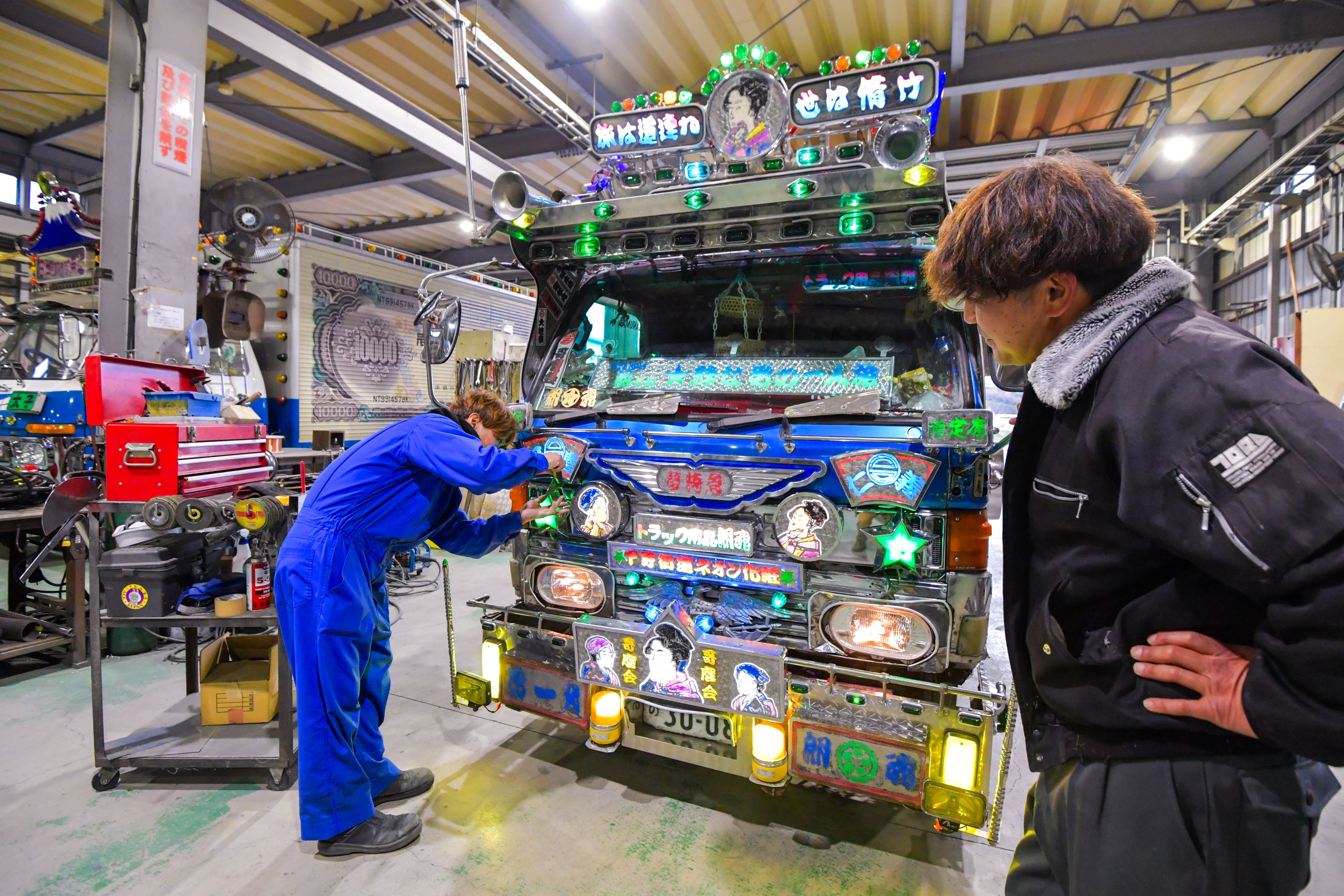
Onishi said the shop not only sells dekotora goods but also custom-made parts. The business has also recently been shipping parts overseas to places such as Indonesia, the Philippines, Singapore and Hong Kong.
However, at home, dekotora have been on the decline.
At its peak, Utamarokai had around 3,000 members, "Now, there are about 500," Tajima said.

Although Japan's aging and shrinking population is a factor, "It is the restrictions that are the worst," Tajima said, explaining that fewer delivery companies are now willing to have the flashy vehicles represent them on the roads.

"It is very characteristic of the Japanese," Tajima said. "Things that stand out tend to become targeted by society."
Groups like Utamarokai have become known for using their high-visibility antics to raise money for charity through the holding of large events.
"At first, I did it just for me, but as I grew older, I wondered whether there was anything beneficial I could do with dekotora, like volunteer work," Tajima said.


The association regularly takes part in disaster relief efforts and has traveled to hard-hit zones like the Noto Peninsula in central Japan after it experienced a devastating earthquake on Jan. 1, 2024, as well as areas impacted by the 2011 Great East Japan Earthquake.

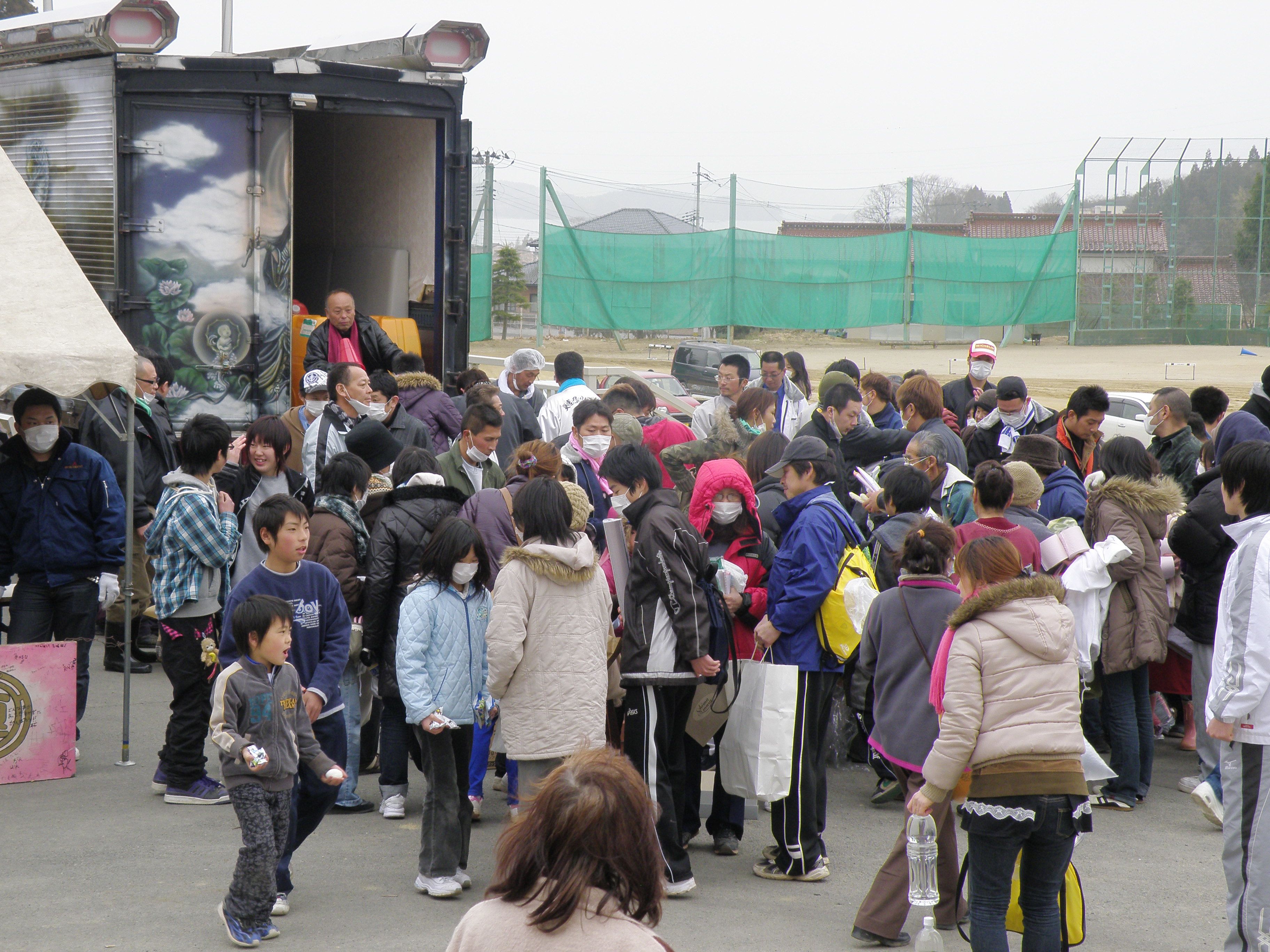
Members of Japanese decorated truck association Utamarokai hand out relief supplies at an evacuation center in Kesennuma, Miyagi Prefecture, on March 20, 2011, nine days after a powerful earthquake and tsunami hit the region. (Photo courtesy of Utamarokai)
Members of Japanese decorated truck association Utamarokai hand out relief supplies at an evacuation center in Kesennuma, Miyagi Prefecture, on March 20, 2011, nine days after a powerful earthquake and tsunami hit the region. (Photo courtesy of Utamarokai)
Utamarokai holds three large-scale charity events each year, including the New Year's Eve gathering that features live performances and food stalls.
About 650 dekotora gathered in Fukaya on Dec. 31 and attracted around 10,000 visitors. Approximately 100,000 yen ($630) was donated to Fukaya municipal authorities while more was fundraised for Noto volunteer efforts, organizers said.
Dekotora driver Muneyuki Nakazaki himself was touched by the 2011 disaster when his family home in Ibaraki Prefecture, northeast of Tokyo, was impacted by tsunami.
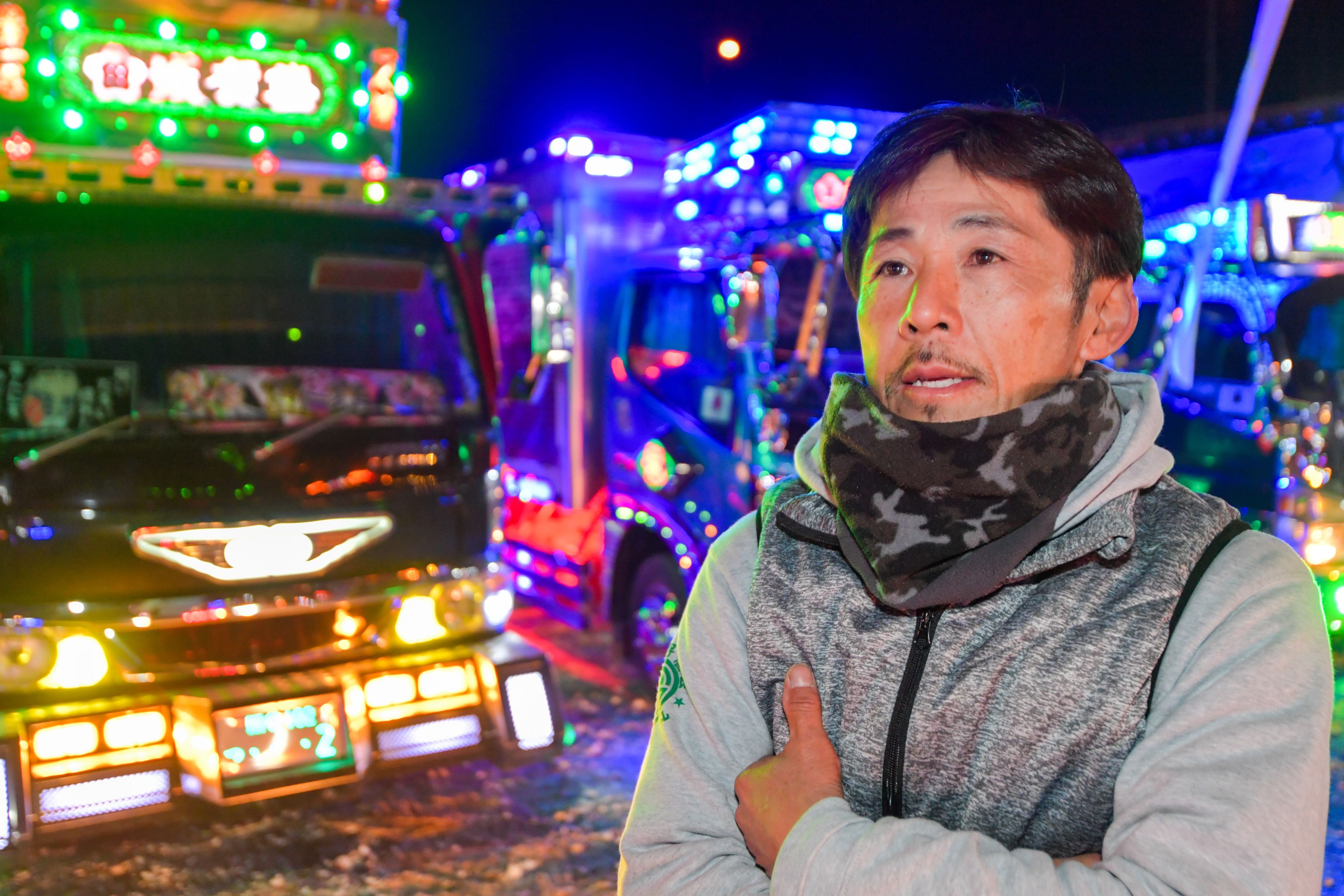
Although his parents, who were inside the building at the time of the calamity, escaped to safety, "the house was completely destroyed," said Nakazaki, 52.

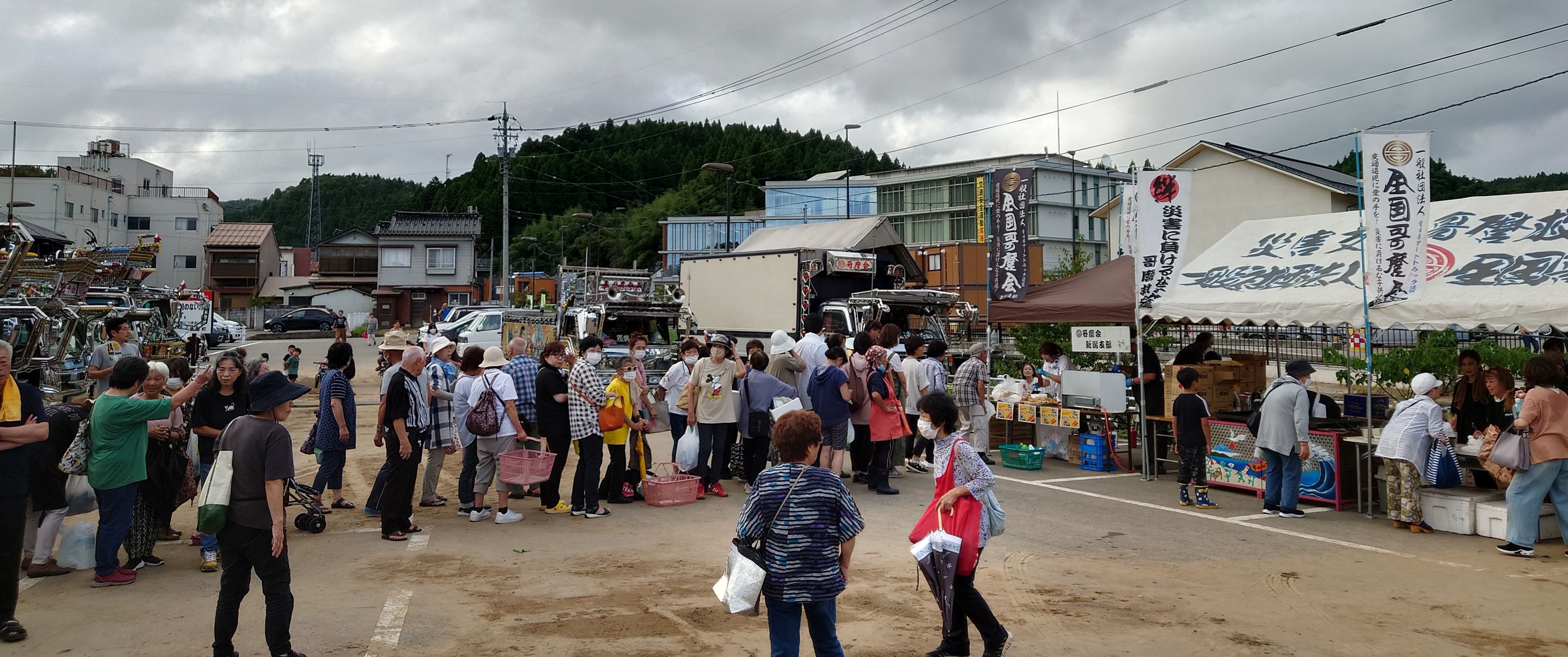
Utamarokai carries out earthquake relief efforts in Noto, Ishikawa Prefecture on Sept. 23, 2024. (Photo courtesy of Utamarokai)
Utamarokai carries out earthquake relief efforts in Noto, Ishikawa Prefecture on Sept. 23, 2024. (Photo courtesy of Utamarokai)
Sharing sentiments with the people of Noto, Nakazaki traveled to the region to take part in volunteer work there. "I also experienced disaster and went through tough times," he said. "The people there were very grateful and I put my all into helping out."

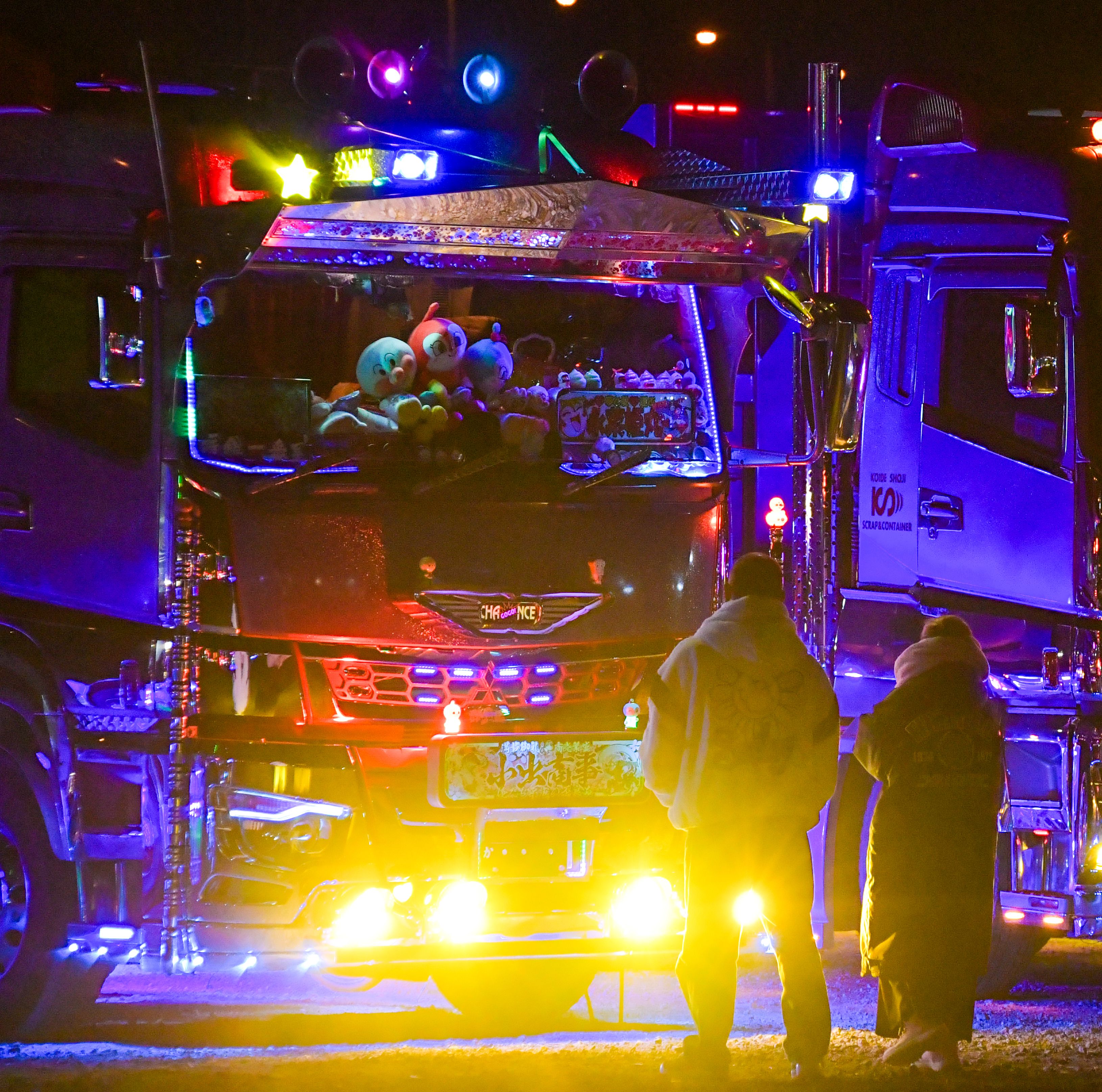

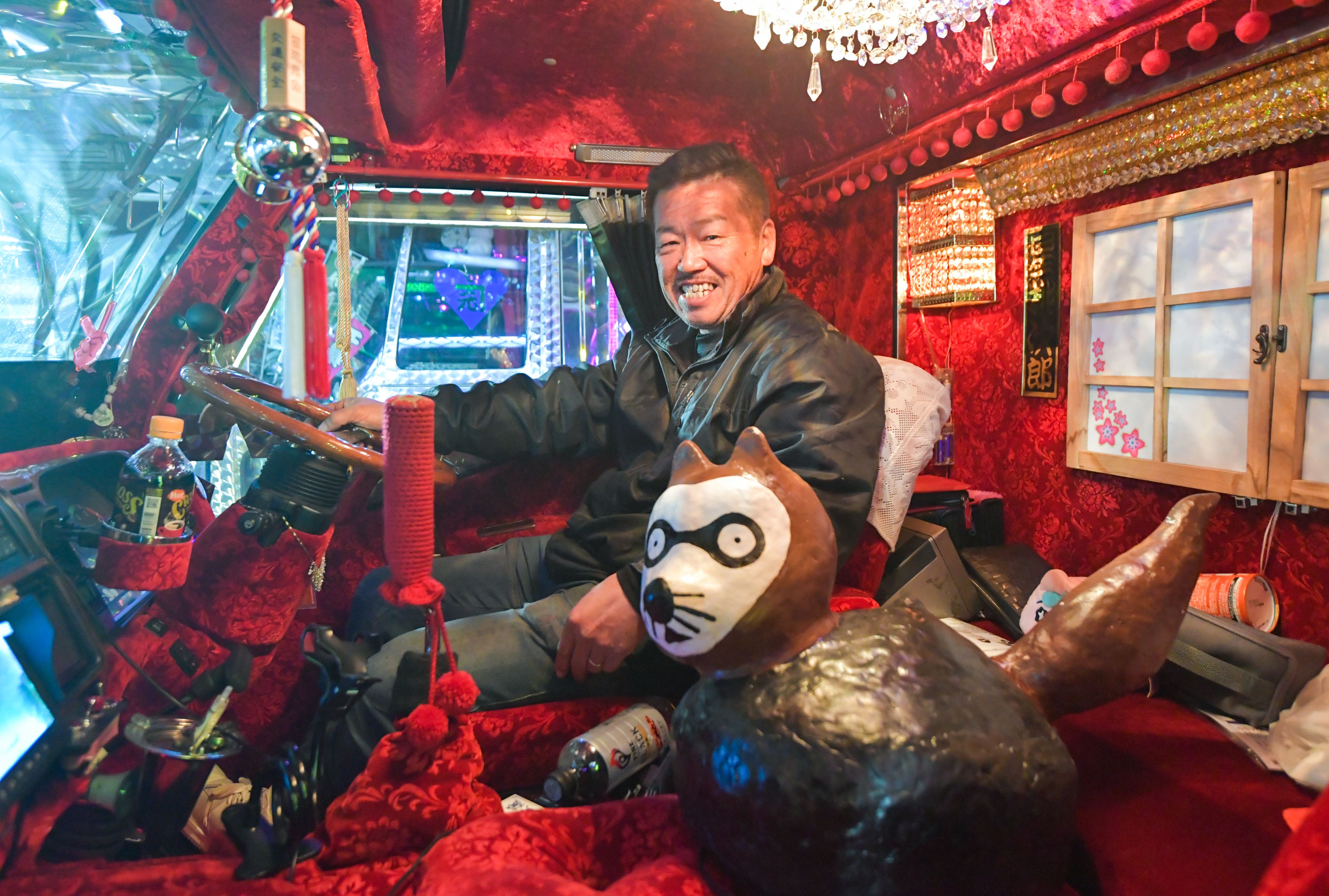
"It feels satisfying. Some even shed tears in gratitude," said Haruyoshi Kasagi, who had brought his truck to the New Year's Eve event from Tokushima Prefecture in western Japan.
"We never know when we will experience disaster ourselves, so I believe we should help each other in times of need," the 53-year-old said.
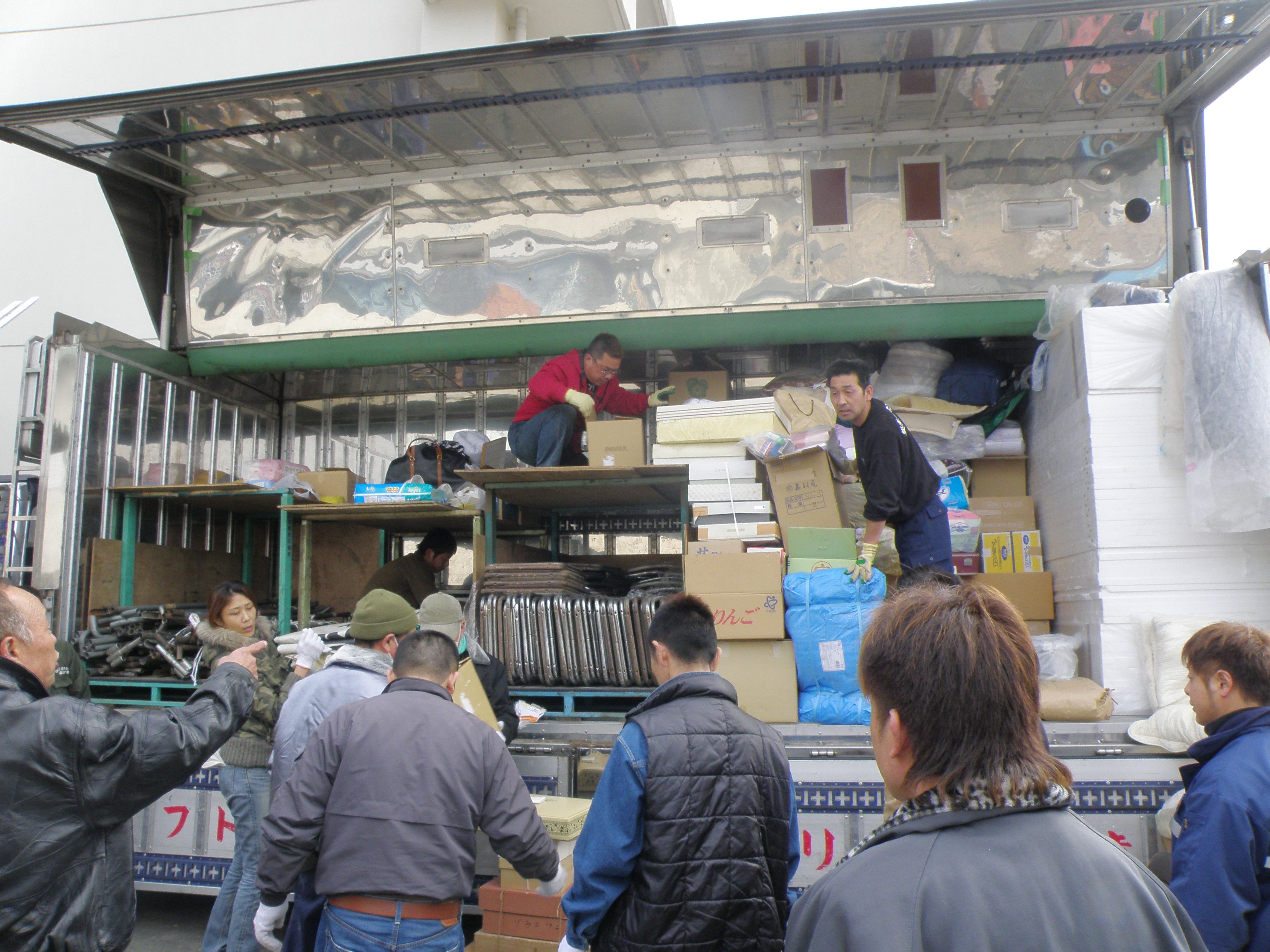
Members of Japanese decorated truck association Utamarokai hand out relief supplies at an evacuation center in Kesennuma, Miyagi Prefecture, on March 20, 2011, nine days after a powerful earthquake and tsunami hit the region. (Photo courtesy of Utamarokai)
Members of Japanese decorated truck association Utamarokai hand out relief supplies at an evacuation center in Kesennuma, Miyagi Prefecture, on March 20, 2011, nine days after a powerful earthquake and tsunami hit the region. (Photo courtesy of Utamarokai)
"Many truck drivers are people who have lost their way or made mistakes in life," Tajima said. "So, for them to become volunteers and go to disaster-affected areas, it can really change them to see people's reactions. They may think they are doing the work for others, but they are really doing it to change themselves."

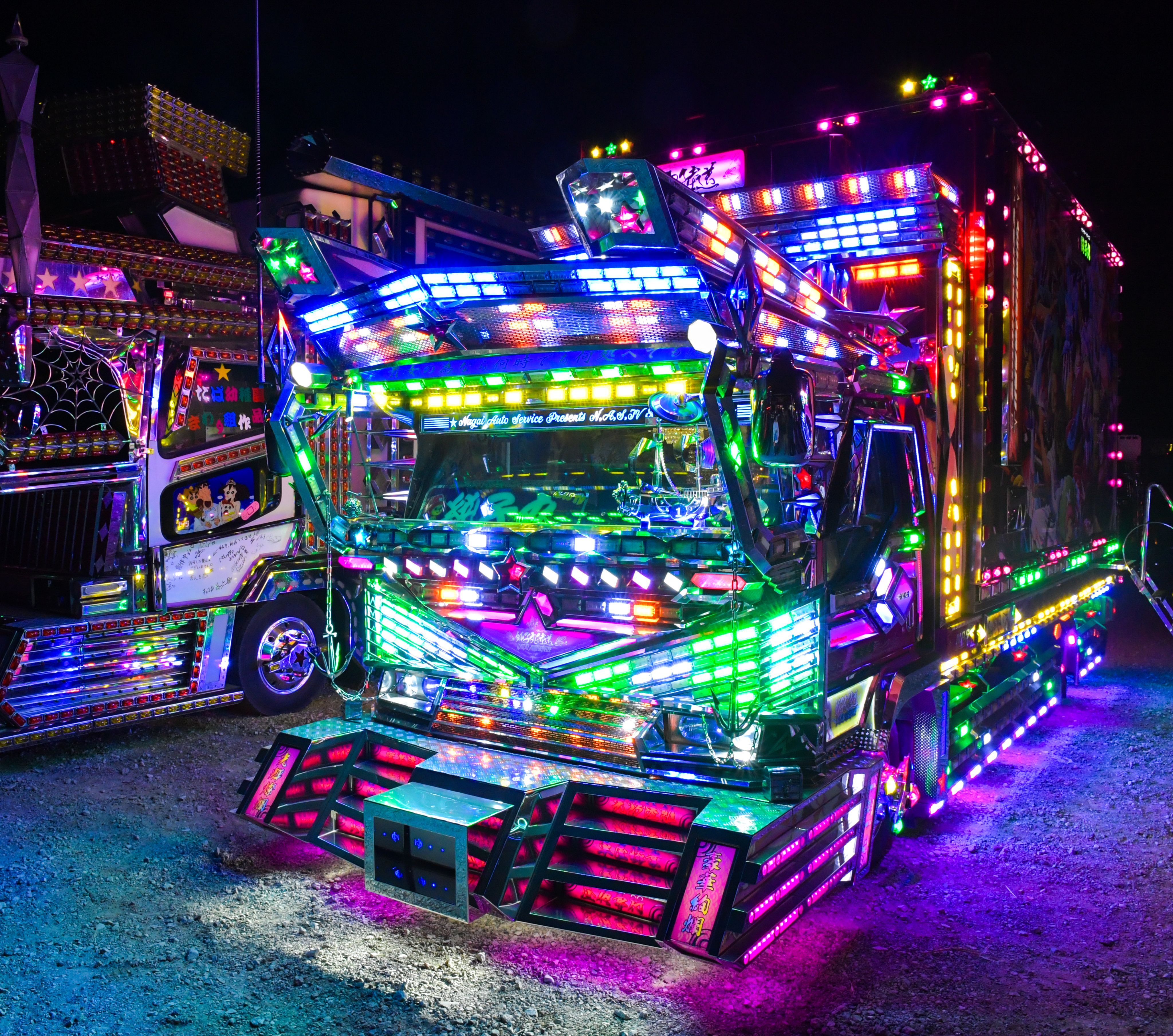
Despite the challenges, the promotional efforts of groups like Utamarokai have made dekotora fixtures at events held to promote regional growth and helped gain recognition in pop culture, often appearing in music videos and commercials.
"If I do not work hard to leave something behind for future generations, this will be the end of Japanese dekotora culture," Tajima stressed.
"I will do this until I die."

Other Spotlight Japan Stories


Japanese boxing superstar Naoya Inoue cruised to victory by unanimous decision against Mexican challenger David Picasso on Dec. 27 in Riyadh to retain his undisputed super bantamweight crown and become the outright record-holder with 27 consecutive wins in world title fights.

Illustrator Eiji Mitooka eyes grand designs for future of Japan's sightseeing trains
Designer and illustrator Eiji Mitooka, the creative mind behind some of Japan’s most luxurious trains, still has grand designs for the future of the country’s sightseeing railways.


Nagano wine valley channels pioneering spirit to attract visitors
In the Chikumagawa Wine Valley, the up-and-coming region of Nagano wine, winemakers are channeling a pioneering spirit to reveal the region’s potential and draw visitors in deeper.
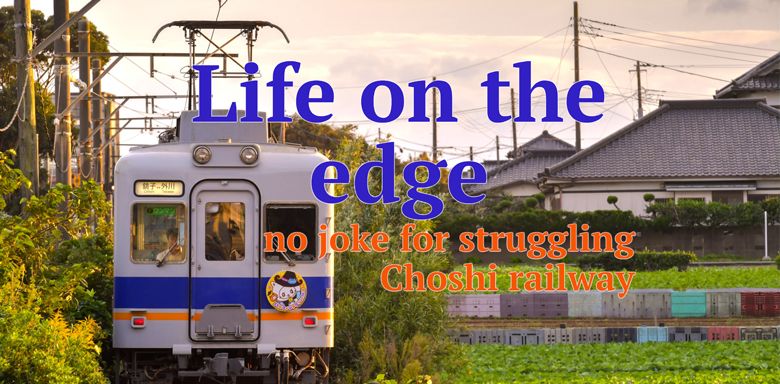
no joke for struggling Choshi railway
The unconventional approach of a struggling railway operator in Choshi, near Tokyo, to revive its fortunes is just about keeping the service on track.


The Company uses Google Analytics, an access analysis tool provided by Google. Google Analytics uses cookies to track use of the Service. (Client ID / IP address / Viewing page URL / Referrer / Device type / Operating system / Browser type / Language /Screen resolution) Users can prevent Google Analytics, as used by the Company, from tracking their use of the Service by downloading and installing the Google Analytics opt-out add-on provided by Google, and changing the add-on settings on their browser. (https://tools.google.com/dlpage/gaoptout) For more information about how Google handles collected data: Google Analytics Terms of Service (https://policies.google.com/technologies/cookies?hl=en#types-of-cookies) Google Privacy & Terms(https://policies.google.com/privacy)
© Kyodo News. All Rights Reserved. No reproduction or republication without written permission.


 Built with Shorthand