
Gacha gacha exhibition mirrors growing creativity in capsule toys

By Tom Shuttleworth
As gacha gacha culture looks back on 60 years in Japan, an exhibition in Tokyo celebrates the growing culture and creativity behind the toys confined to capsules.
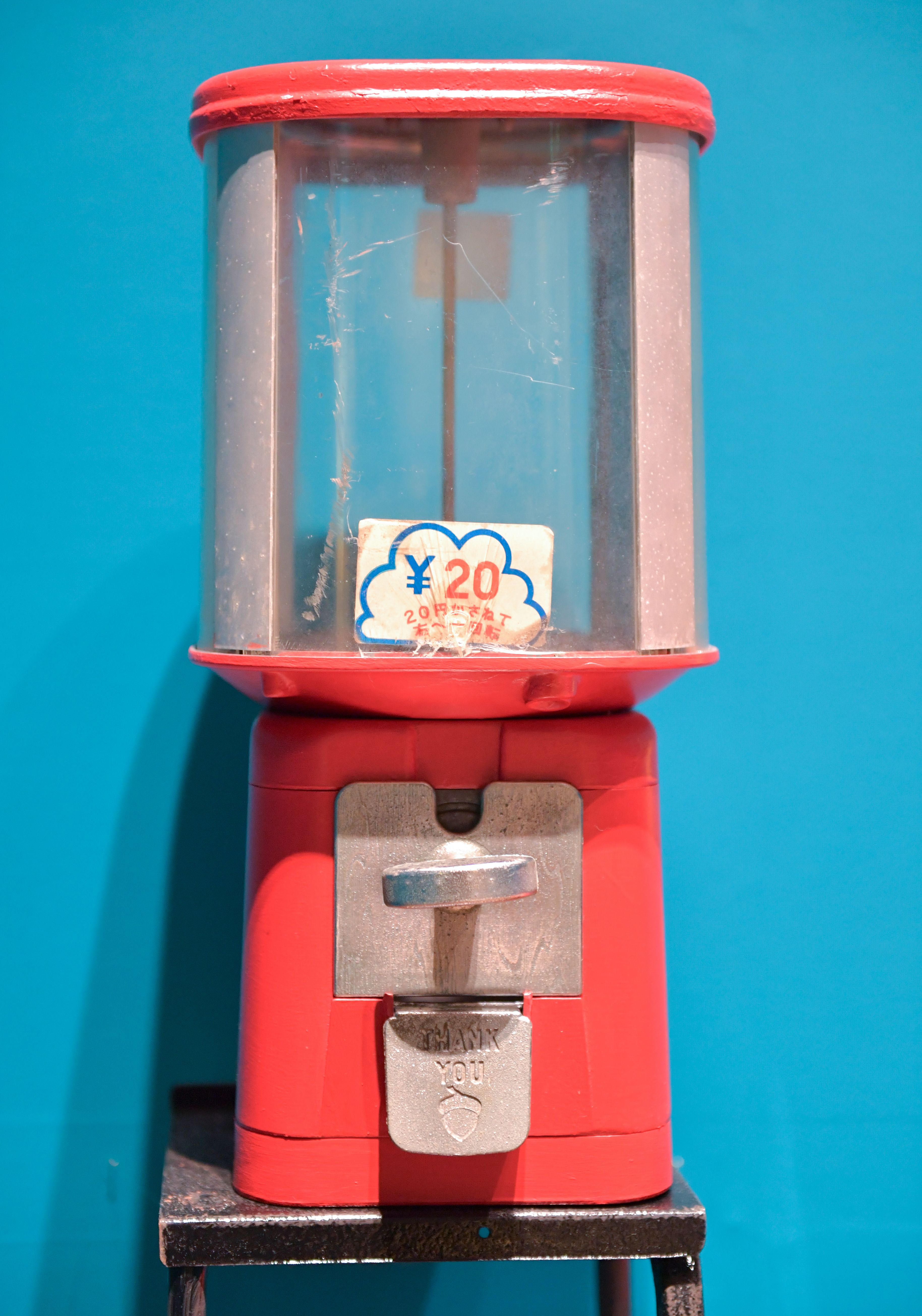
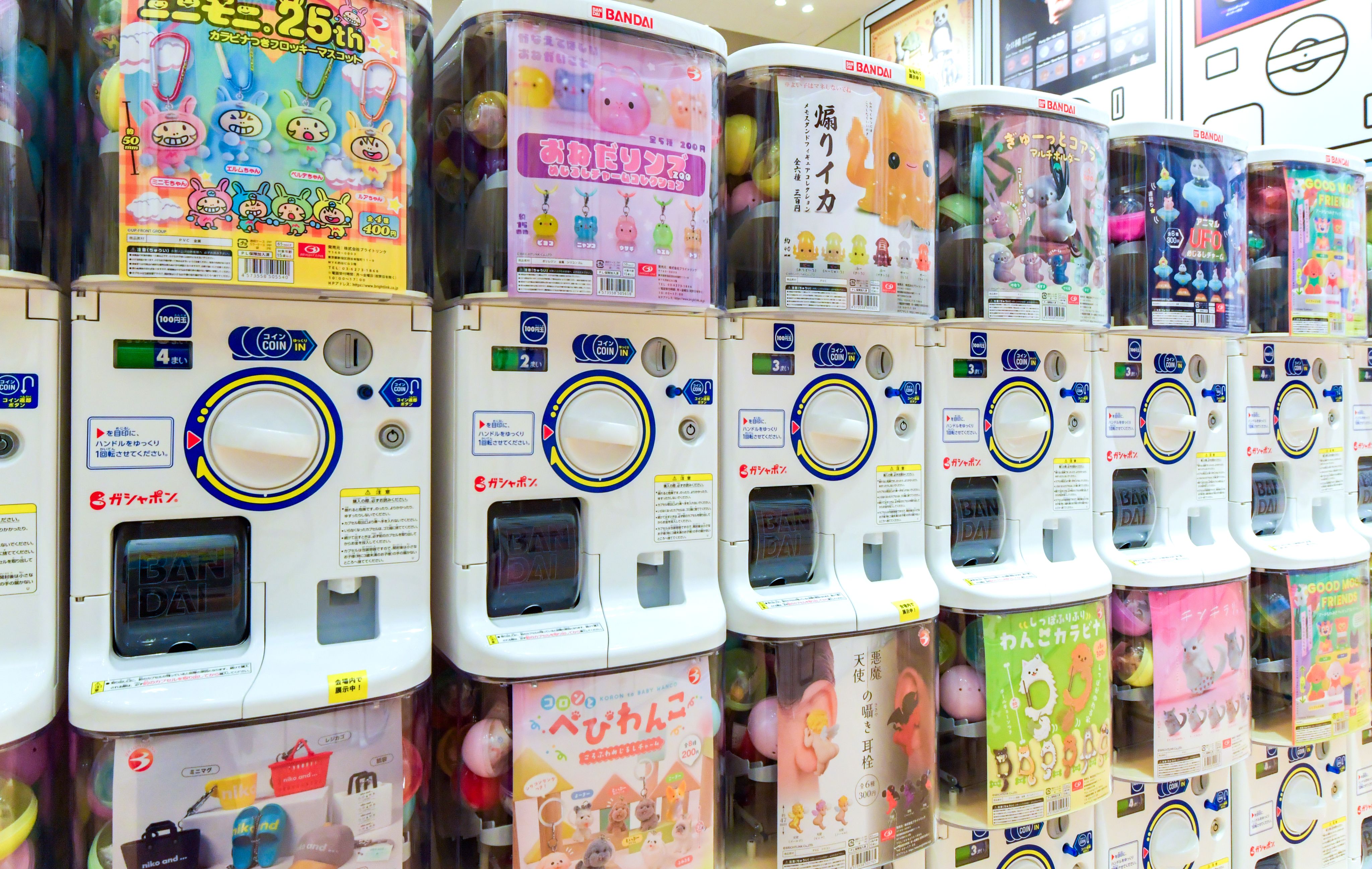
At the Gacha Gacha Exhibition in Roppongi, Tokyo, visitors can see one of the early capsule toy vending machines first brought to Japan from the U.S. by Penny Sales Co. in 1965. The machines and toys became known as "gacha gacha," after the sound of the handle being turned to dispense the toys within.

More than 60 years later, capsule toy culture is thriving in Japan. In an increasingly digital world, more and more people are turning to the analogue pleasures of gacha gacha.
The capsule toy market surged to an estimated 141 billion yen ($918 million) in 2024, almost double the estimated 72 billion yen in 2022, according to surveys by the Japan Capsule Toy Association. Makers were producing around 700 new products each month, typically priced between 400 yen and 500 yen.

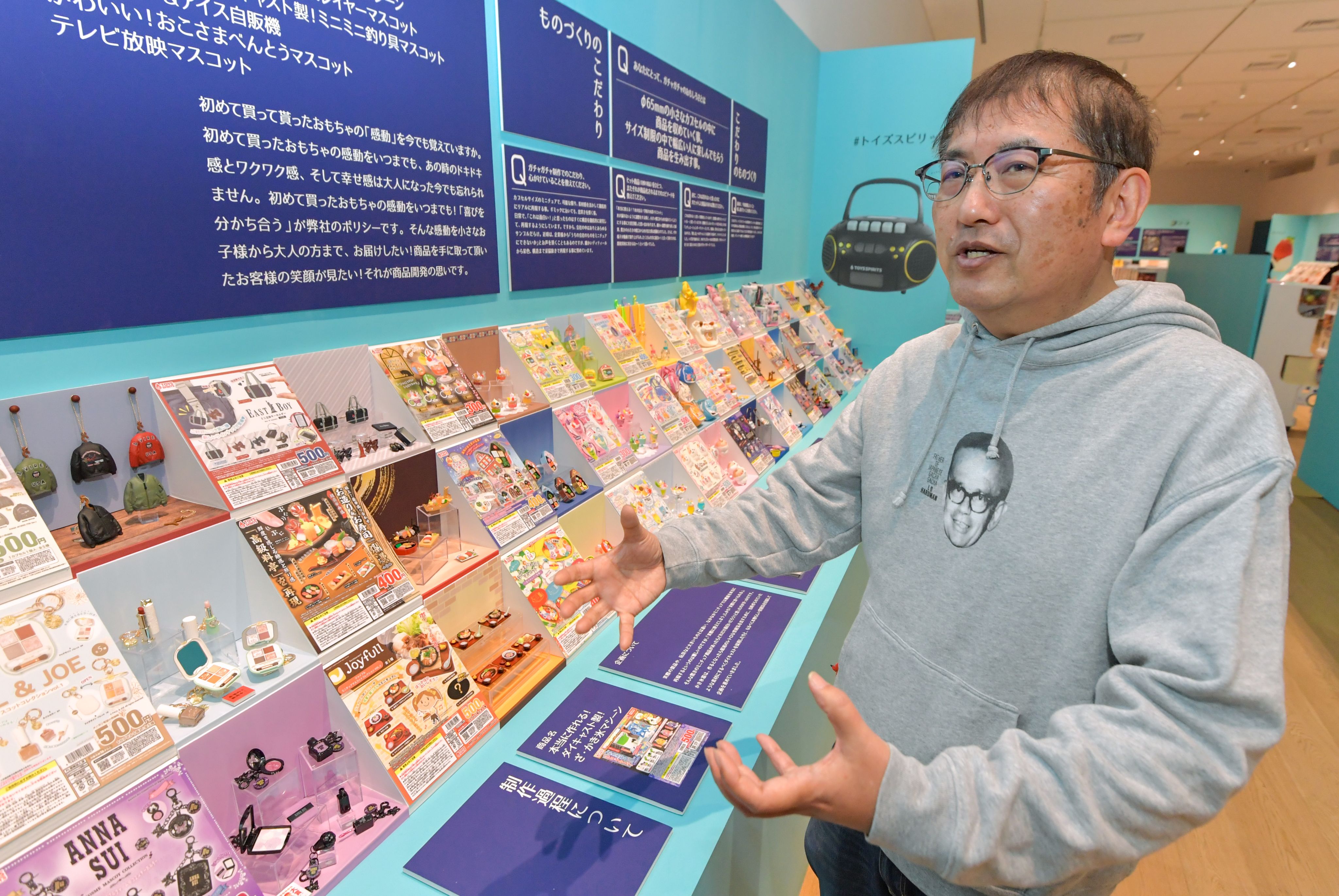
Katsuhiko Onoo, representative director of the separate Japan Gacha Gacha Association -- one of the Roppongi exhibition collaborators -- says that while the rise in shops and spaces dedicated to capsule toy machines is driving the boom, the improved quality of the toys themselves is behind gacha gacha’s longevity.
Once seen as something for children, capsule toys are now created by skilled craftsmen and artists, displaying incredible attention to detail. “Japan has long had a culture of appreciating tiny, detailed objects. That sensibility can be found in gacha gacha today,” Onoo, 60, told Japan Wire at the exhibition.

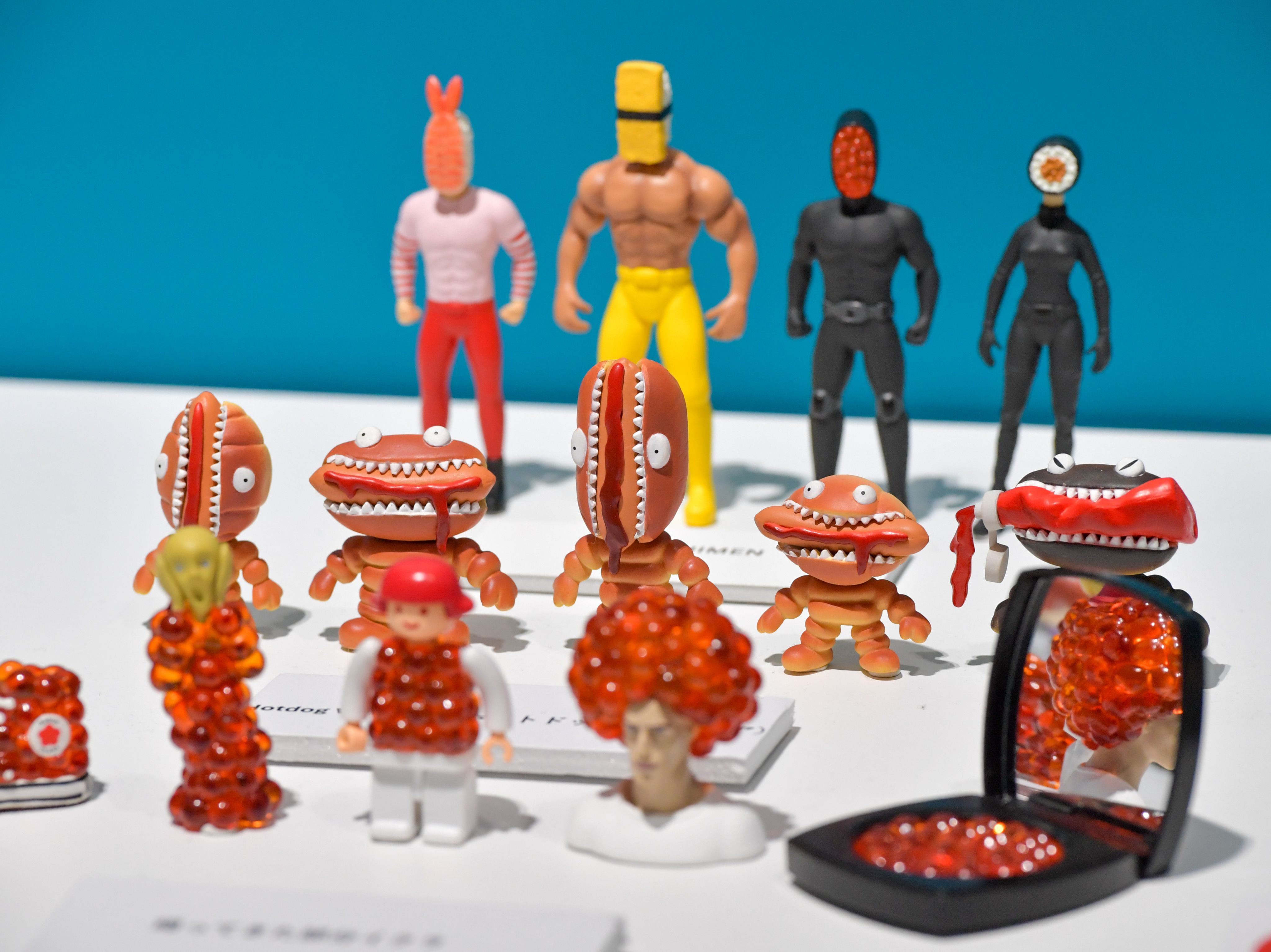
The Roppongi exhibition, which runs through March 2 at the Roppongi Museum, features capsule toys from over 400 series and 13 makers. Themes are wide-ranging, including retro electronics, food samples, and even fishing gear. Onoo says he wants visitors to see how many of the toys are unique to the world of gacha gacha.

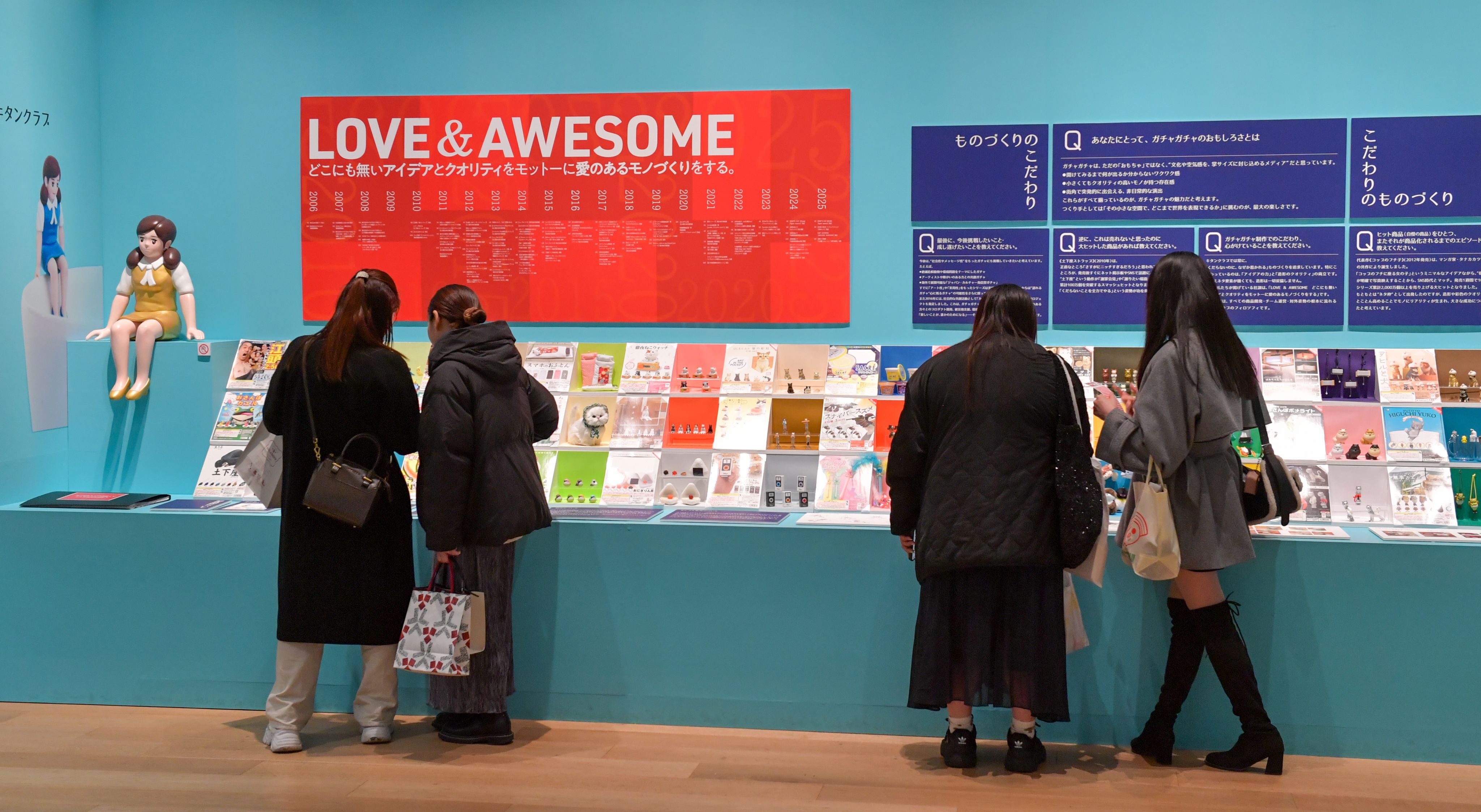
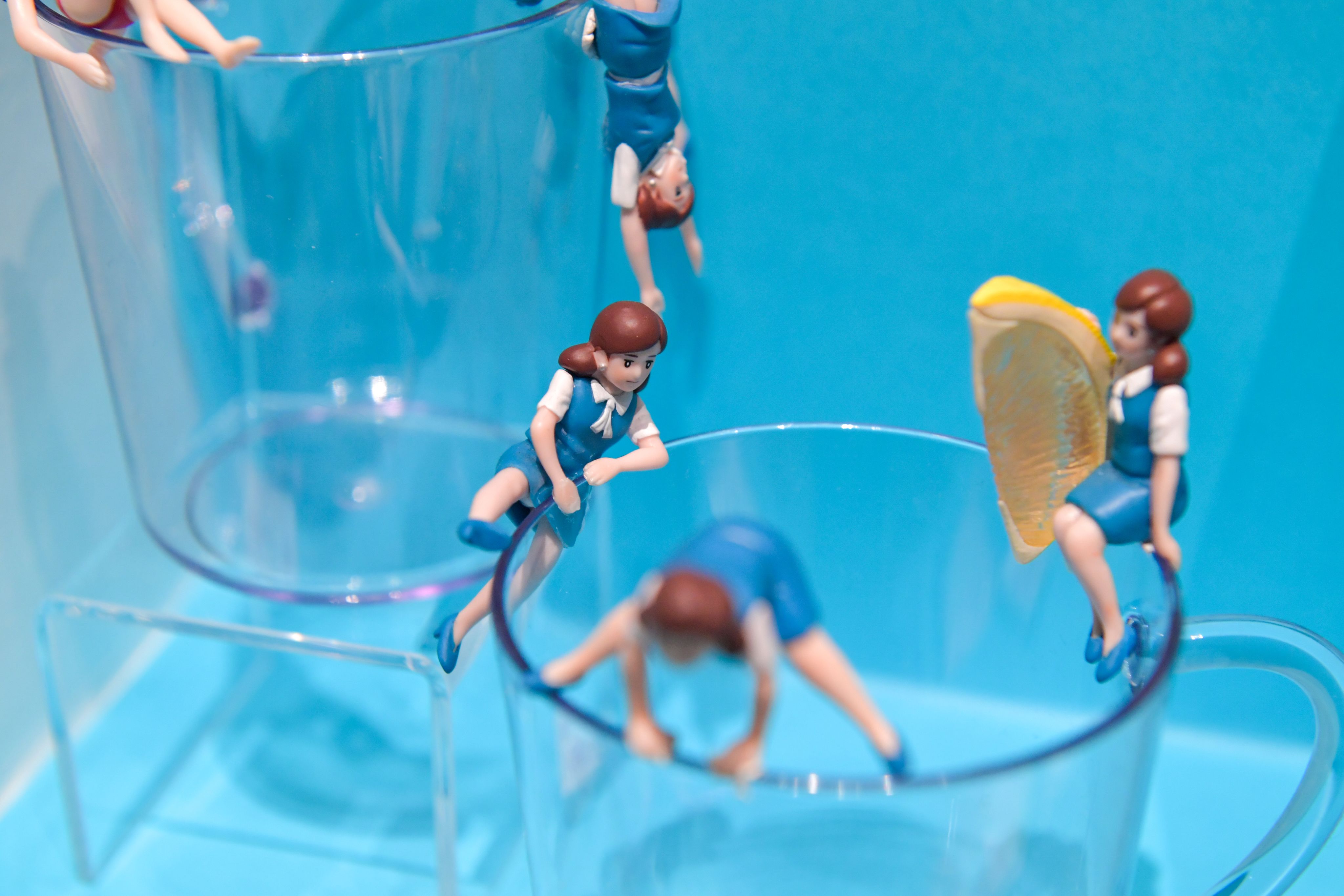
Displays include the Koppu no Fuchiko series from maker Kitan Club Co. Released in 2012, the popular series depicting an office lady perched on the edge of a mug marked a turning point for gacha gacha, according to Onoo. Where capsule toys were typically adapted from existing characters and products, the series was unique to gacha gacha and sparked an increase in makers producing toys exclusively for the genre.



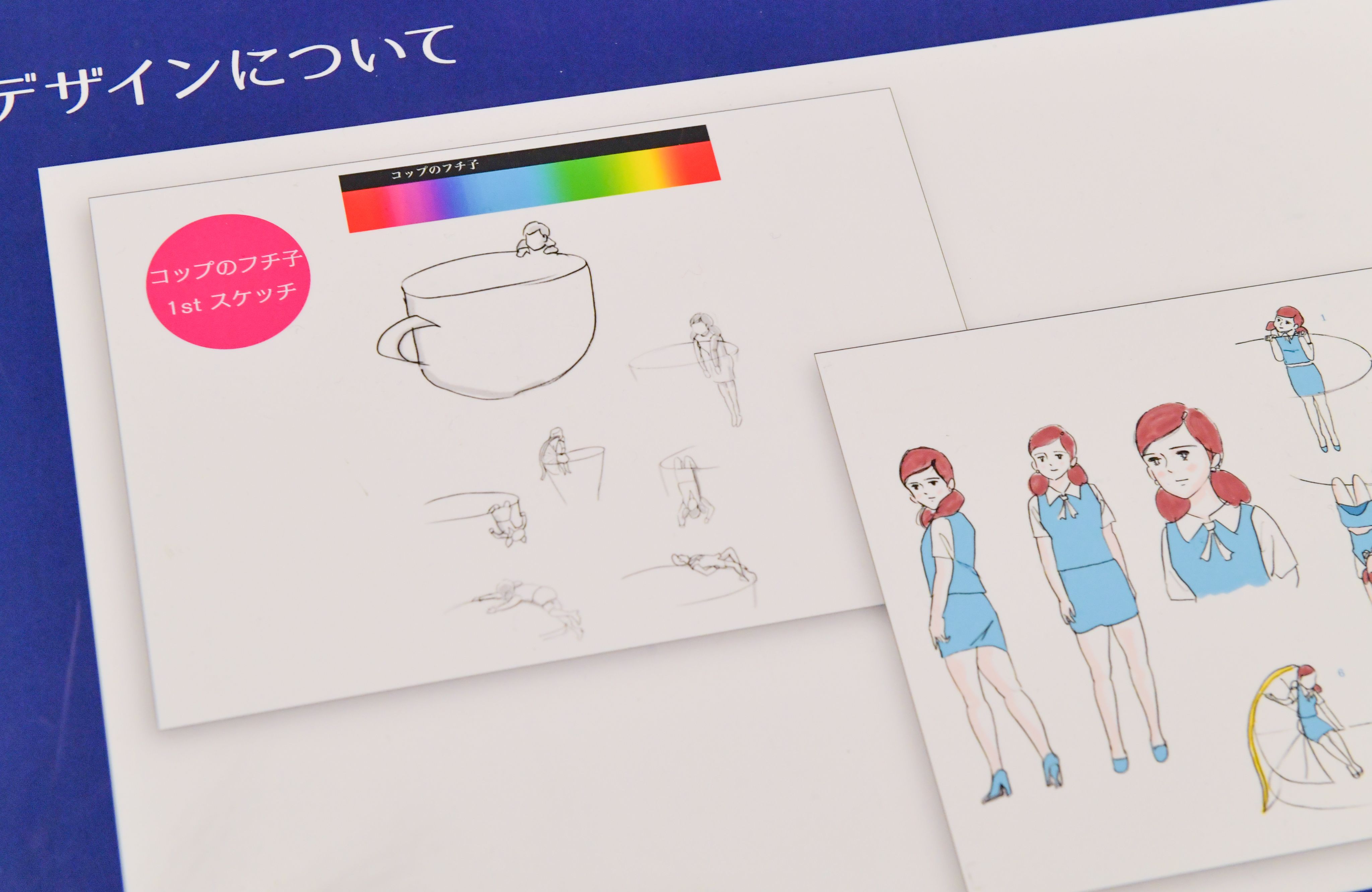
Photo shows design sketches and illustrations for the Koppu no Fuchiko capsule toy series at the Gacha Gacha Exhibition in Roppongi.
Photo shows design sketches and illustrations for the Koppu no Fuchiko capsule toy series at the Gacha Gacha Exhibition in Roppongi.
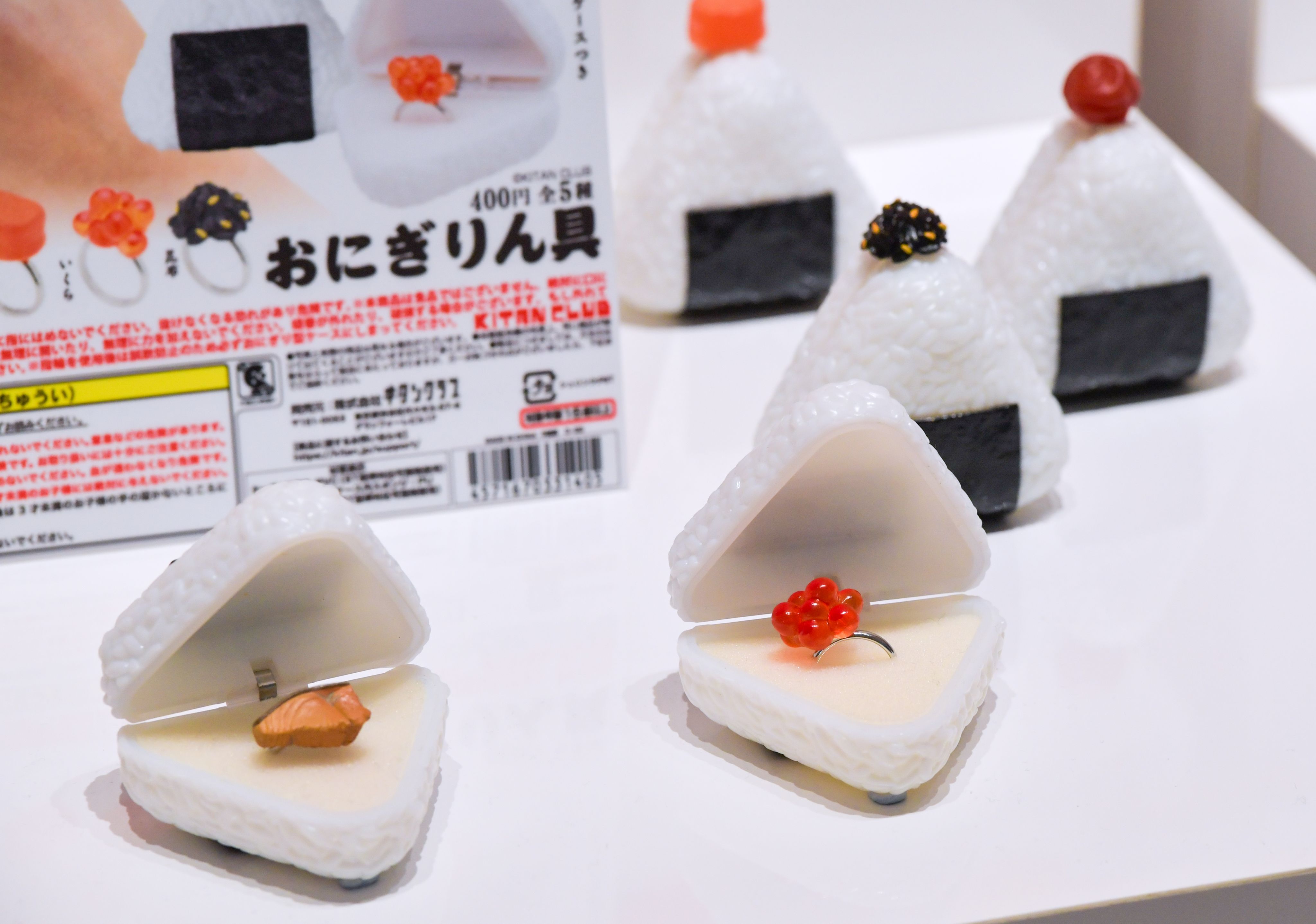
Around the same time, makers found a growing audience among women, driven by the trend of sharing content about the toys on social media. They began designing products targeting the burgeoning demographic, with series like Kitan Club’s onigiri fillings-- rings decorated with ingredients used in rice balls, including salmon roe and pickled plum -- proving popular.

The Roppongi exhibition is an expansion of one marking the 60th anniversary of gacha gacha held in Tokyo’s Marunouchi district in July and August last year. Of the around 38,000 visitors to that event, 70 percent were women, according to Onoo.

Kiyone Okumura, who went to the 60th anniversary event, was visiting the Roppongi exhibition after work. The 24-year-old said she follows news of capsule toy releases on Instagram. “If I see something that looks interesting, I’ll check a capsule toy corner and go straight for the toys I had my eye on.”

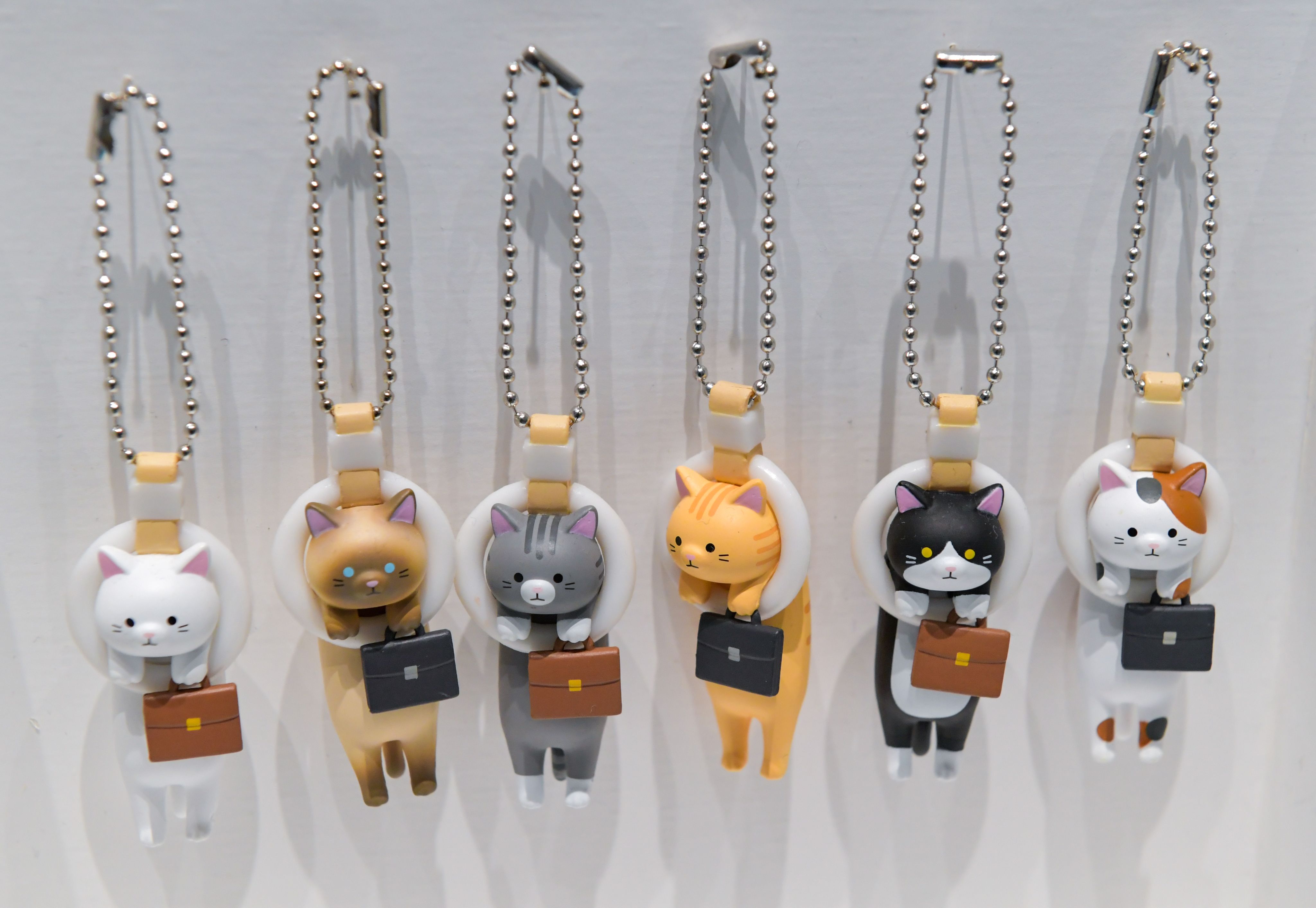
Okumura said she has recently been collecting toys from the Tamagotchi electronic pet series and even miniatures of gacha gacha machines. “I’ve lost count of how many I have,” she said. “I put them on display but I’m running out of wall space.”

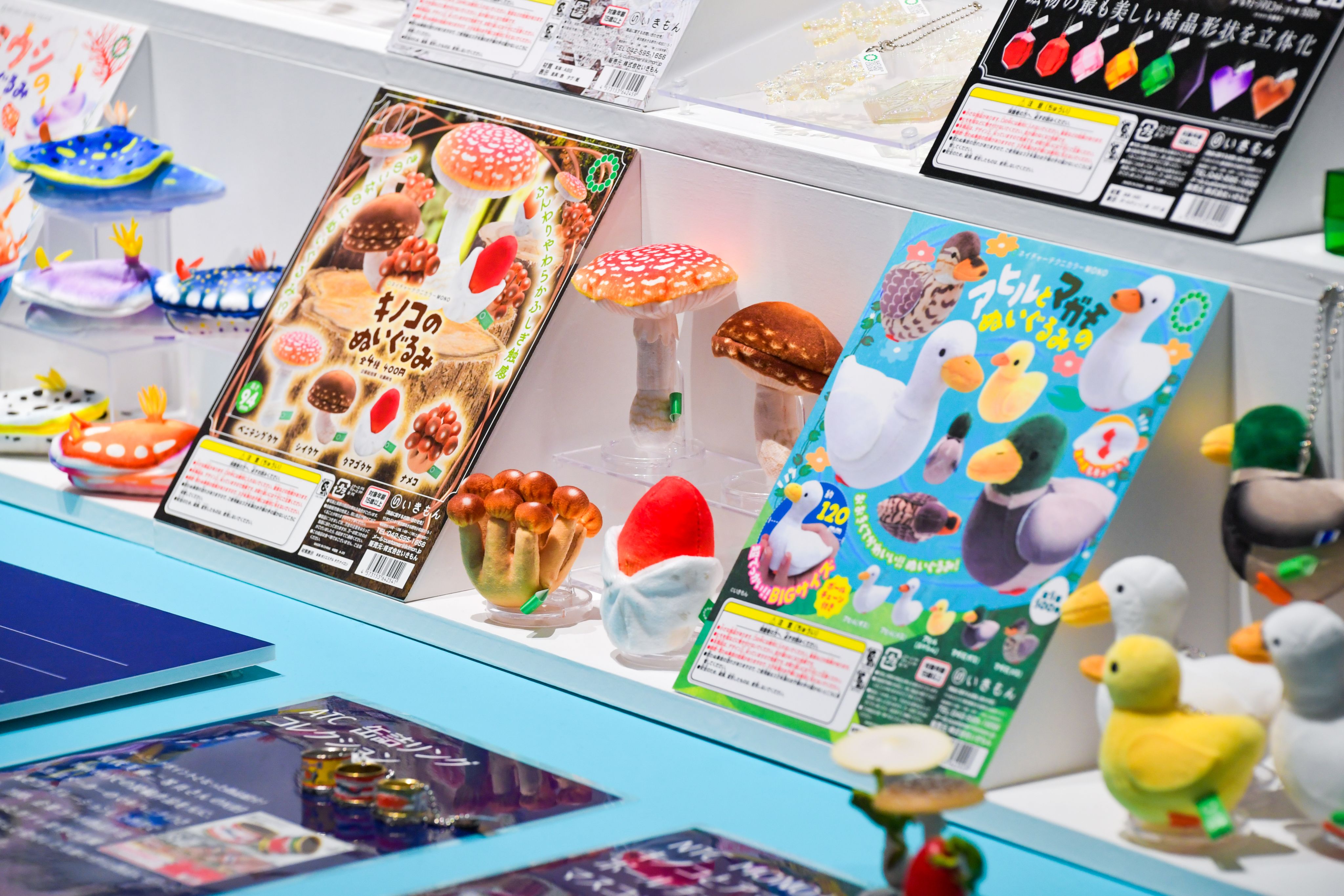
Haruka Inamori, 26, was visiting the exhibition in Roppongi with a friend after reading about it on the social media platform X. Inamori said she has enjoyed capsule toys for a long time, collecting a large number over the years. “I have a ridiculous amount. I’ve probably spent around 200,000 yen on them,” she said.

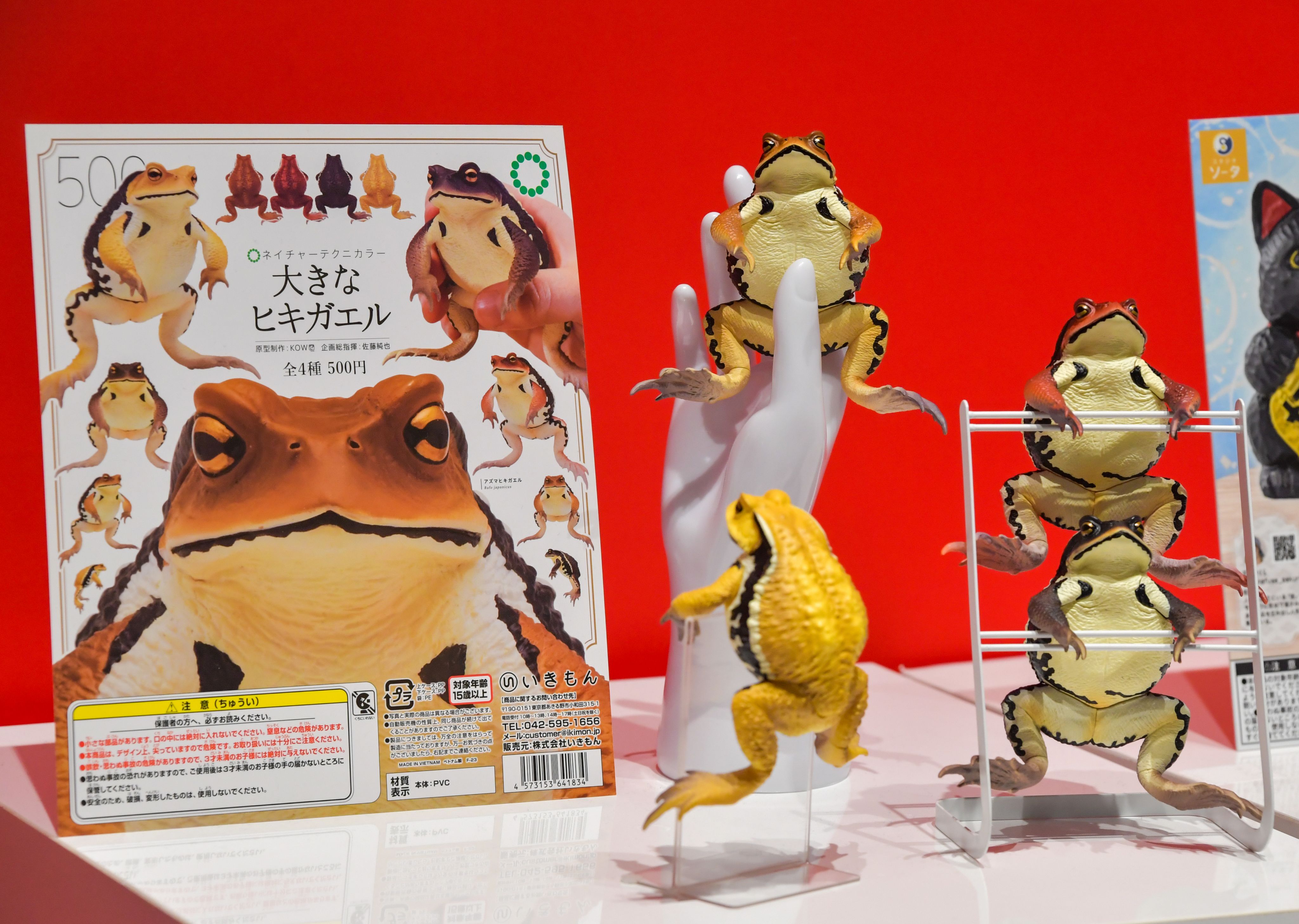
Inamori said she became a fan of the toys through collecting boxed miniature models as a child. “As I grew up, my love for miniatures naturally moved toward capsule toys.”

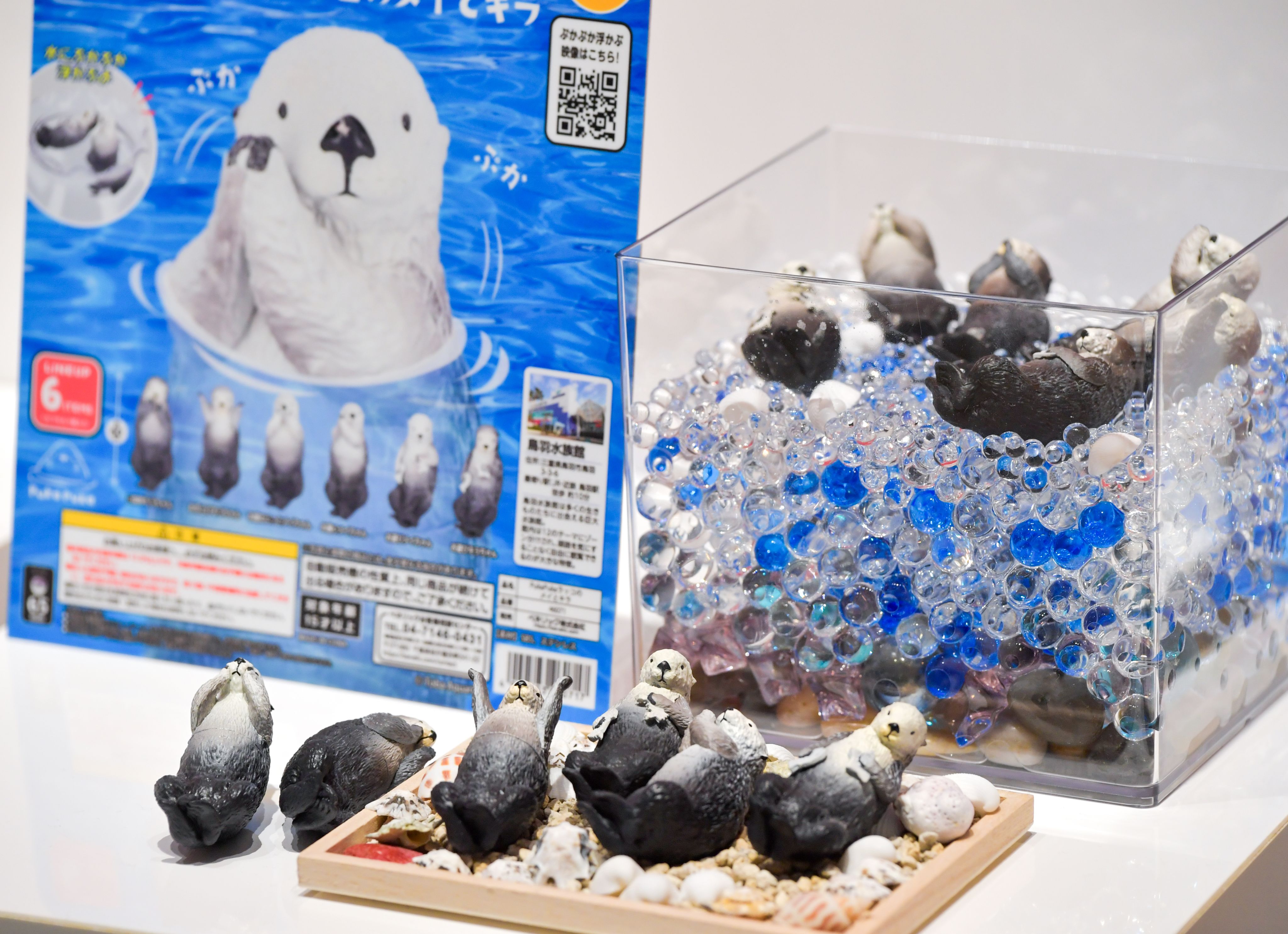
Such is the appeal of gacha gacha in Japan, people even want to put their own image in the capsules.

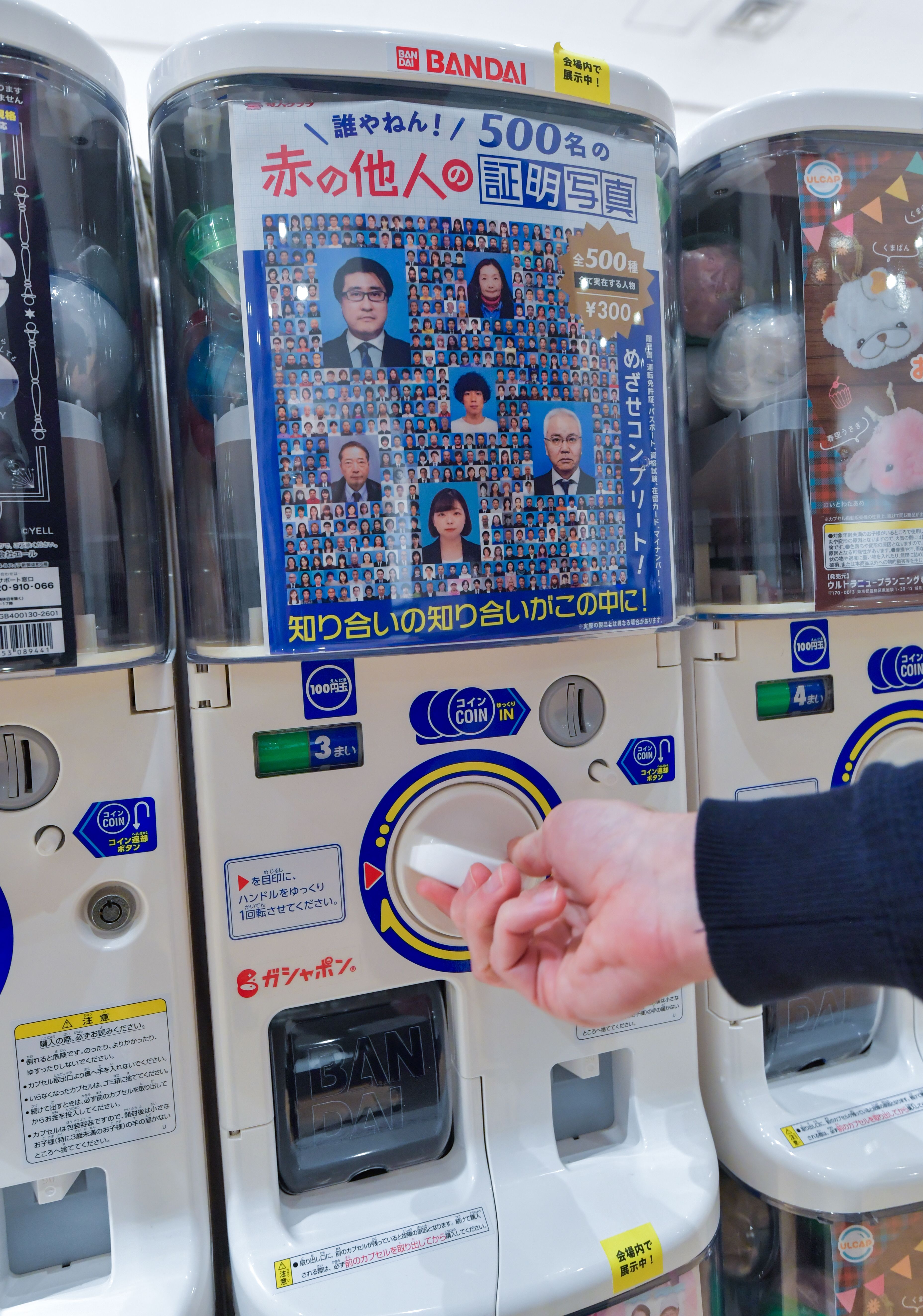
A vending machine dispenses capsule toys from the ID photo series at the Gacha Gacha Exhibition in Roppongi.
A vending machine dispenses capsule toys from the ID photo series at the Gacha Gacha Exhibition in Roppongi.
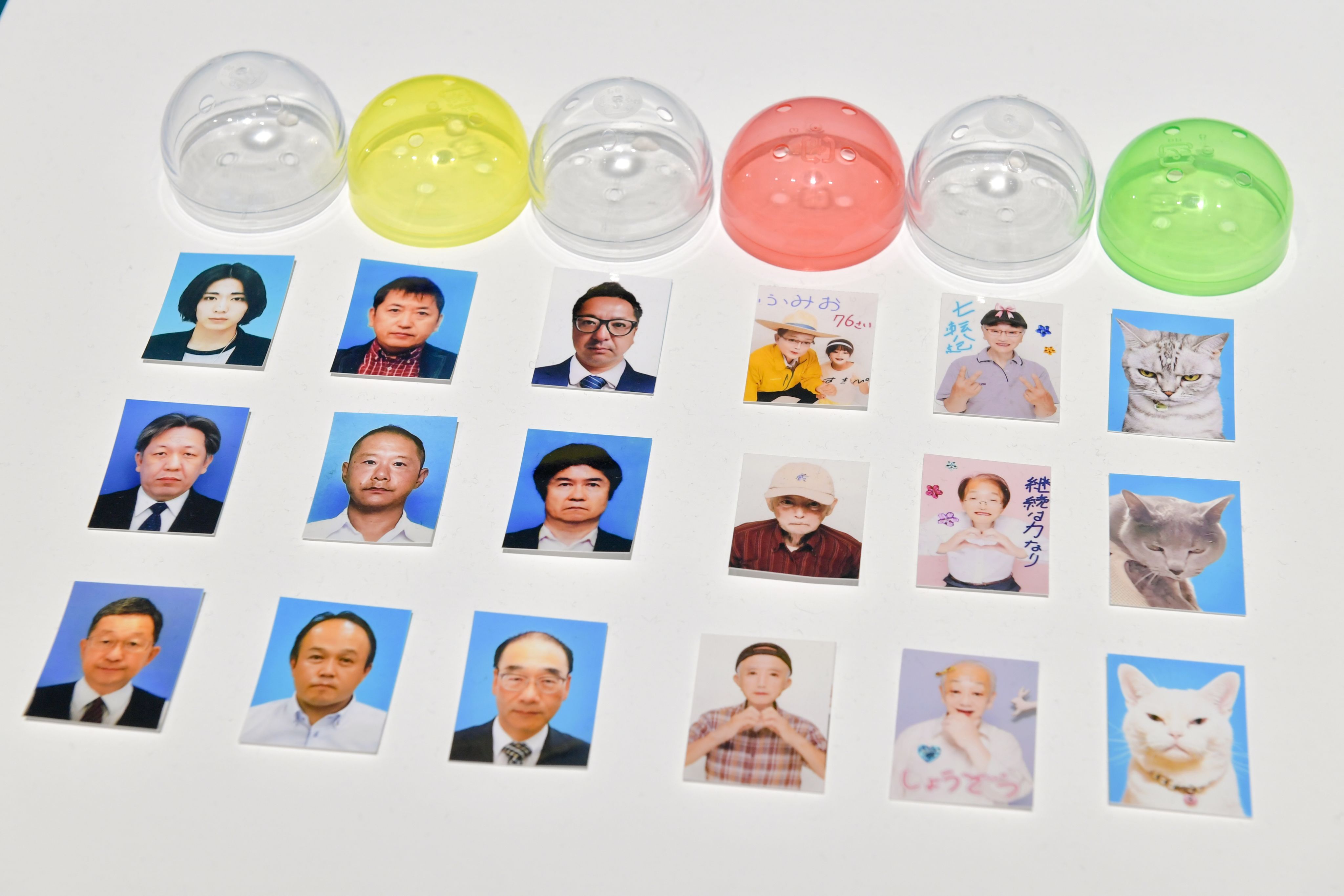
A series based on ID photos is among the more curious on display at the exhibition. What started in 2022 with the “complete stranger series,” featuring capsules containing driver license–style ID photos donated by their owners, expanded to include photos of cats and dogs, and even old graduation photos. The series has sold over 500,000 capsules, according to the exhibition organizers.

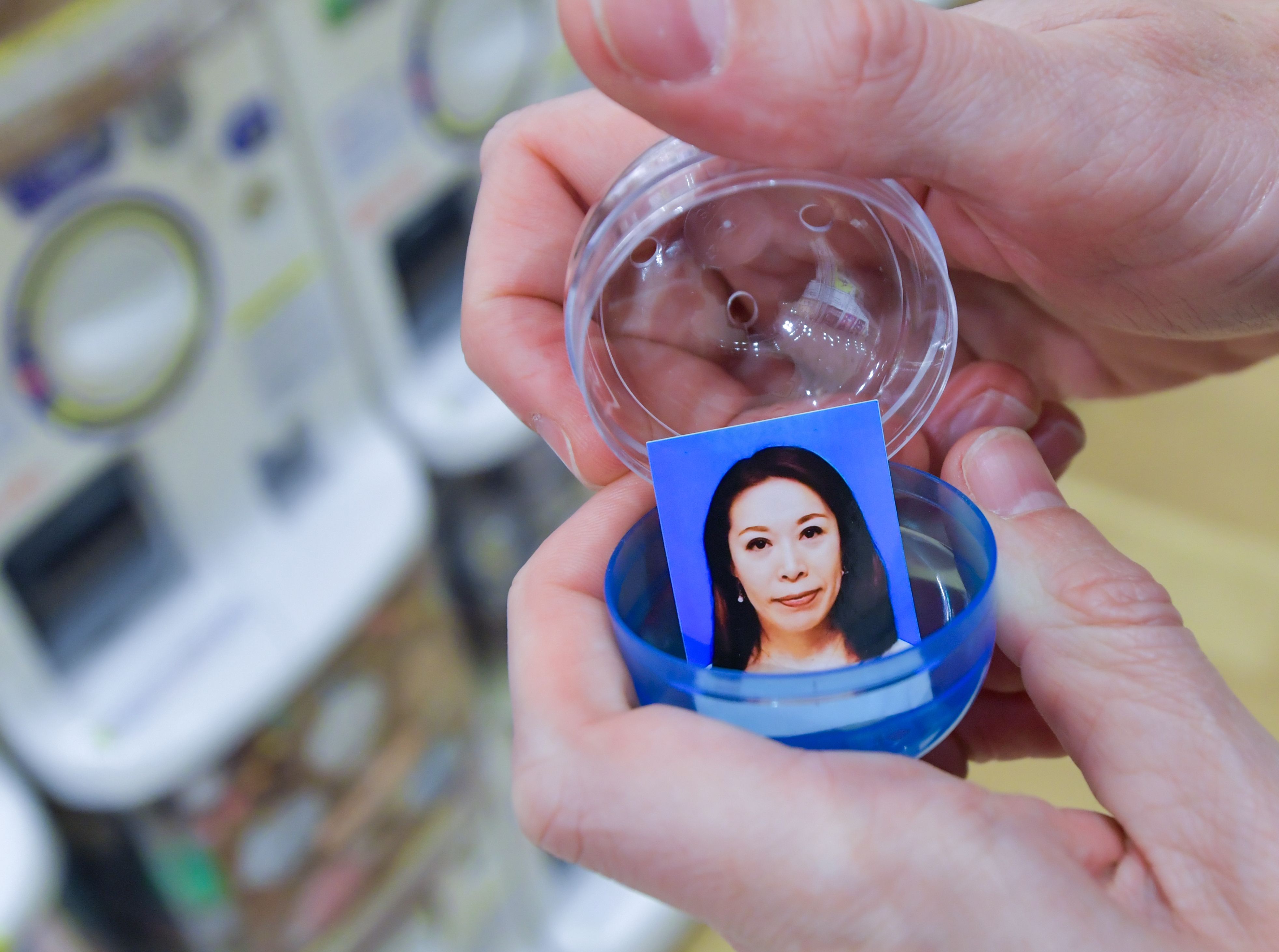
Photo taken at the Gacha Gacha Exhibition in Roppongi shows a capsule toy from the ID photo series.
Photo taken at the Gacha Gacha Exhibition in Roppongi shows a capsule toy from the ID photo series.
Onoo, whose own photo is part of the series, now works full-time promoting, sharing research, and writing books about gacha gacha culture. Despite the size constraint of the capsules, Onoo believes the market is yet to hit its ceiling. “Right now, it’s around 140 billion yen, but it could grow to 200 billion yen,” he said.

Other Spotlight Japan Stories


Foreign tourists showing appetite for Japan's art of food replicas
Hands-on lessons in the art of creating food replicas have caught on with foreign visitors keen to learn more about a distinctive Japanese craft that has evolved for over 100 years.


Japan's neon-decorated trucks dazzle for New Year's disaster relief
It was the country's largest assembly of decorated trucks, or "dekotora" as they are known in Japanese, which were fully illuminated in all their gaudy glory to the delight of thousands of attendees at a countdown event in Fukaya, Saitama Prefecture.

no joke for struggling Choshi railway
The unconventional approach of a struggling railway operator in Choshi, near Tokyo, to revive its fortunes is just about keeping the service on track.

Nagano wine valley channels pioneering spirit to attract visitors
In the Chikumagawa Wine Valley, the up-and-coming region of Nagano wine, winemakers are channeling a pioneering spirit to reveal the region’s potential and draw visitors in deeper.


The Company uses Google Analytics, an access analysis tool provided by Google. Google Analytics uses cookies to track use of the Service. (Client ID / IP address / Viewing page URL / Referrer / Device type / Operating system / Browser type / Language /Screen resolution) Users can prevent Google Analytics, as used by the Company, from tracking their use of the Service by downloading and installing the Google Analytics opt-out add-on provided by Google, and changing the add-on settings on their browser. (https://tools.google.com/dlpage/gaoptout) For more information about how Google handles collected data: Google Analytics Terms of Service (https://policies.google.com/technologies/cookies?hl=en#types-of-cookies) Google Privacy & Terms(https://policies.google.com/privacy)
© Kyodo News. All Rights Reserved. No reproduction or republication without written permission.
 Built with Shorthand