

Two Years After the Noto Earthquake
Life and Landscapes Through the Four Seasons
New Year's Day will mark two years since a powerful earthquake struck the Noto Peninsula. While the marks of the disaster remain, the region's distinctive landscapes, culture, and ways of life continue to radiate vibrant color. Through photographs capturing each season, we revisit the beauty and resilience of this remarkable region.
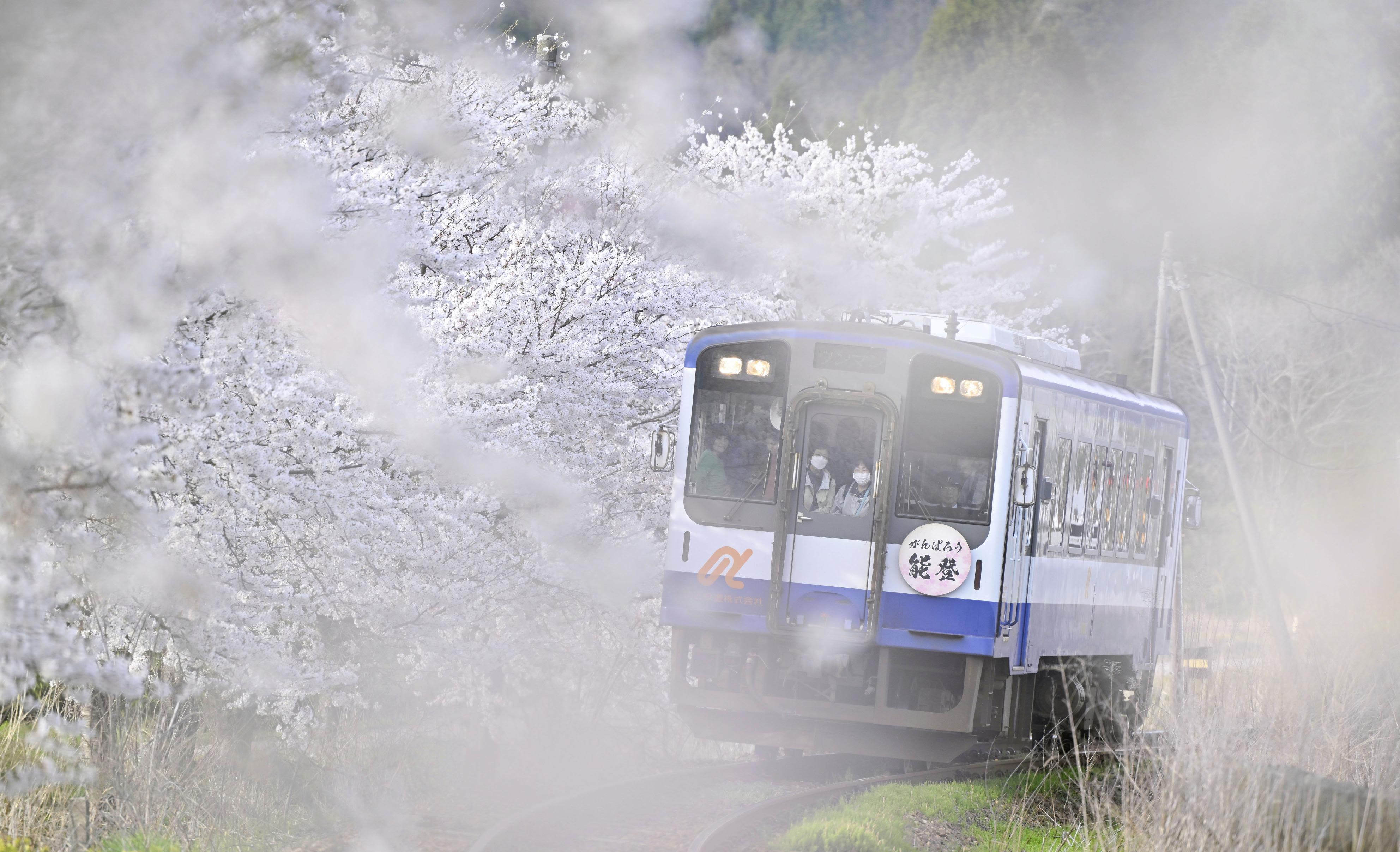
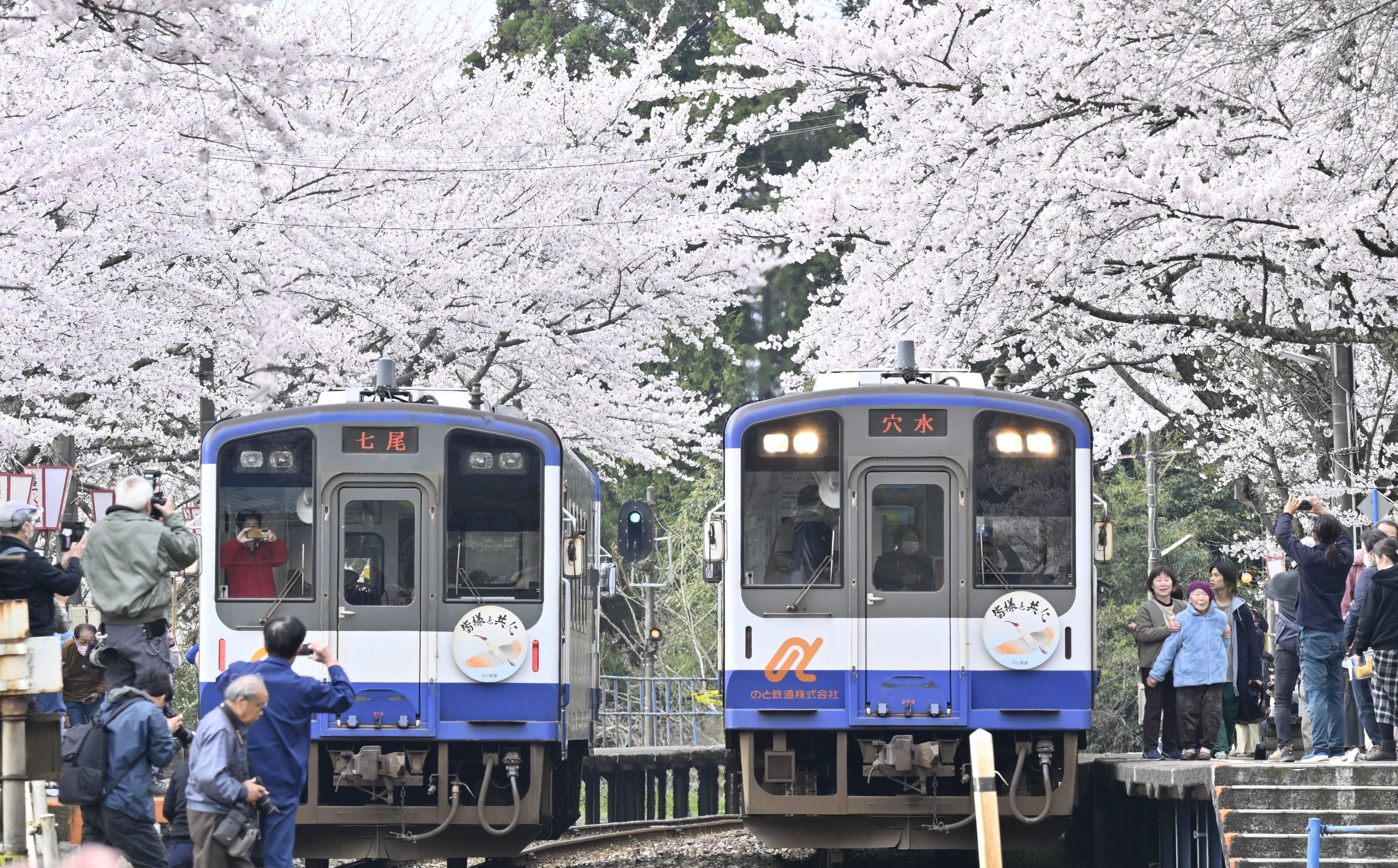
The Noto Railway, connecting Anamizu and Nanao, runs through landscapes still bearing the scars of the earthquake. Full operation resumed three months after mud flooded its tunnels. Lined with cherry trees planted during the era of the former Japanese National Railways, the line remains a vital lifeline amid accelerating depopulation.

In Noto, craftsmen at blacksmith Fukube Kaji maintain a tradition dating back to 1908, repairing tools essential for daily life. Despite losing employees and commuting from evacuation centers, they continued their work, buoyed by letters of support from across Japan.



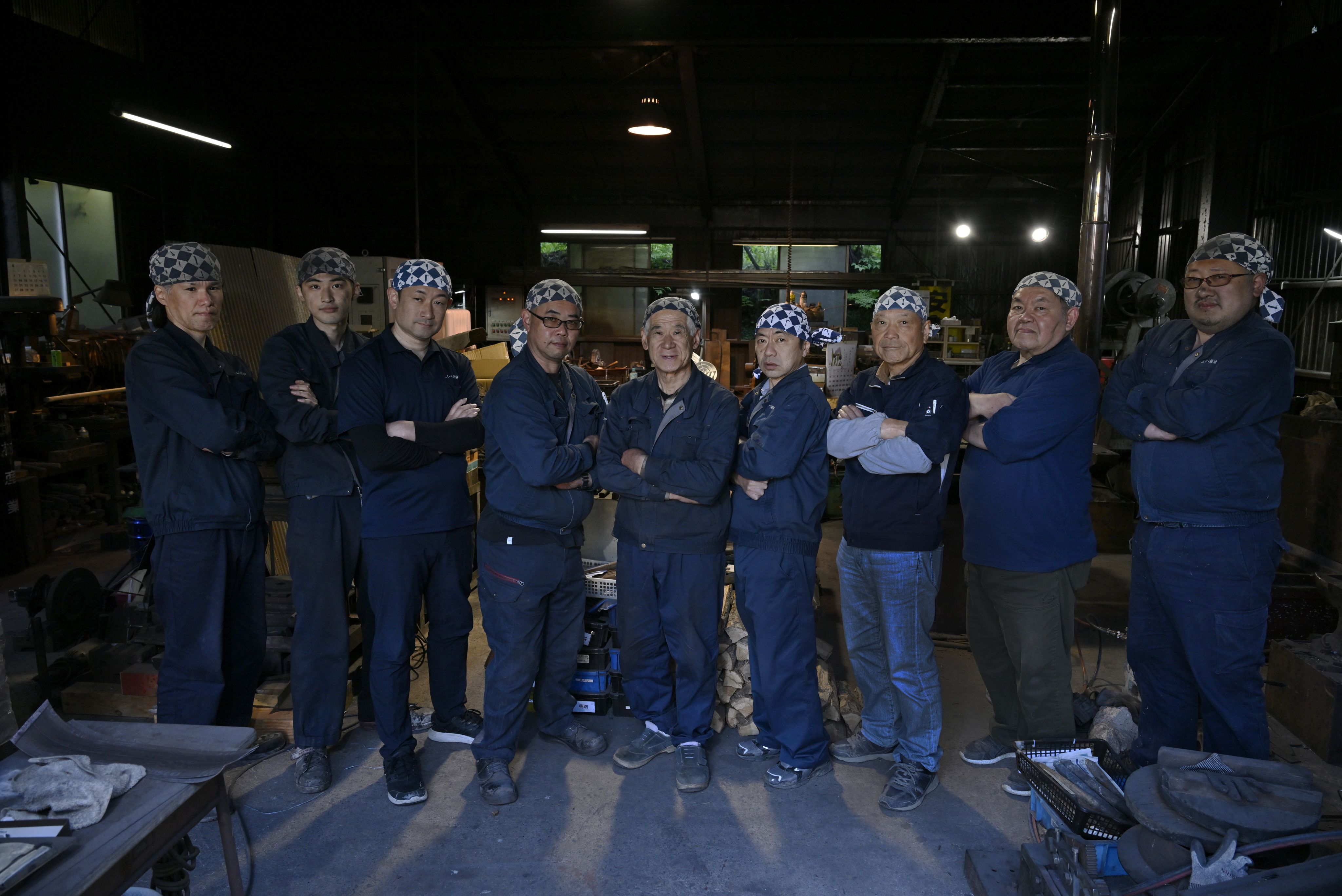
A craftsman at blacksmith Fukube Kaji repairs agricultural and fishing tools, continuing a tradition that supports local livelihoods, in Noto, Ishikawa Prefecture, in May 2025.
A craftsman at blacksmith Fukube Kaji repairs agricultural and fishing tools, continuing a tradition that supports local livelihoods, in Noto, Ishikawa Prefecture, in May 2025.
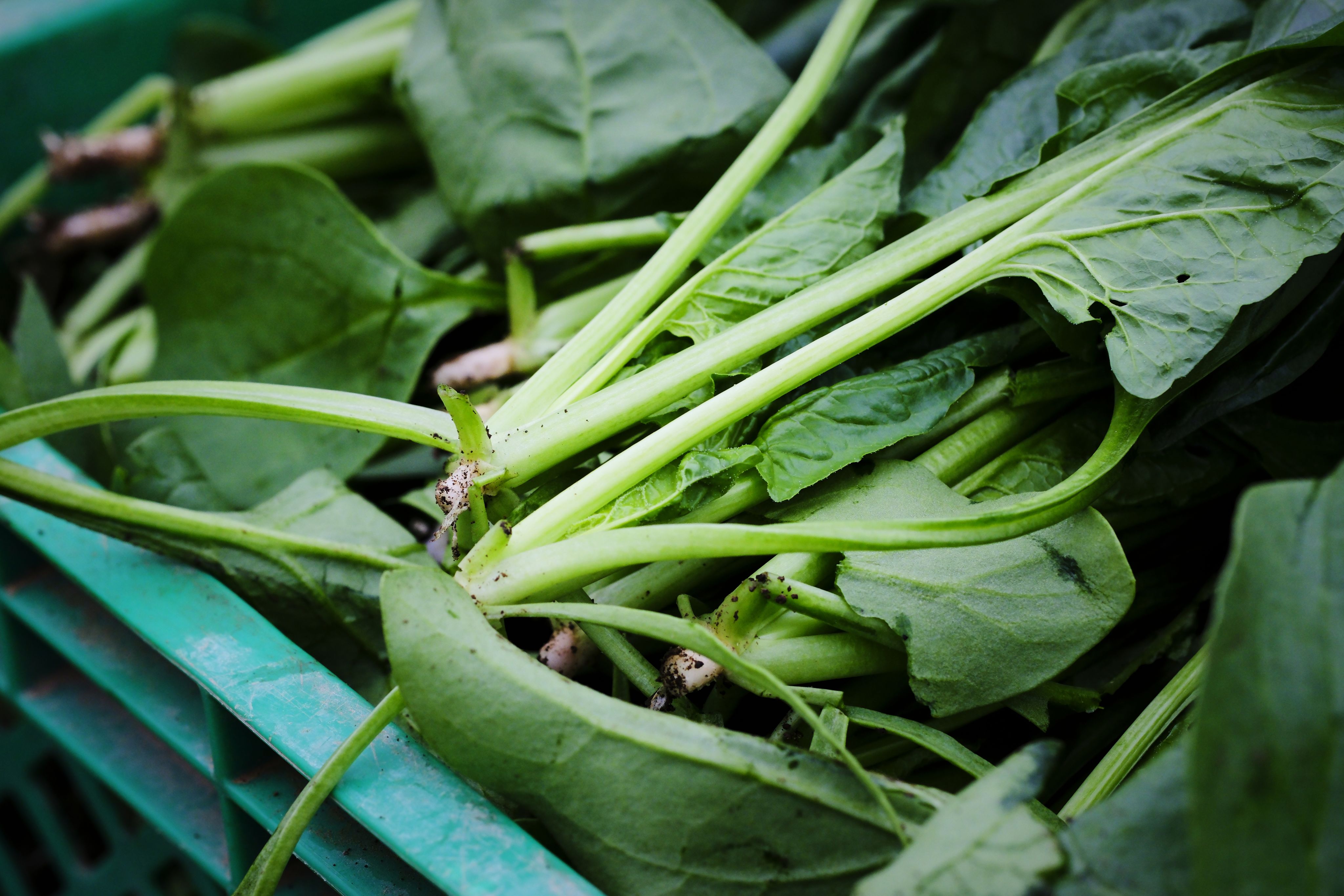
In Wajima, spinach farmer Chiyoe Ikeguchi, 76, returned to her fields this spring after the earthquake and heavy rains destroyed her family home and much of her farm. Though harvests are now half of pre-disaster levels, new greenhouses hold young leaves once again.


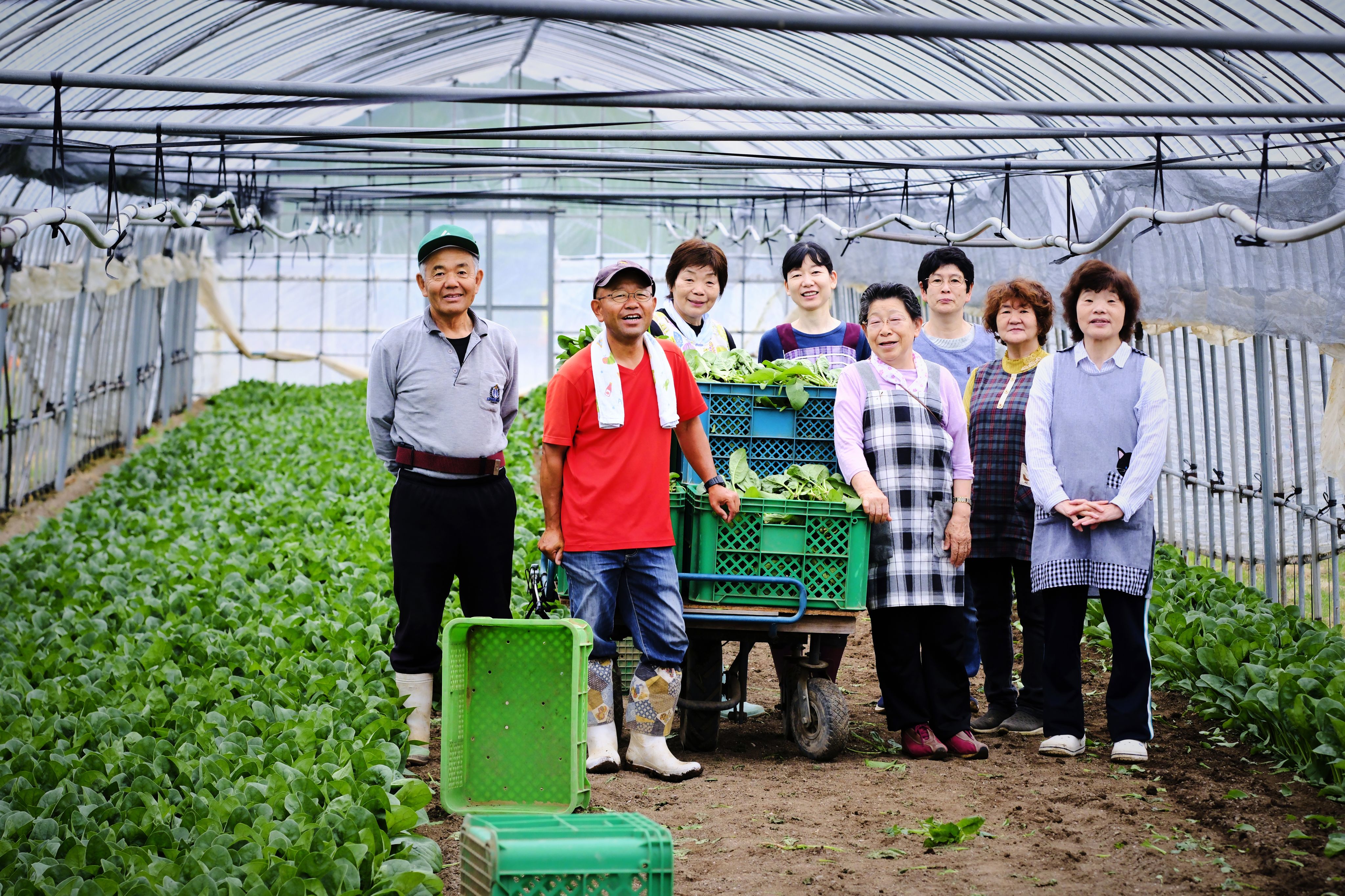
Chiyoe Ikeguchi (4th from R) poses with her family and employees in a spinach field in Wajima, Ishikawa Prefecture, in June 2025.
Chiyoe Ikeguchi (4th from R) poses with her family and employees in a spinach field in Wajima, Ishikawa Prefecture, in June 2025.
In Ushitsu, the Abare Festival lights up the port town. Giant kiriko lanterns surge under blazing torches, a 350-year-old tradition carried forward even after many summer festivals in Noto were canceled. As population outflow accelerates, participants say the festival remains essential for keeping hearts connected.

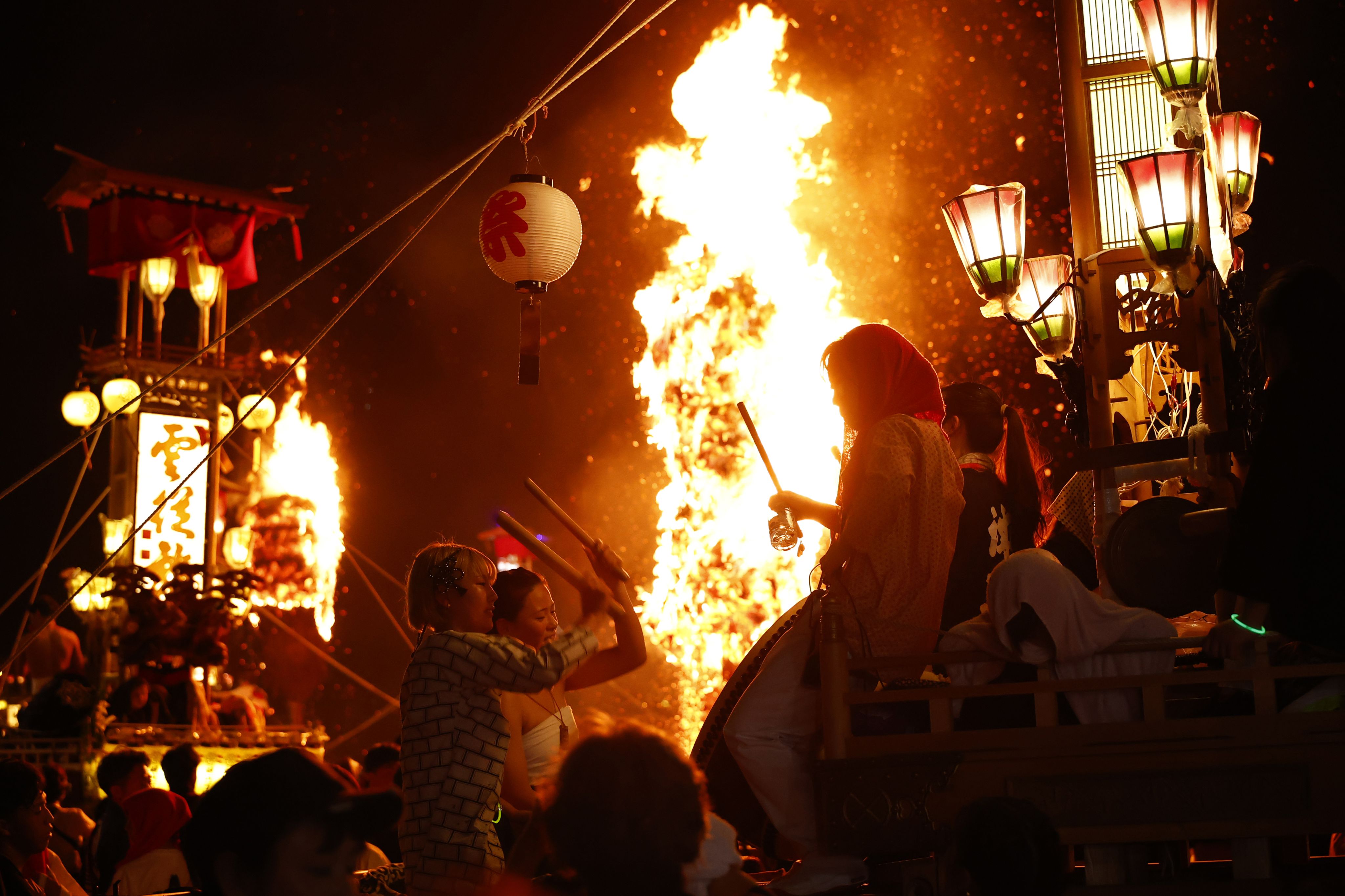

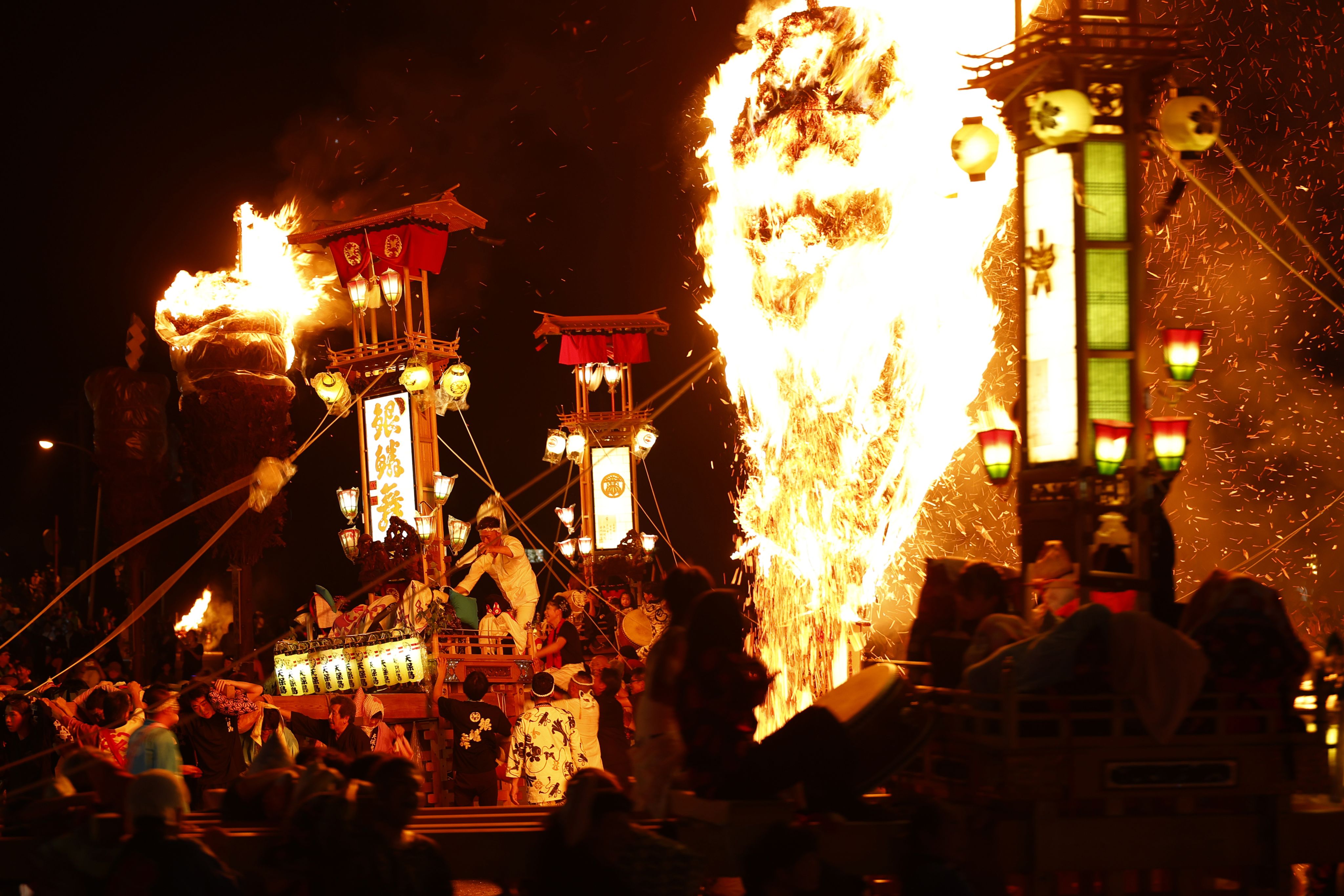
Giant kiriko lanterns surge and sway amid during the Abare Festival in Noto, Ishikawa Prefecture, in July 2025.
Giant kiriko lanterns surge and sway amid during the Abare Festival in Noto, Ishikawa Prefecture, in July 2025.
Around Noto Island, wild Indo-Pacific bottlenose dolphins continue to swim in Nanao Bay. They settled here around 2001 and are beloved as symbols of the island. Guesthouse owner Naoto Ishida, whose business was halted by the earthquake, resumed dolphin tours last year as visitors slowly returned.



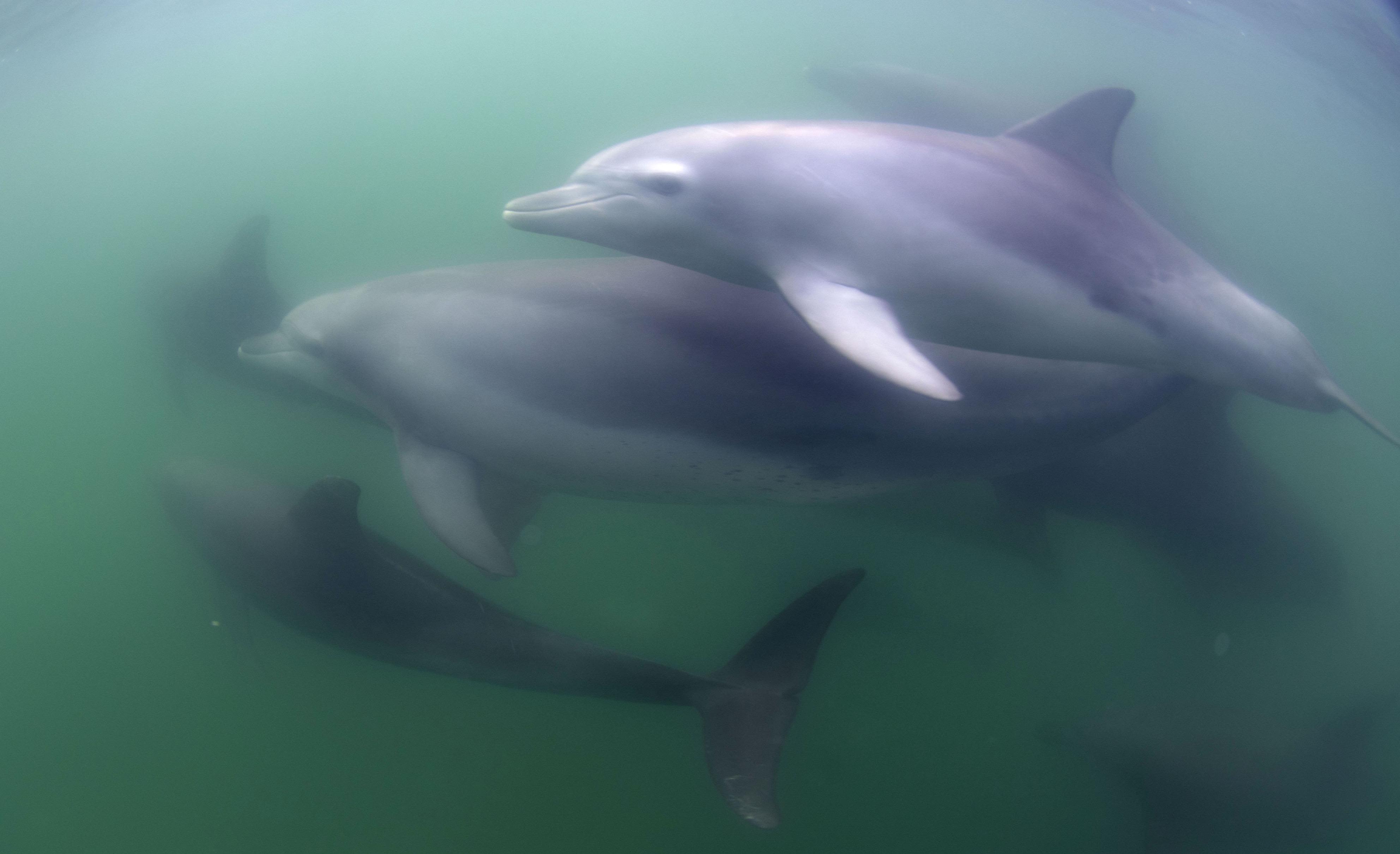
Wild bottlenose dolphins glide through the clear blue waters surrounding Noto Island in Nanao, Ishikawa Prefecture, in August 2025.
Wild bottlenose dolphins glide through the clear blue waters surrounding Noto Island in Nanao, Ishikawa Prefecture, in August 2025.
At the Shiroyone Senmaida rice terraces, 1,004 paddies stretch along the coast. After damage from the earthquake and record-breaking rains, volunteers restored enough land for about 250 paddies to be planted this year.

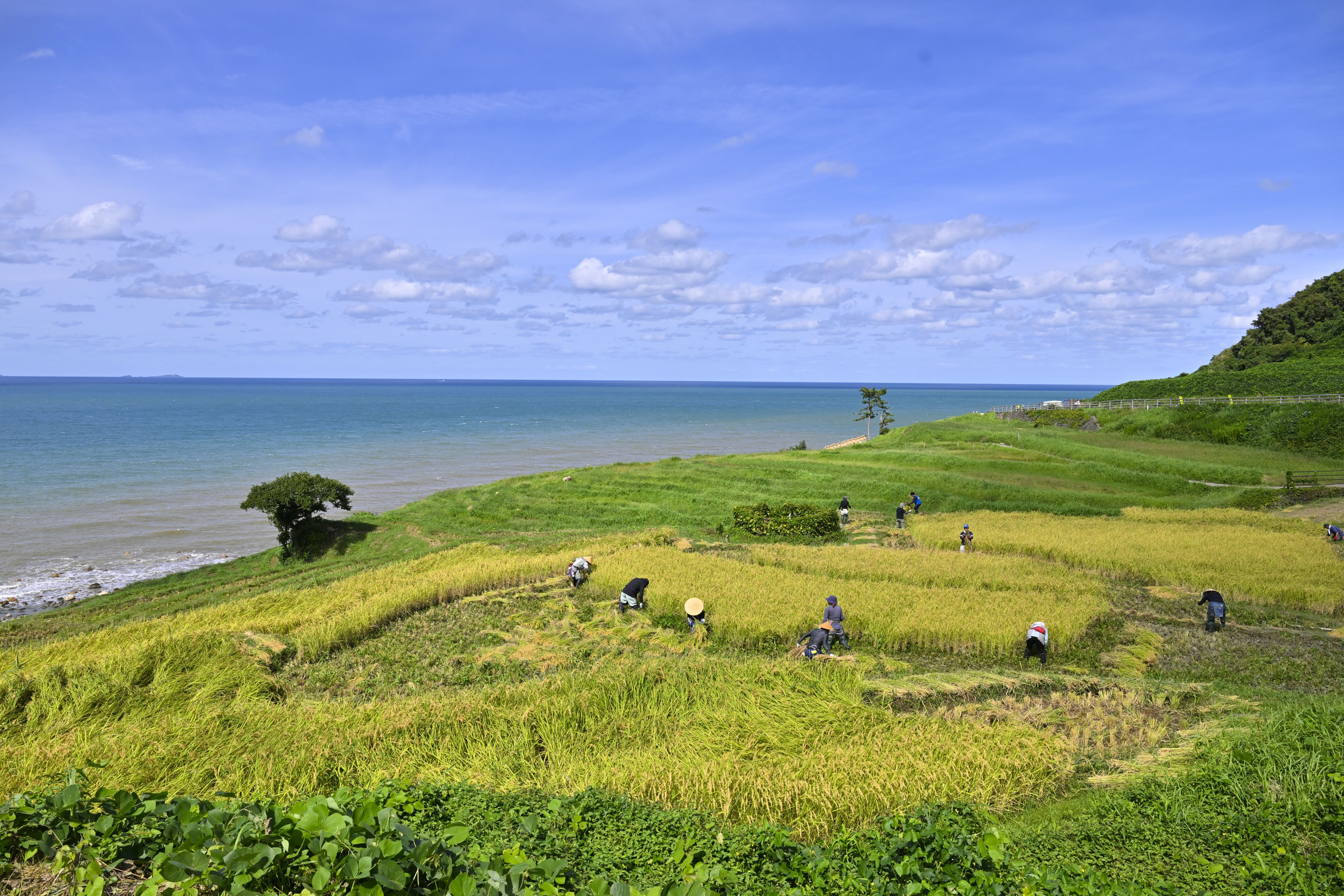

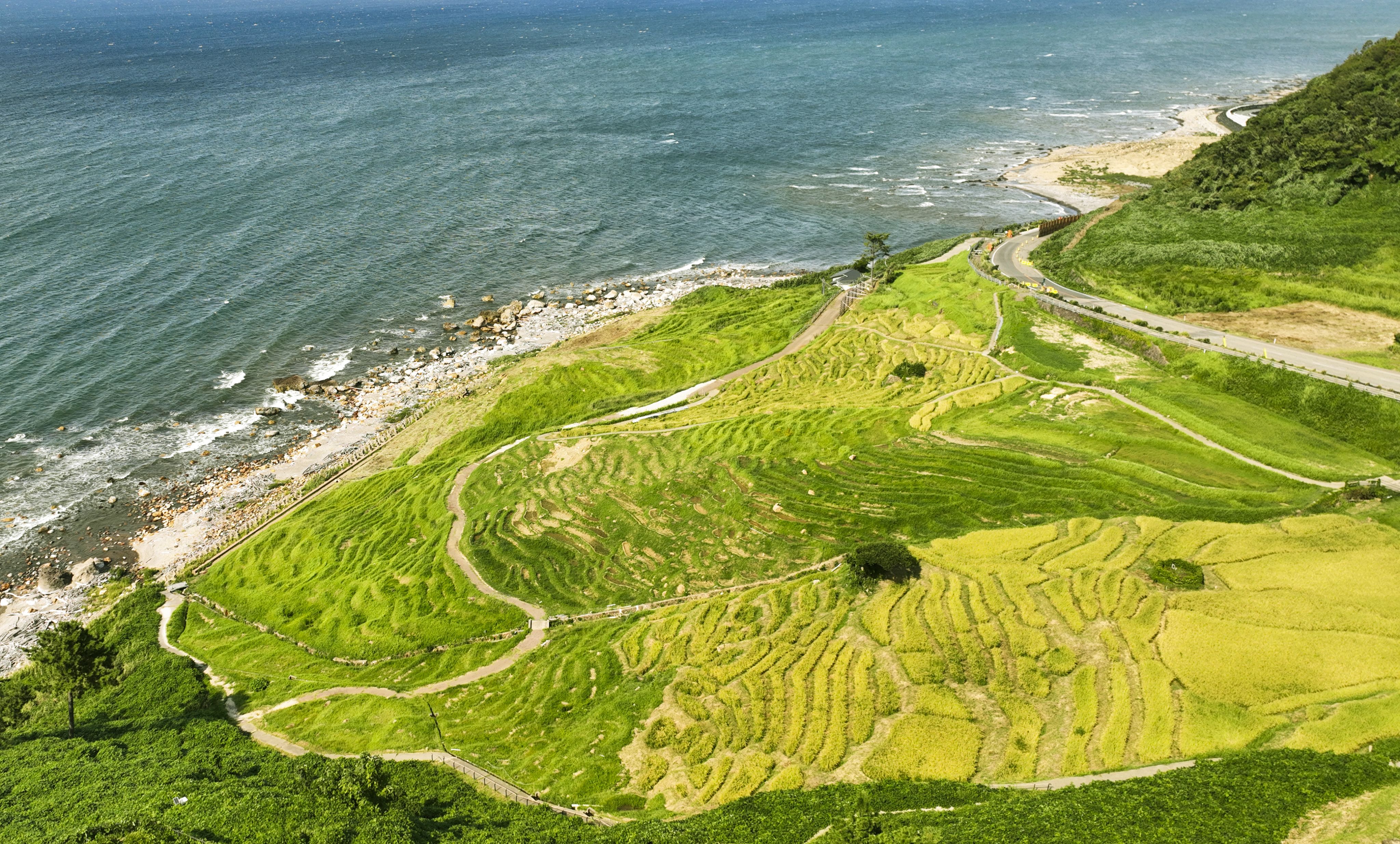
A photo from a drone shows the Shiroyone Senmaida rice terraces glow with golden ears of rice, marking the autumn harvest in Wajima, Ishikawa Prefecture, in September 2025
A photo from a drone shows the Shiroyone Senmaida rice terraces glow with golden ears of rice, marking the autumn harvest in Wajima, Ishikawa Prefecture, in September 2025
In Suzu, artisan Seijiro Ura practices the 400-year-old "agehama-shiki" method of salt making. Though production has declined due to ground uplift, power outages, and heavy rains, he continues working to preserve the tradition.

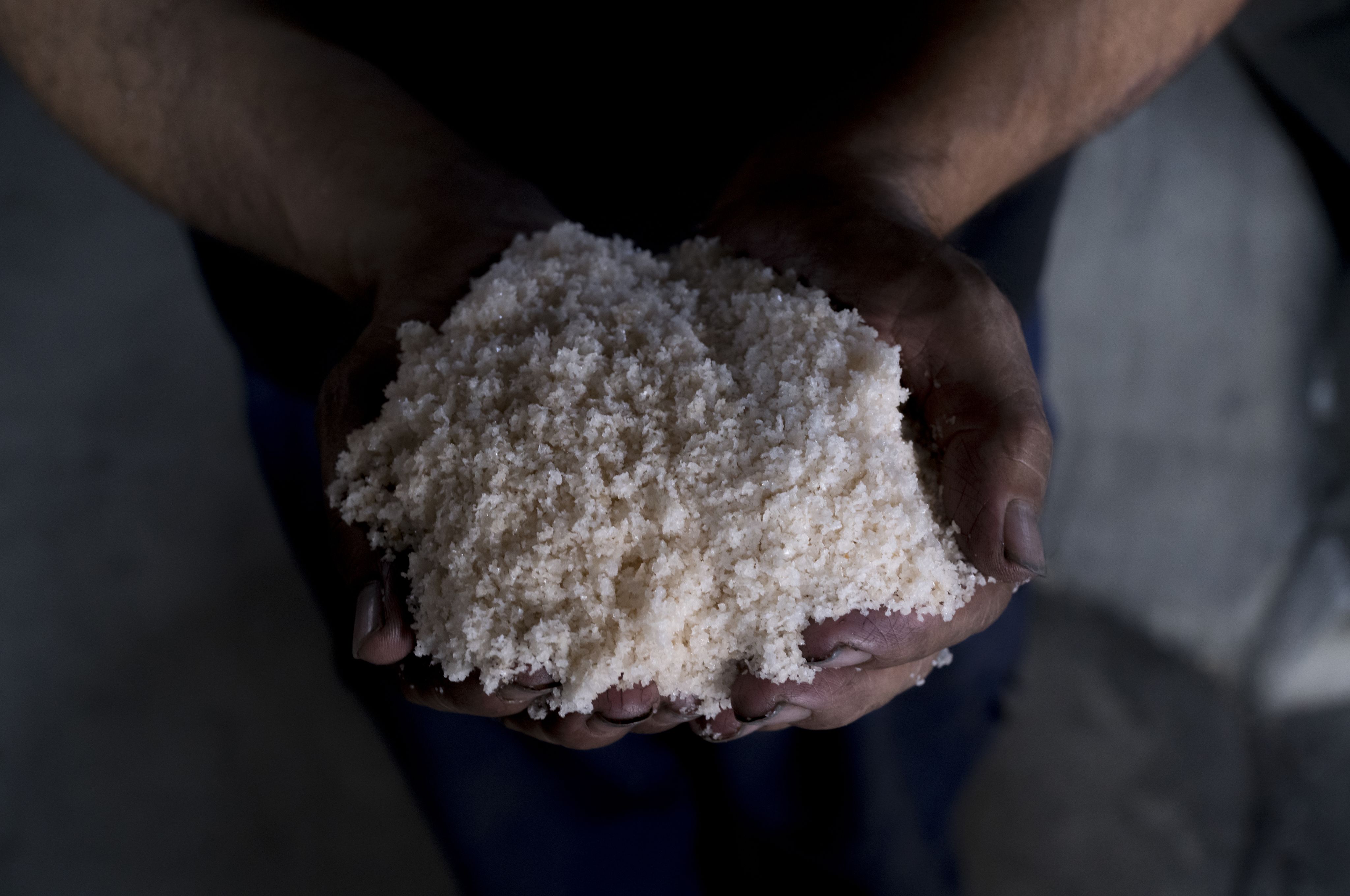
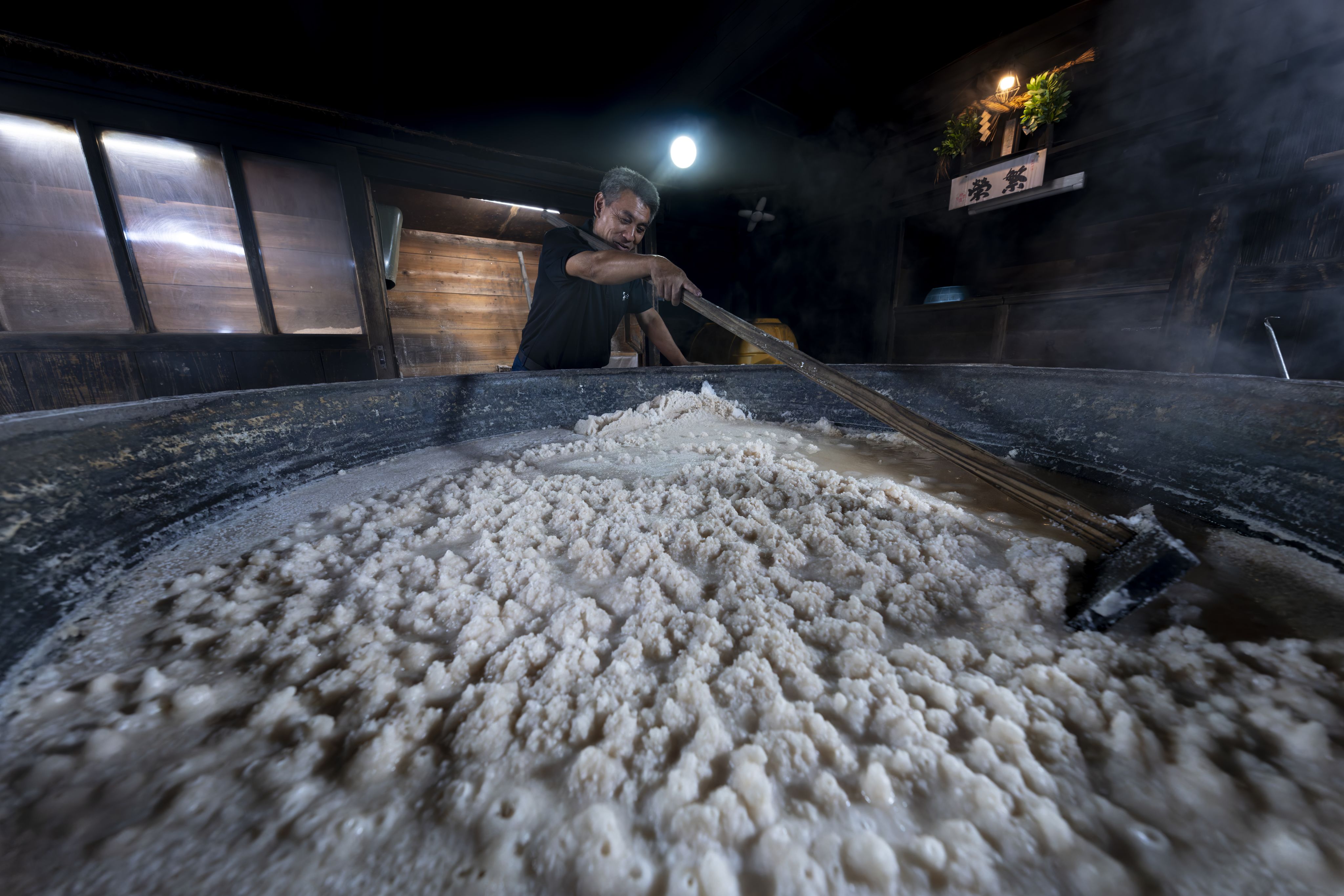
Seijiro Ura gathers salt from a boiling cauldron, continuing the centuries-old "agehama-shiki" tradition in Suzu, Ishikawa Prefecture, in October 2025.
Seijiro Ura gathers salt from a boiling cauldron, continuing the centuries-old "agehama-shiki" tradition in Suzu, Ishikawa Prefecture, in October 2025.
Photos : Kasumi Fukudome, Kota Endo, Natsumi Yasumoto, Takuto Kaneko, Yohei Fukai, Yusuke Ogata, Muneyuki Tomari
※Cover Photo : A Noto Railway train passes a row of cherry blossom trees in full bloom along the tracks in Nanao, Ishikawa Prefecture, April 2025.
Other Spotlight Japan Stories


Nagano wine valley channels pioneering spirit to attract visitors
In the Chikumagawa Wine Valley, the up-and-coming region of Nagano wine, winemakers are channeling a pioneering spirit to reveal the region’s potential and draw visitors in deeper.
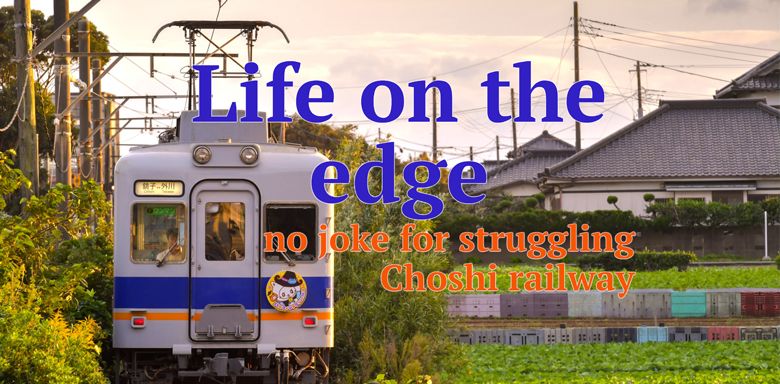
no joke for struggling Choshi railway
The unconventional approach of a struggling railway operator in Choshi, near Tokyo, to revive its fortunes is just about keeping the service on track.
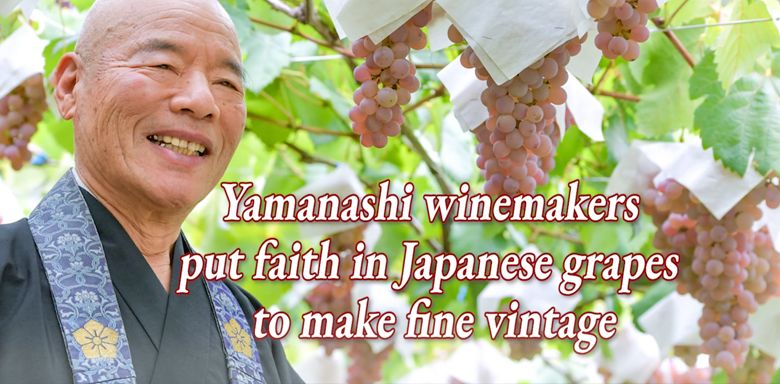
Yamanashi winemakers put faith in Japanese grapes to make fine vintage
Faith in Japanese grapes and the local terroir to produce competitive wines is strong among winemakers in central Japan’s Yamanashi Prefecture, where even a local temple makes its own tipple.
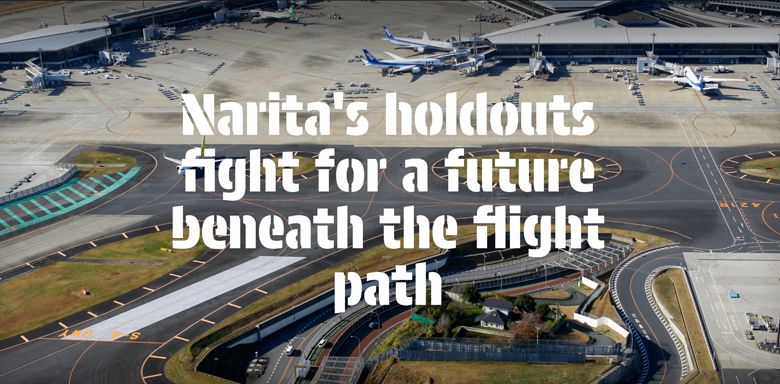
Narita's holdouts fight for a future beneath the flight path
Resembling shark fins poking above the waterline, the tails of taxiing airplanes are just visible over the tall white fence that separates Kinone Pension from the runways of Narita airport.


The Company uses Google Analytics, an access analysis tool provided by Google. Google Analytics uses cookies to track use of the Service. (Client ID / IP address / Viewing page URL / Referrer / Device type / Operating system / Browser type / Language /Screen resolution) Users can prevent Google Analytics, as used by the Company, from tracking their use of the Service by downloading and installing the Google Analytics opt-out add-on provided by Google, and changing the add-on settings on their browser. (https://tools.google.com/dlpage/gaoptout) For more information about how Google handles collected data: Google Analytics Terms of Service (https://policies.google.com/technologies/cookies?hl=en#types-of-cookies) Google Privacy & Terms(https://policies.google.com/privacy)
© Kyodo News. All Rights Reserved. No reproduction or republication without written permission.


 Built with Shorthand