
Illustrator Eiji Mitooka eyes grand designs for future of Japan's sightseeing trains

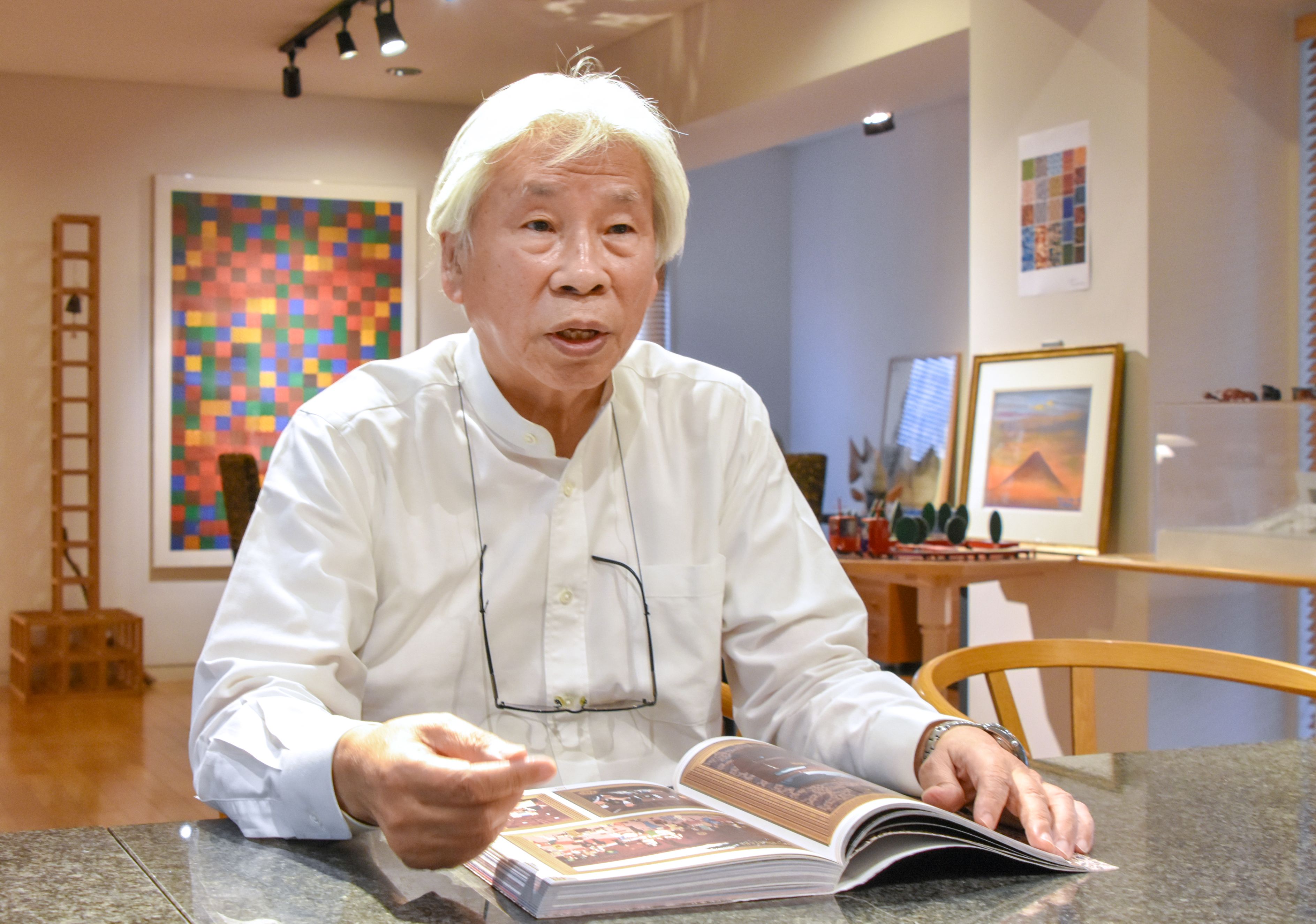
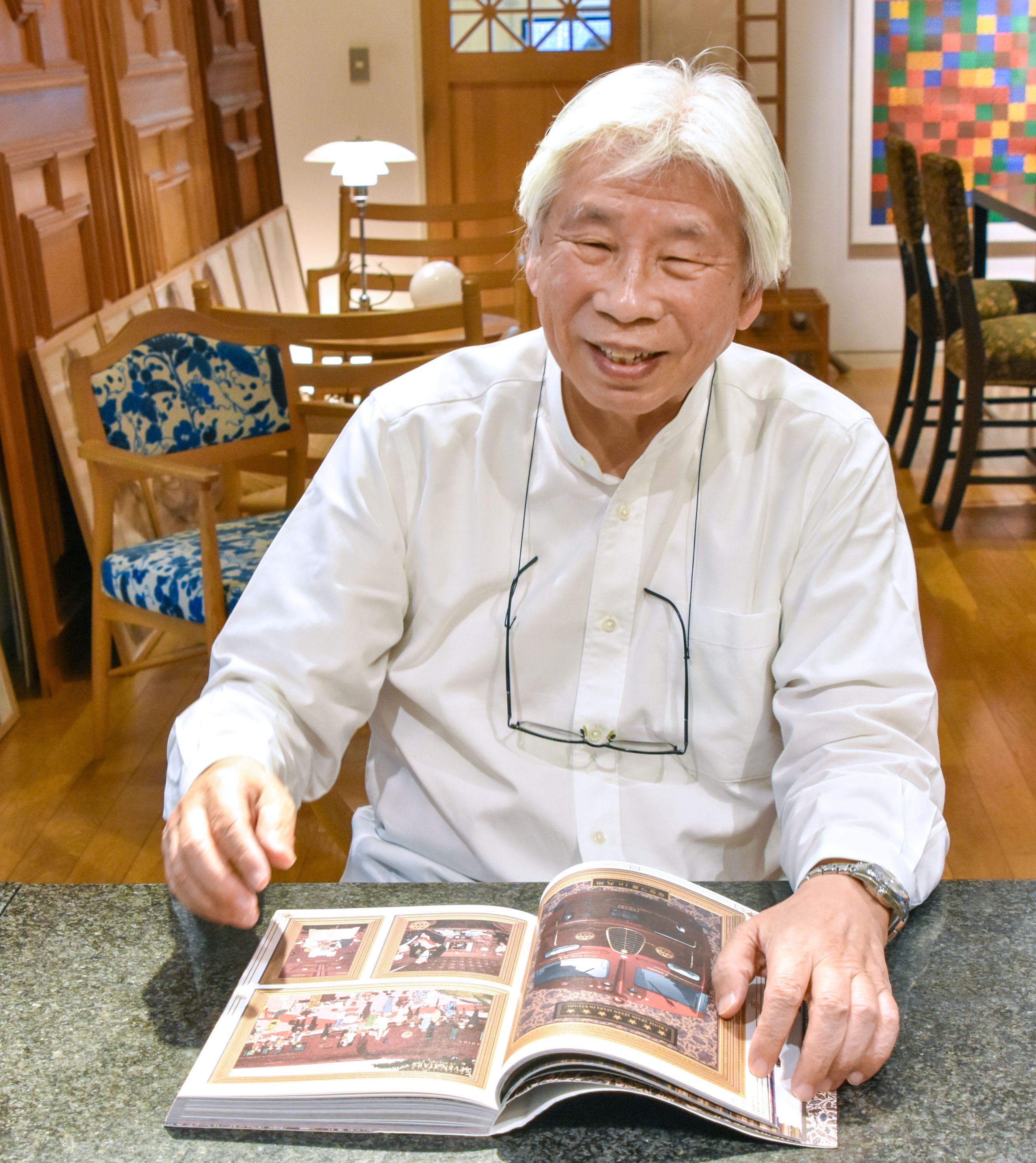
Designer and illustrator Eiji Mitooka, the creative mind behind some of Japan’s most luxurious trains, still has grand designs for the future of the country’s sightseeing railways.

Mitooka, whose design work includes luxury trains, Seven Stars in Kyushu and The Royal Express, began designing rolling stock in the late 1980s.


©Illustration by Eiji Mitooka and Don Design Associates.
©Illustration by Eiji Mitooka and Don Design Associates.
Seeking to revive its fortunes following the privatization of Japanese National Railways, struggling operator Kyushu Railway Co., Mitooka says, gave him plenty of freedom for his first train project, the now-retired Aqua Express which went into service in 1988.
More than three decades later, Mitooka, 78, is showing no signs of slowing down. There is much to be done, he says, especially with regional railways in some parts of Japan facing closure.

Of the 17 railway lines, or sections of line, in Japan that were discontinued between 2014 and 2024, seven were on the northernmost main island of Hokkaido, according to data from the Ministry of Land, Infrastructure, Transport and Tourism as of April 2025.

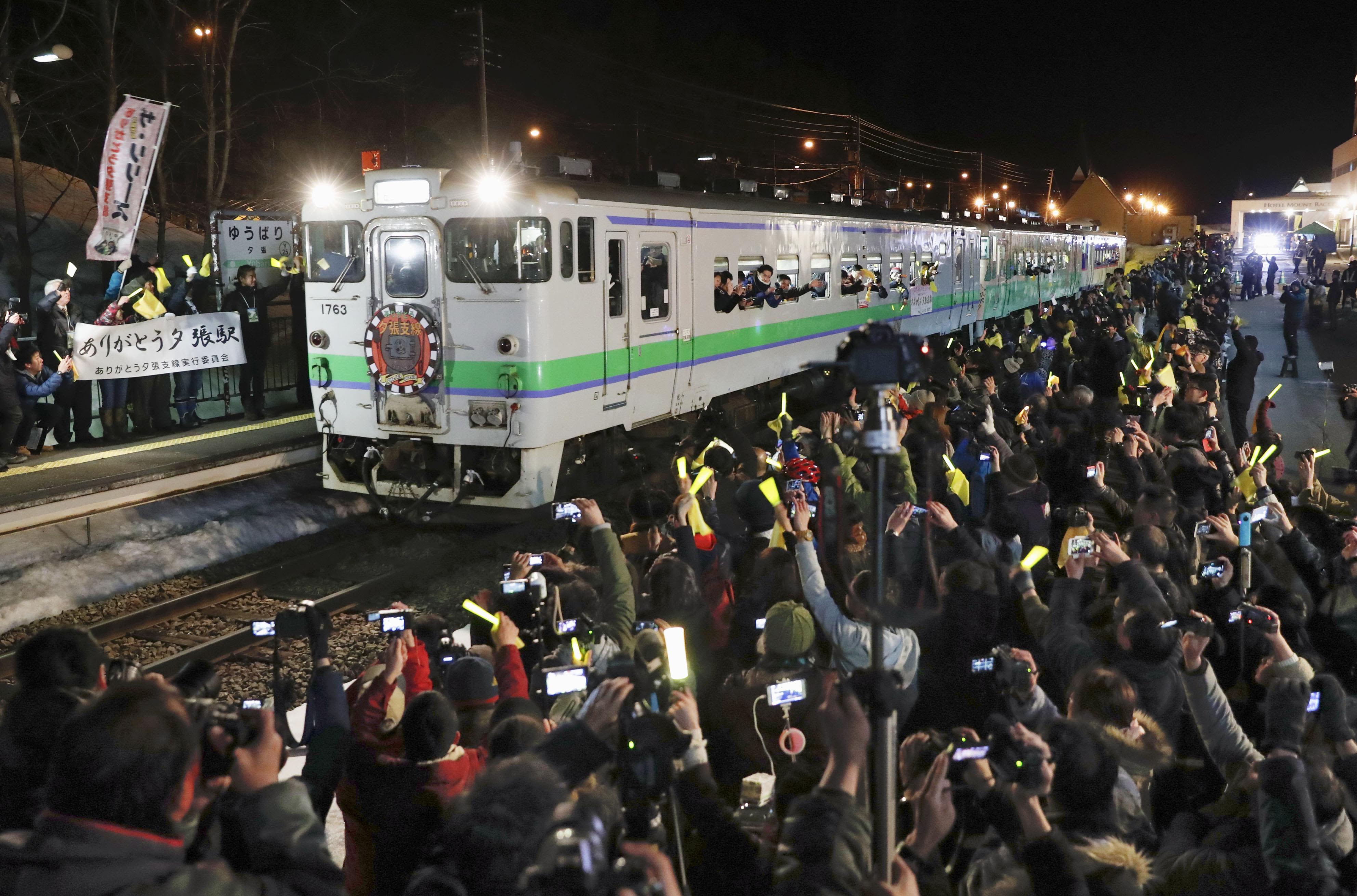
A large crowd gathers to see off the final train to depart from JR Yubari Station, in Yubari, Hokkaido, in March 2019. (Kyodo)
A large crowd gathers to see off the final train to depart from JR Yubari Station, in Yubari, Hokkaido, in March 2019. (Kyodo)
It was with a sense of urgency that Mitooka presented his ideas for two new sightseeing trains in Hokkaido in an effort to halt the trend of discontinuing services.

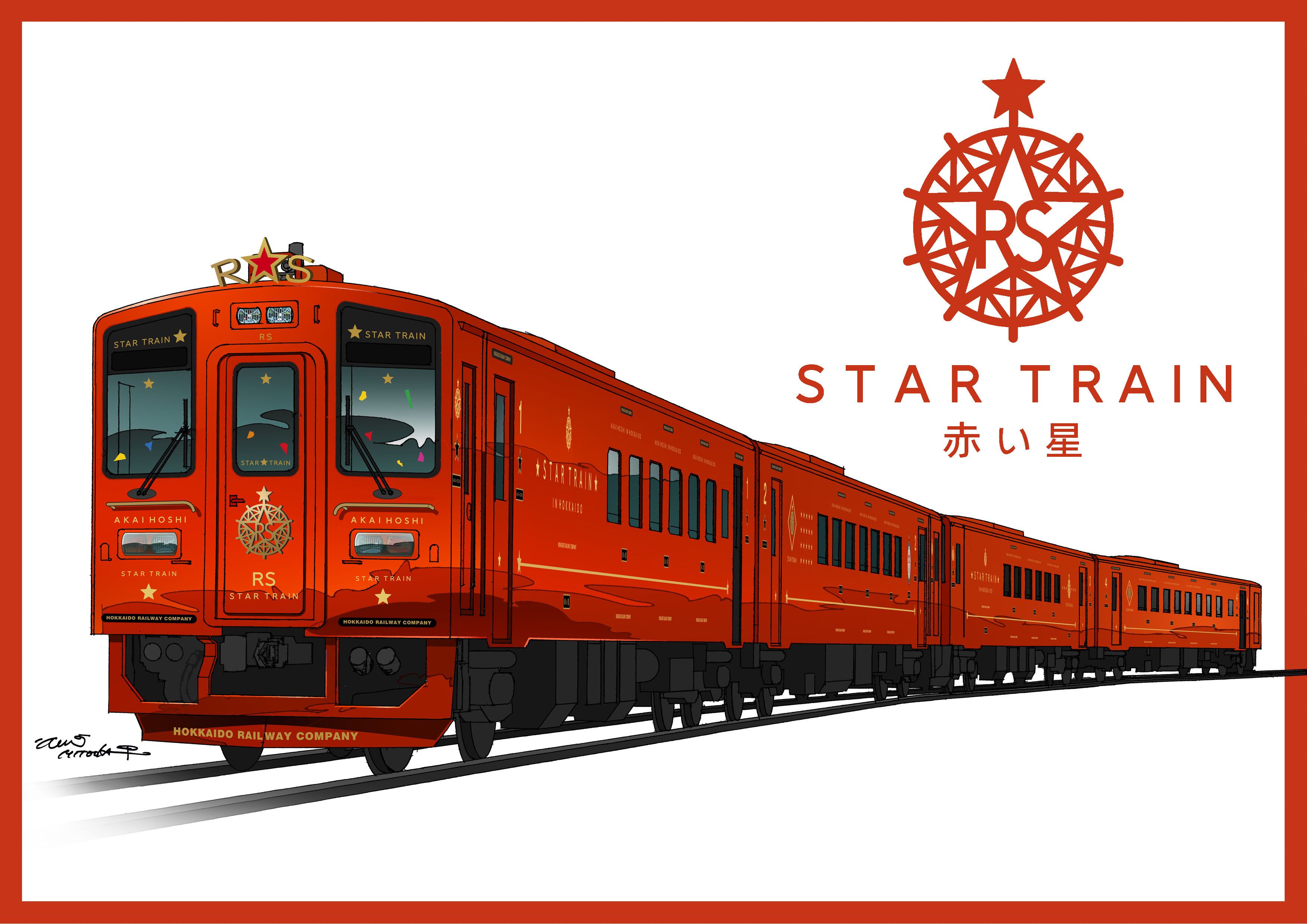
Illustration by Eiji Mitooka and Don Design Associates of Hokkaido Railway Co.’s Red Star sightseeing train. (Courtesy of Hokkaido Railway Co.)
Illustration by Eiji Mitooka and Don Design Associates of Hokkaido Railway Co.’s Red Star sightseeing train. (Courtesy of Hokkaido Railway Co.)
Operator Hokkaido Railway Co. said in August it plans to launch the Mitooka-designed Red Star and Blue Star sightseeing trains in 2027. Services are due to begin with the Red Star train in February, on a route between JR Sapporo and Abashiri stations.

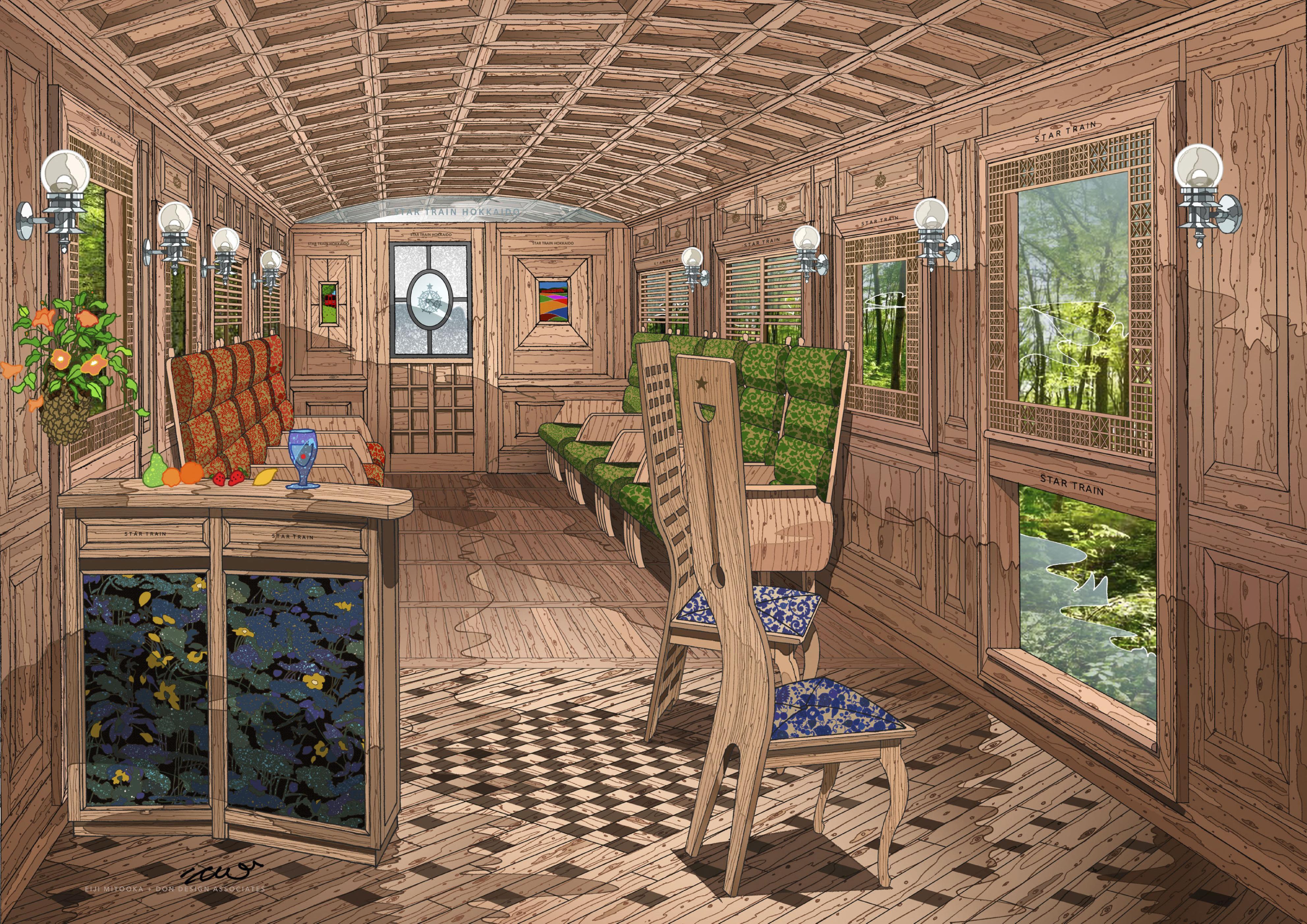
Illustration by Eiji Mitooka and Don Design Associates of the interior of Hokkaido Railway Co.’s Red Star sightseeing train. (Courtesy of Hokkaido Railway Co.)
Illustration by Eiji Mitooka and Don Design Associates of the interior of Hokkaido Railway Co.’s Red Star sightseeing train. (Courtesy of Hokkaido Railway Co.)
Mitooka sees Japan’s regional railways and unstaffed stations as an essential cultural asset, tracing the country’s original landscapes and revealing its development since the industrial revolution.
While some of the railways may not be profitable, he believes that in the years to come they will be needed for visitors who really want to understand Japan and its culture.

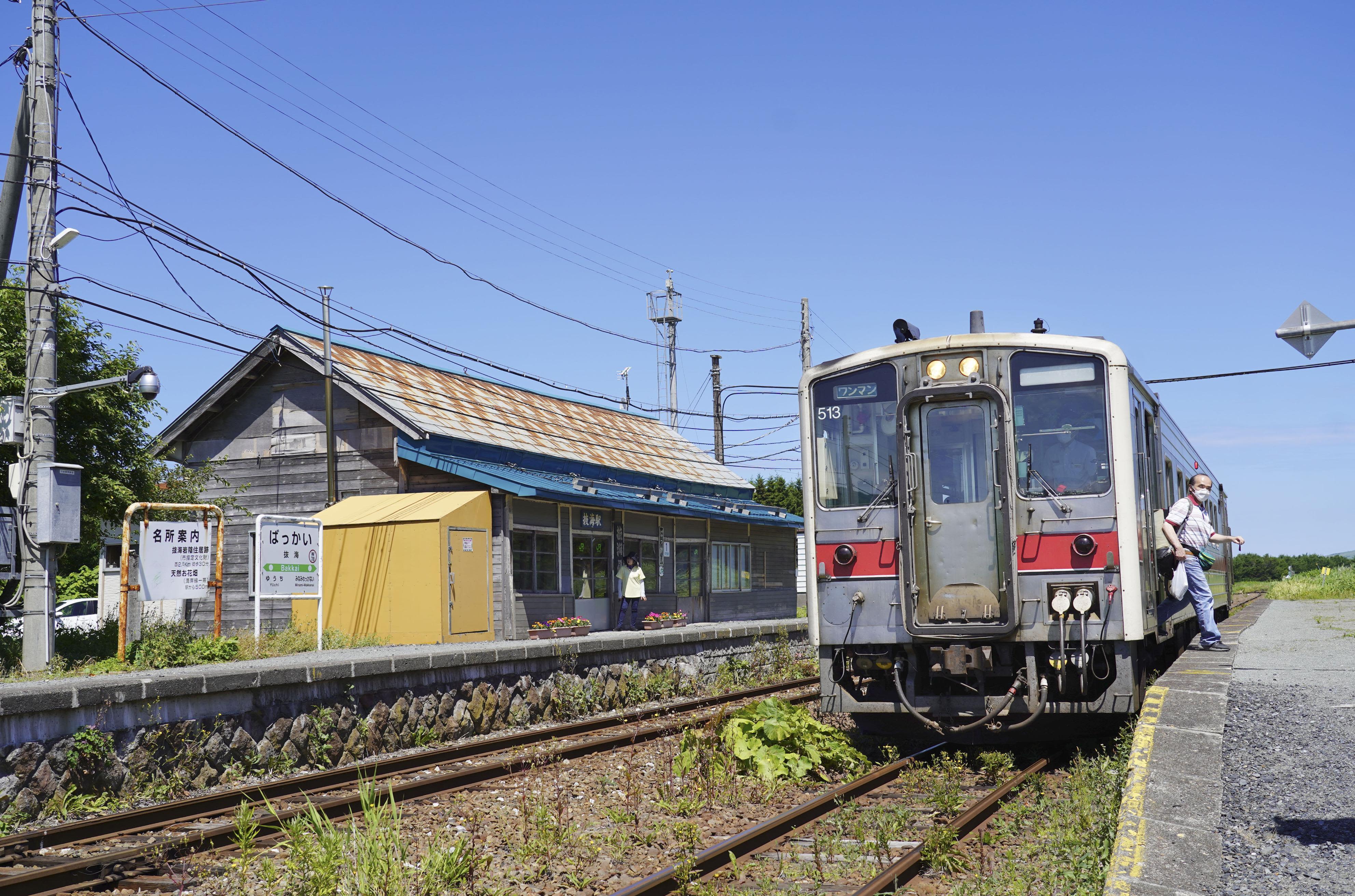
Photo taken in July 2022 shows JR Bakkai Station, on the Soya Main Line, in Wakkanai, Hokkaido. Once known as the northernmost unstaffed station in Japan, Bakkai Station was closed in March 2025. (Kyodo)
Photo taken in July 2022 shows JR Bakkai Station, on the Soya Main Line, in Wakkanai, Hokkaido. Once known as the northernmost unstaffed station in Japan, Bakkai Station was closed in March 2025. (Kyodo)
Unstaffed train stations on local lines, he says, are like gateways leading travelers back in time to unique local cultures. “These cultures are Japan's future tourism resource, but if local railways are discontinued and the stations are closed, it will be lost,” Mitooka told Japan Wire in October.

Meanwhile, Mitooka-designed luxury trains are running on track, years after they were launched.
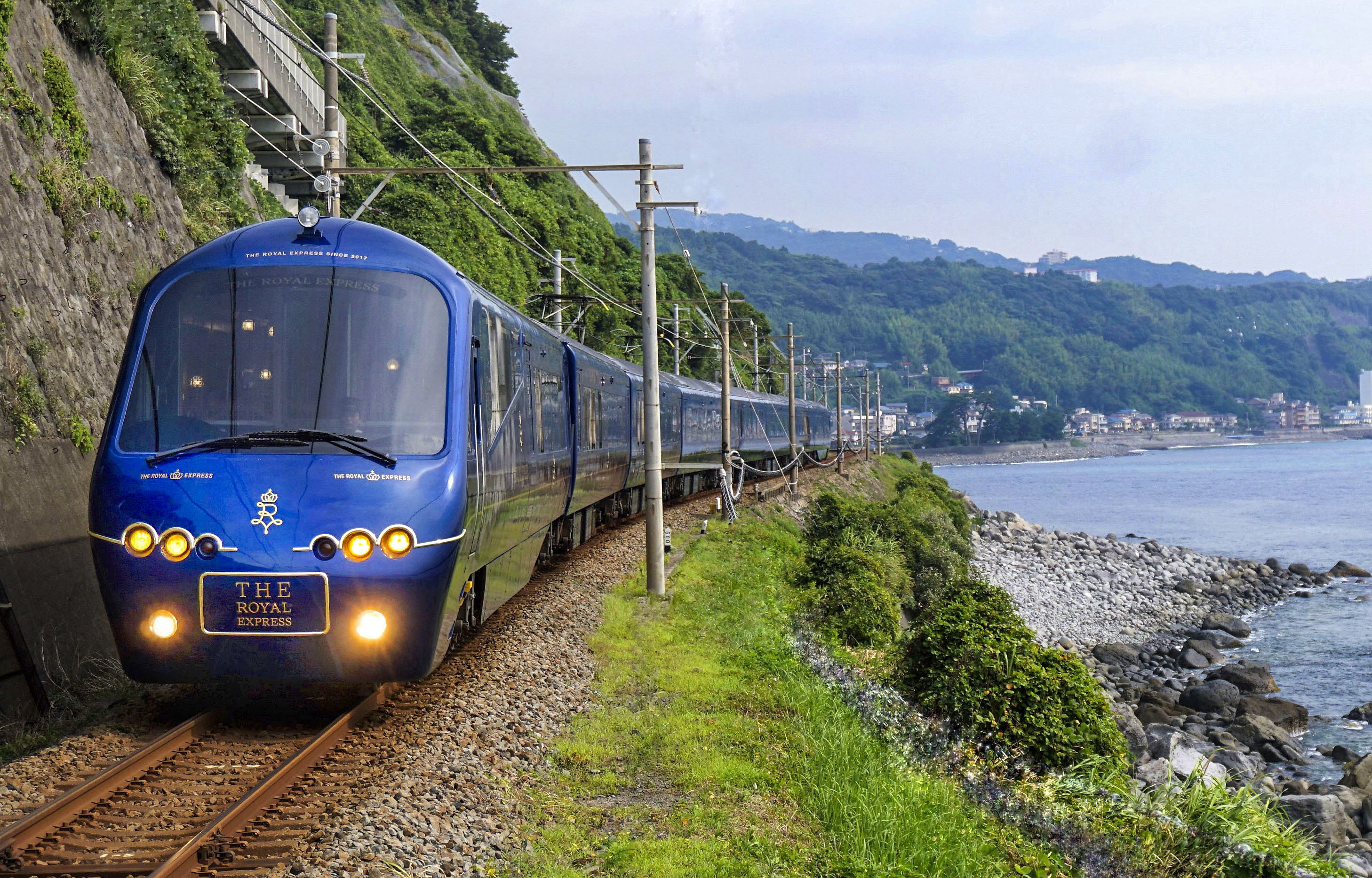
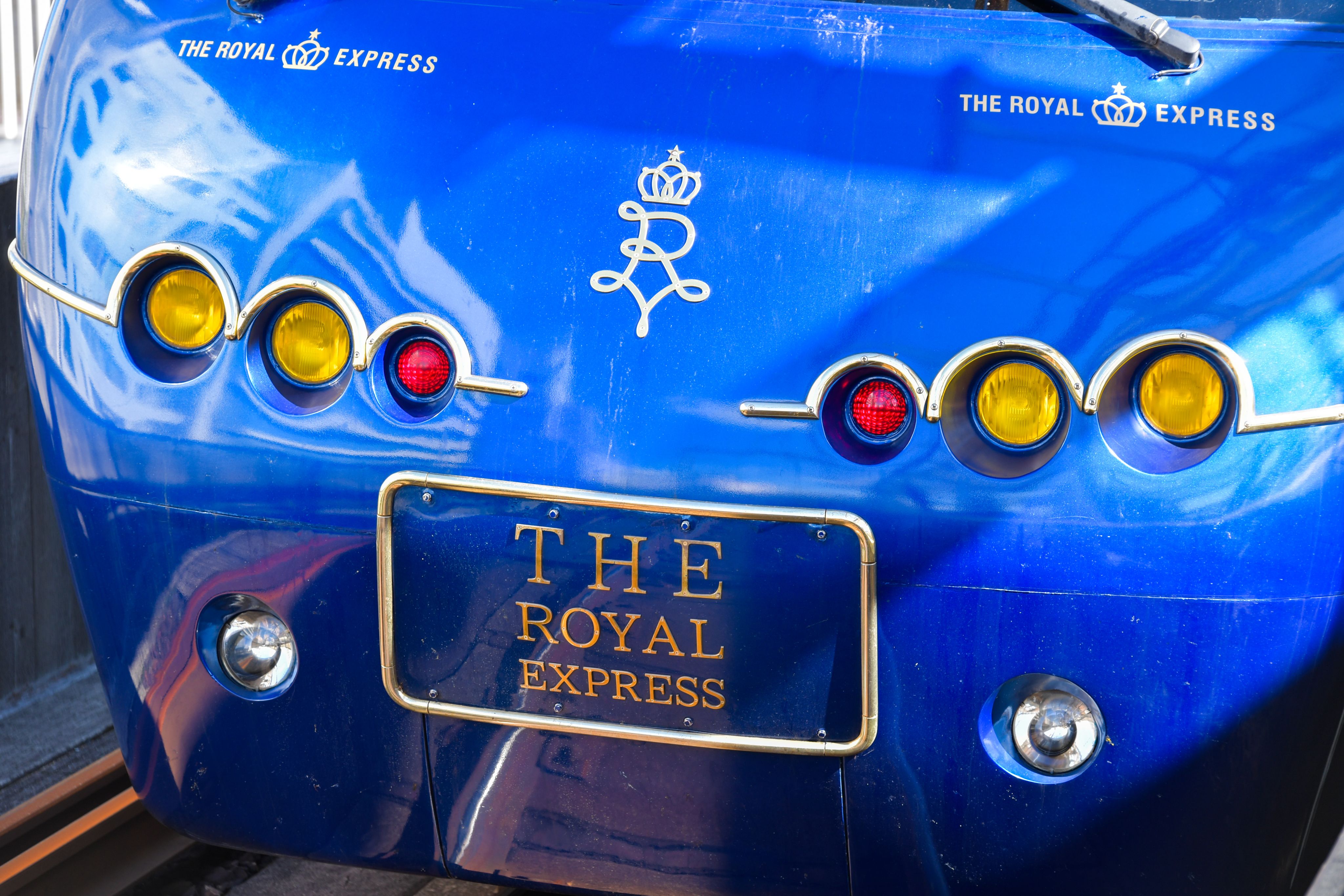
In November, Tokyu Corp.’s luxury sightseeing train The Royal Express set out on new routes, with departures also in December, jointly operated by Central Japan Railway Co., bringing the train to central Japan’s Aichi and Gifu prefectures for the first time.




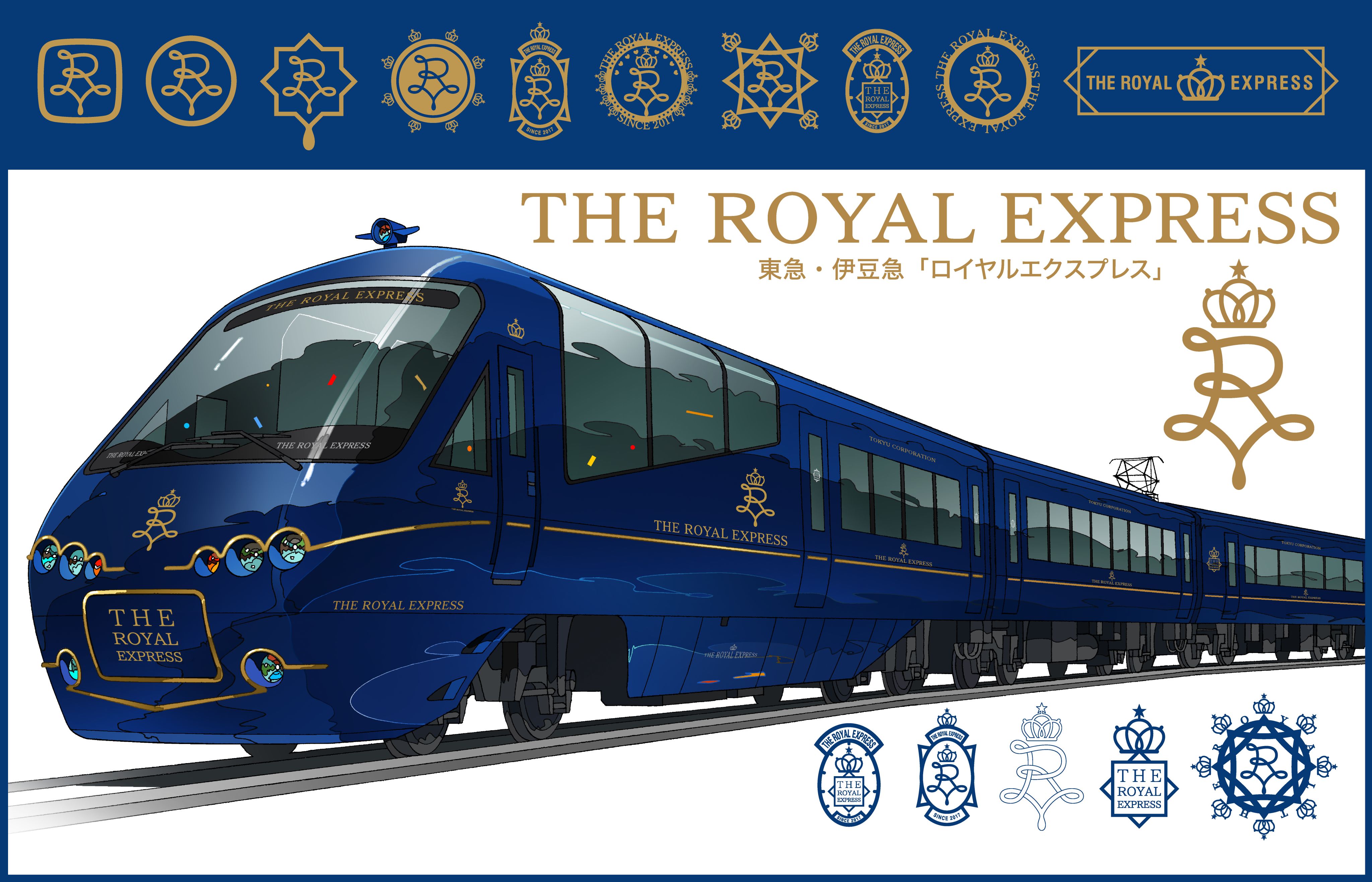
©Illustration by Eiji Mitooka and Don Design Associates.
©Illustration by Eiji Mitooka and Don Design Associates.
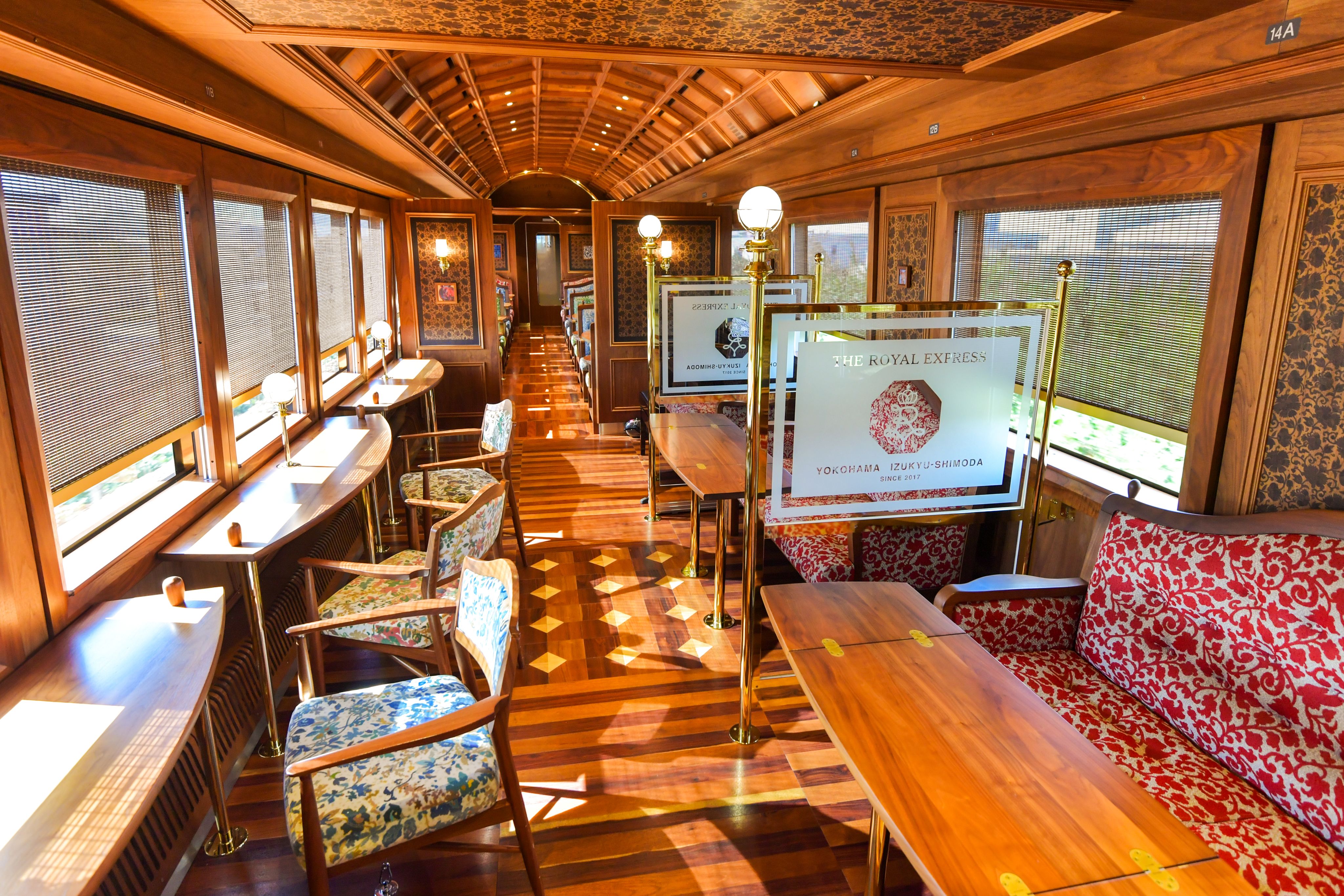
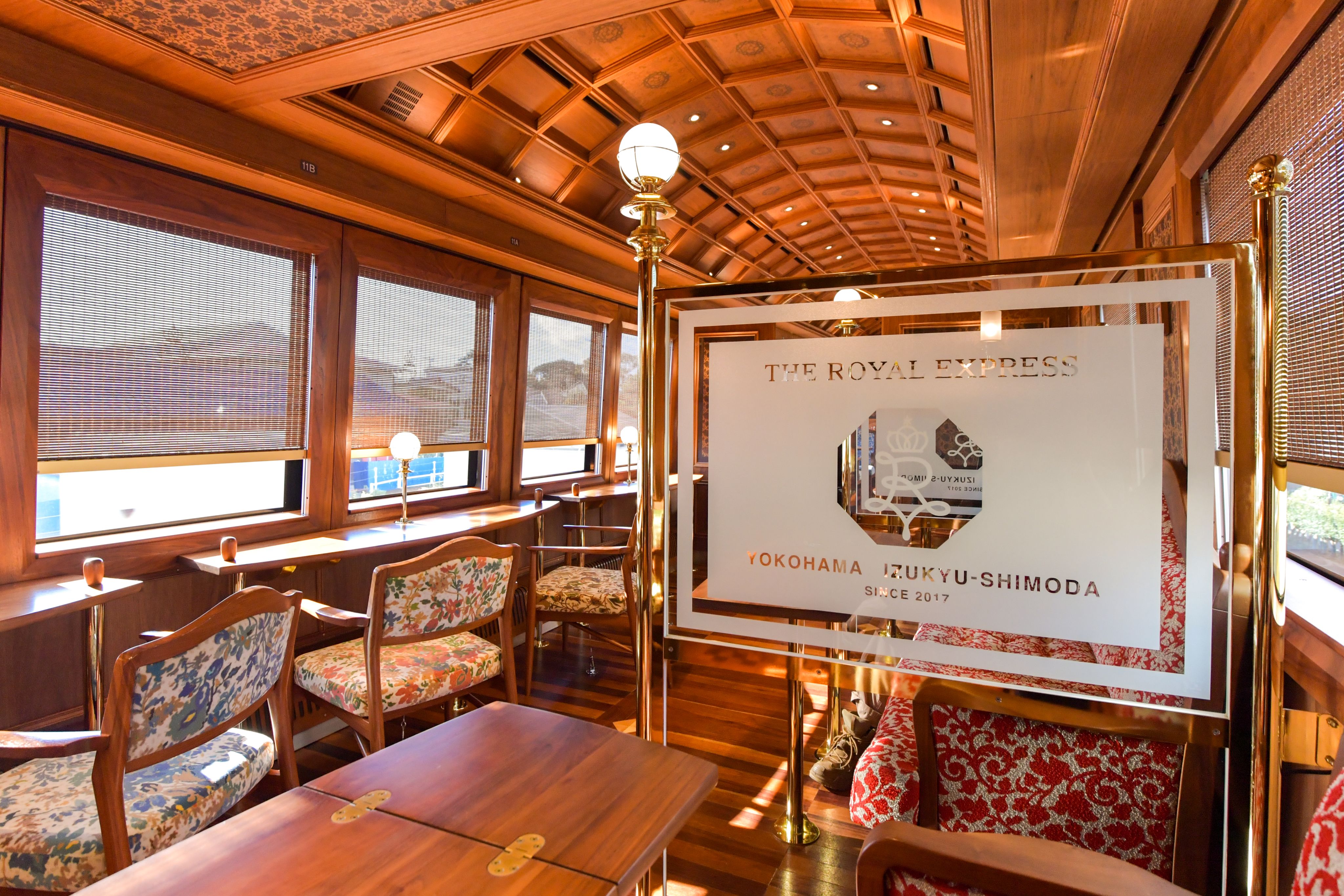
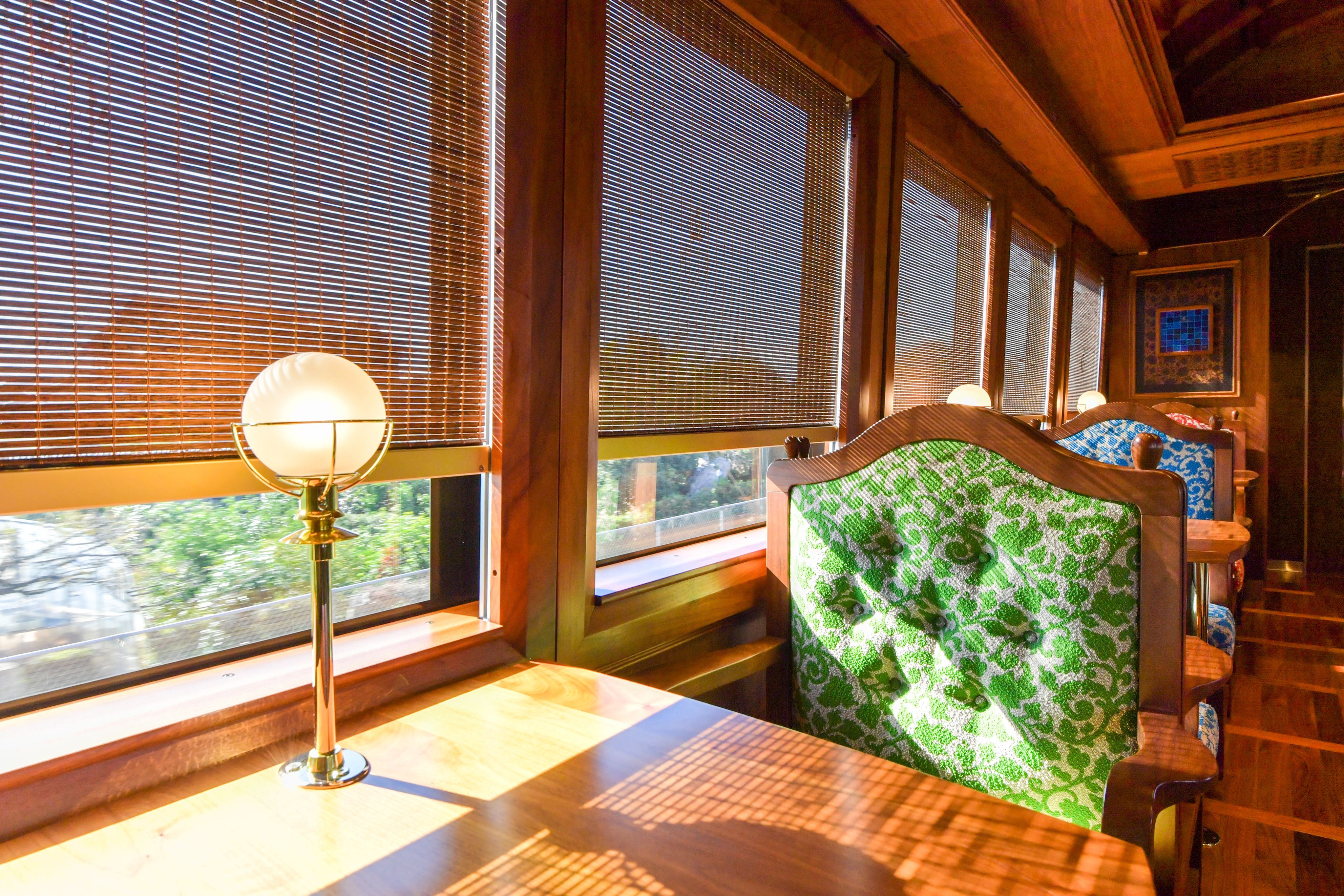
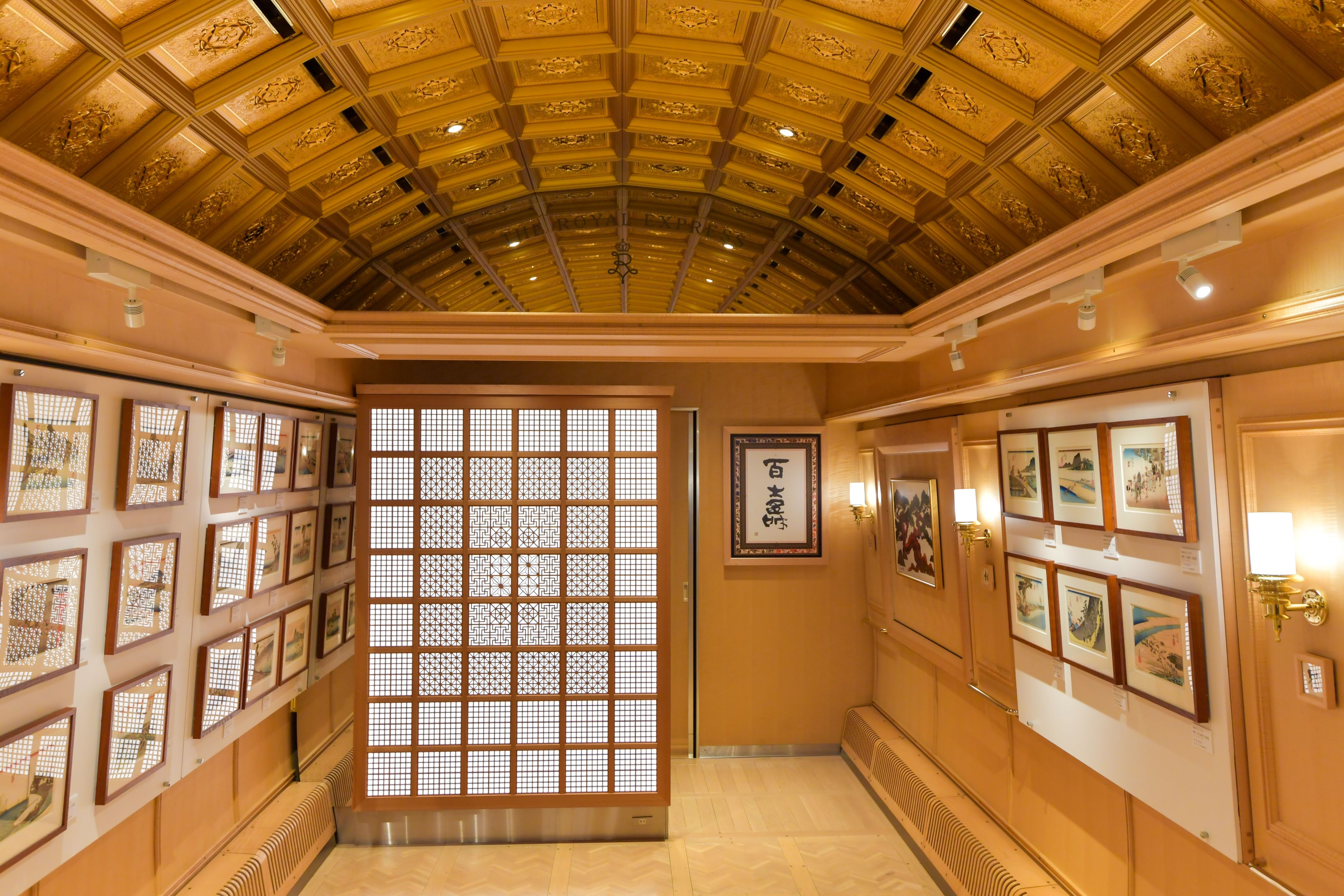
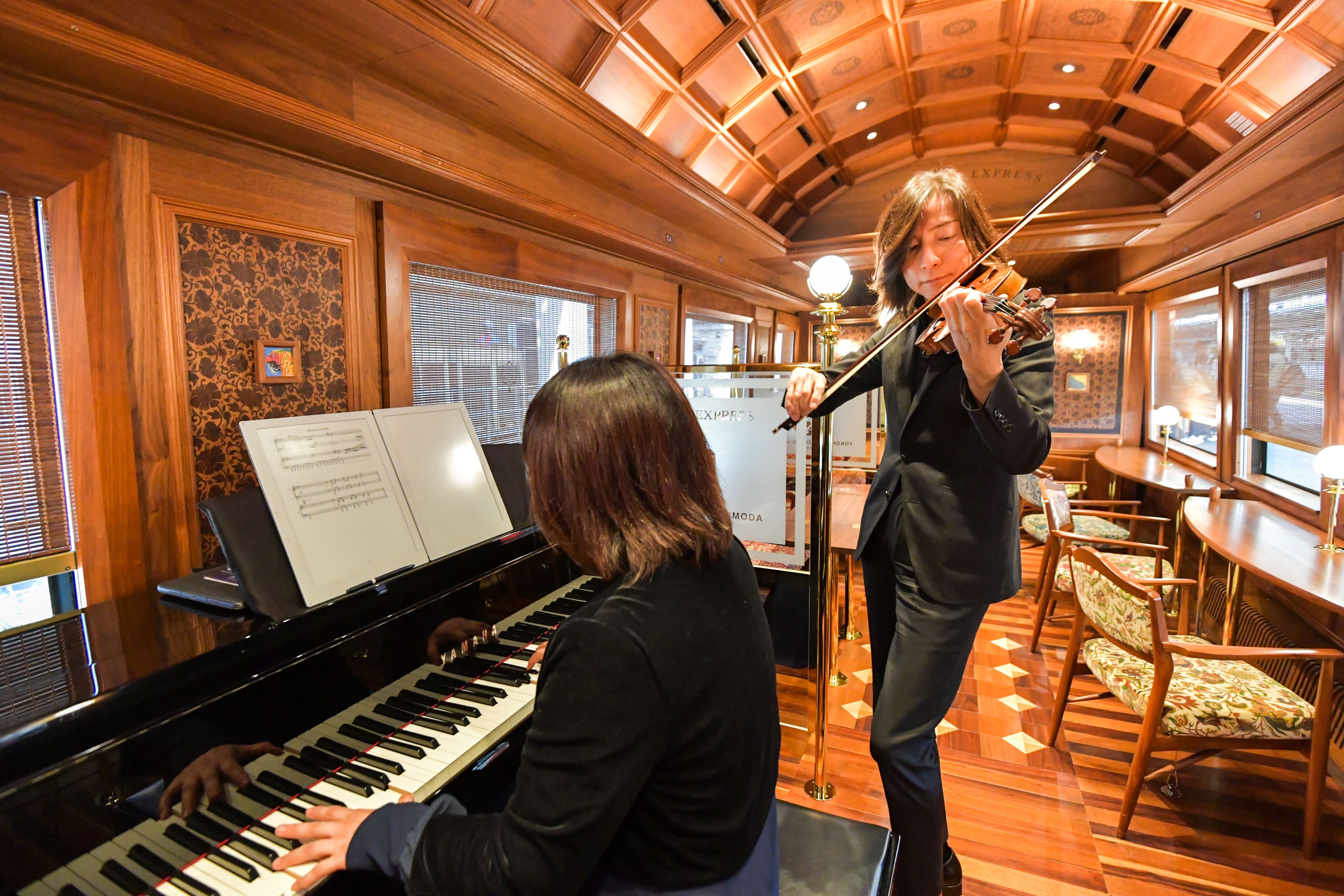
The Royal Express went into service in 2017. From the floor to the ceiling, carriage interiors are busy with elements of classic Western and Eastern design. While the lighting is warm and low, there is a lot to occupy the eyes.

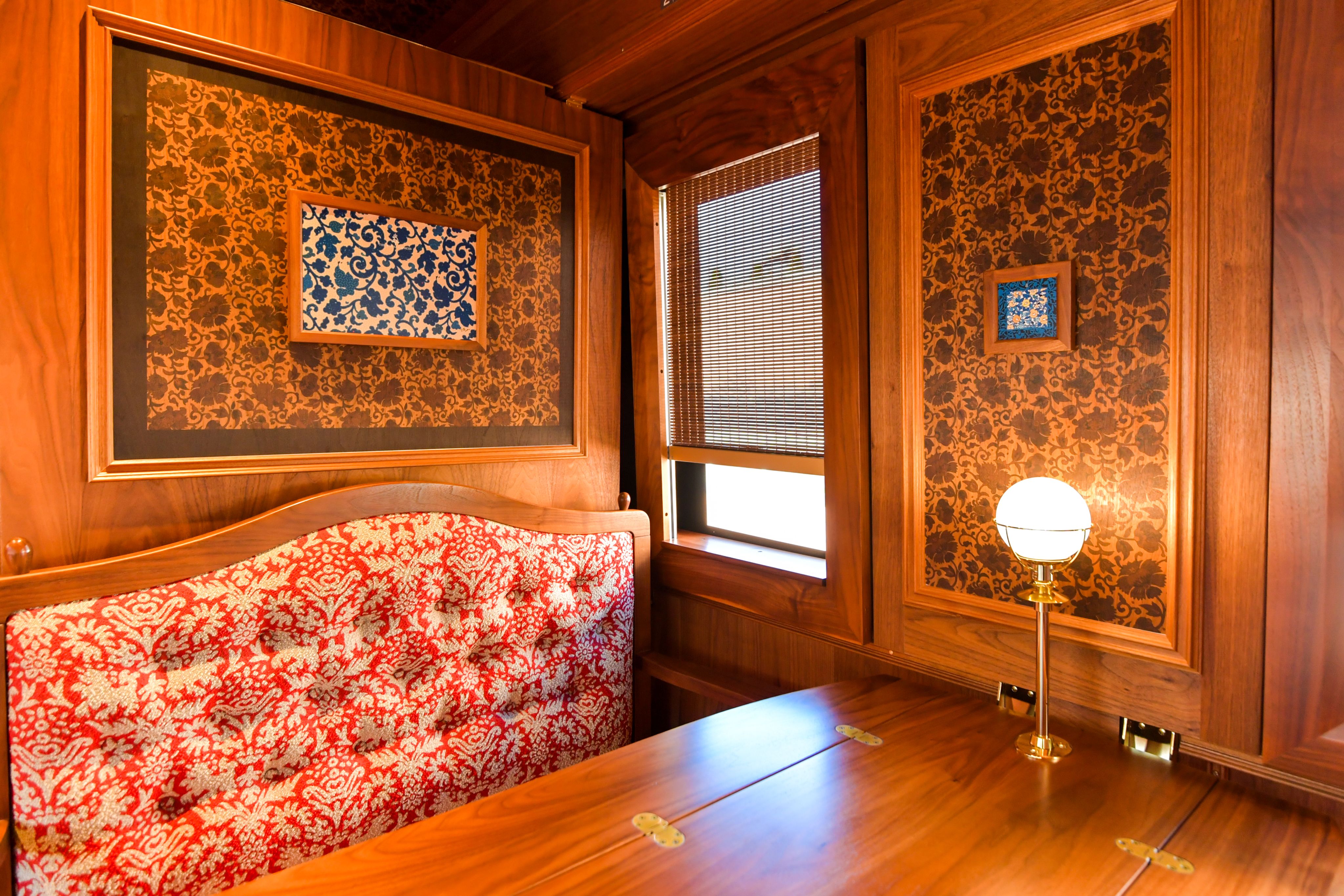
Mitooka says he prefers wall space over large windows in his trains, which gives him something to decorate. And passengers spend less time looking out of the window than they might think, according to the designer.
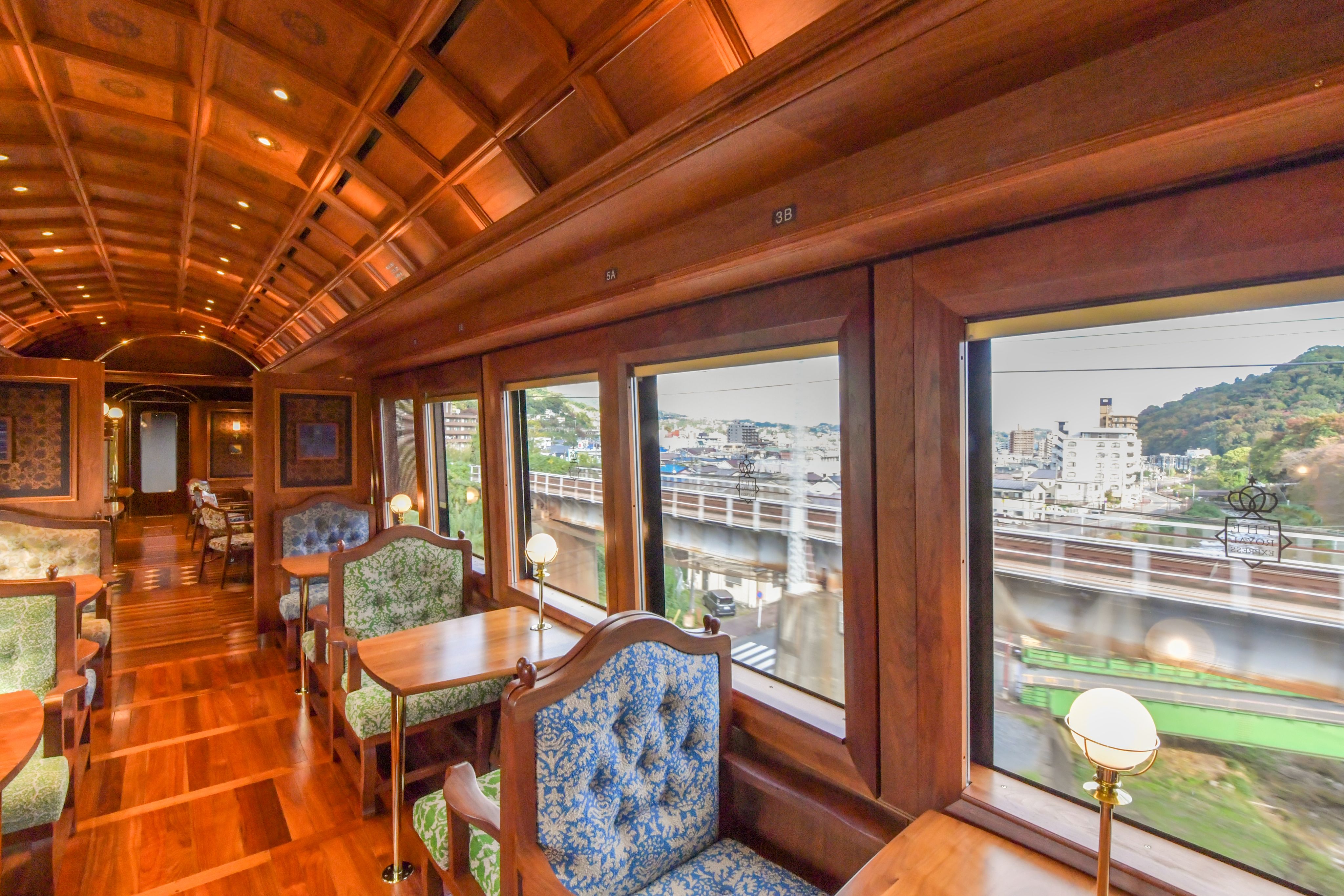
“Creating a one-of-a-kind train is always the theme, so we bring together many one-of-a-kind elements to make it number one,” he said.


Along with an exhibition space and library, The Royal Express includes a carriage with a small play area for children. It has a ball pool filled with wooden balls -- a sign of Mitooka’s commitment to using wood in his trains, despite tight regulations on its use.


Somewhere between features like a play area and a library, Mitooka finds a natural audience. Targeting young children and people over 65, the designer says, often results in products that are a hit with young adults. “They feel a sense of nostalgia as well as a sense of something new.”



Among the designer's most high-profile hits is the luxury sleeper train Seven Stars in Kyushu which went into service in 2013. Operator JR Kyushu, in September, announced new routes in southwestern Japan for the train starting in March 2026.

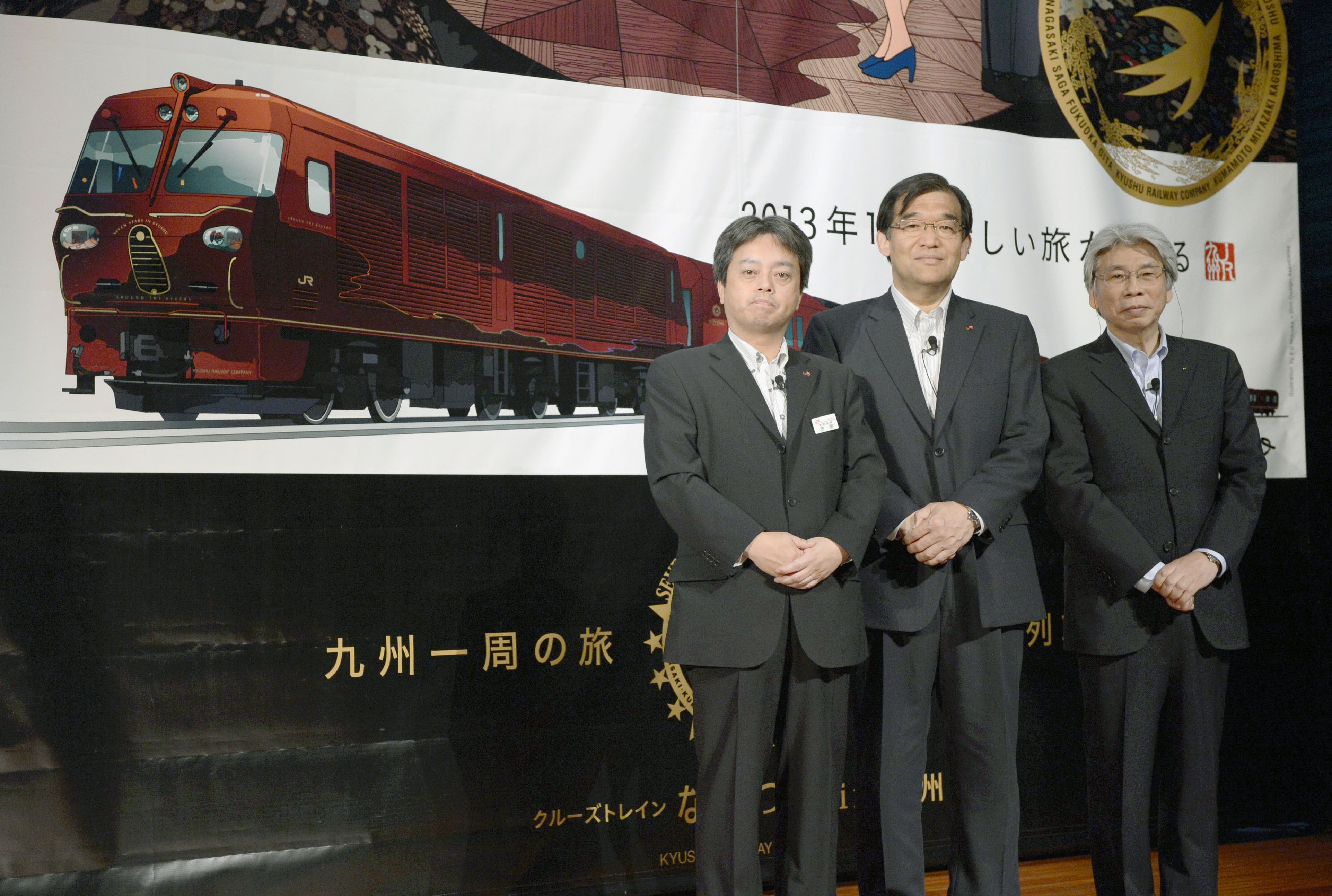
Eiji Mitooka (1st from R) poses for a photo at the launch of the luxury sleeper train Seven Stars in Kyushu, on May 28, 2012. (Kyodo)
Eiji Mitooka (1st from R) poses for a photo at the launch of the luxury sleeper train Seven Stars in Kyushu, on May 28, 2012. (Kyodo)
Reflecting on the design of the Seven Stars, Mitooka was asked by the then head of JR Kyushu to design the best train in the world. He was skeptical about the prospect of success. “I didn’t think it would sell. I honestly wasn’t sure there were people with enough money to afford the ticket prices,” he said.


Illustration by Eij Mitooka and Don Design Associates of the lounge car on the Seven Stars in Kyushu. (Courtesy of Kyushu Railway Co.)
Illustration by Eij Mitooka and Don Design Associates of the lounge car on the Seven Stars in Kyushu. (Courtesy of Kyushu Railway Co.)
Plans for the train faced opposition, including from within the transport ministry, according to the designer, who said some opponents labeled it the “crazy train.”

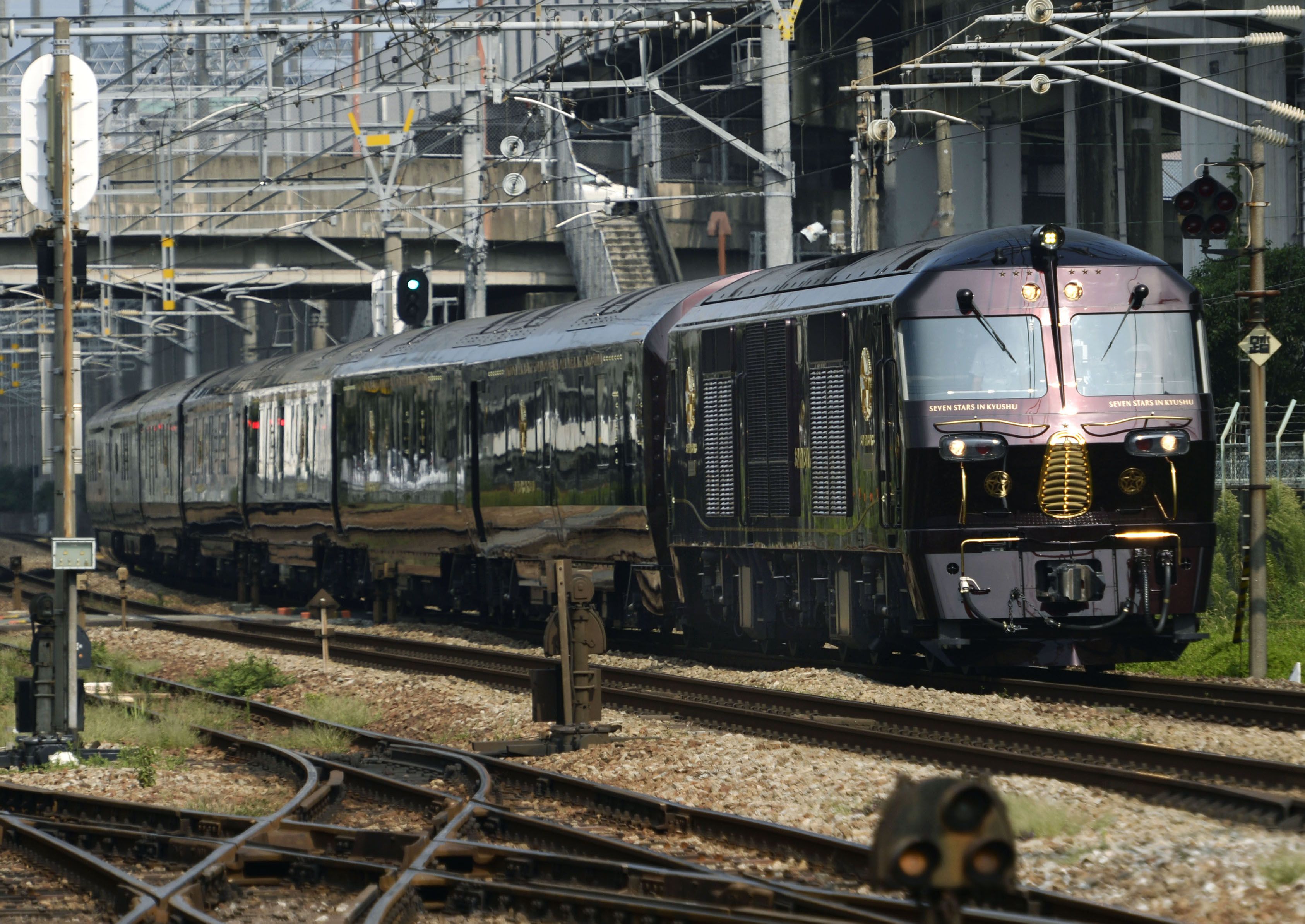
Over a decade after its launch, however, the appeal of the Seven Stars in Kyushu continues to spread, including among observers abroad. In September, the train was recognized as an example of “cool Japan,” collecting an inbound category Cool Japan Award.
The awards were organized by the non-profit Cool Japan Association which seeks to highlight Japanese products and culture that resonate among foreign audiences. The selection process for the award winners in 2025 included screenings by 100 international judges.

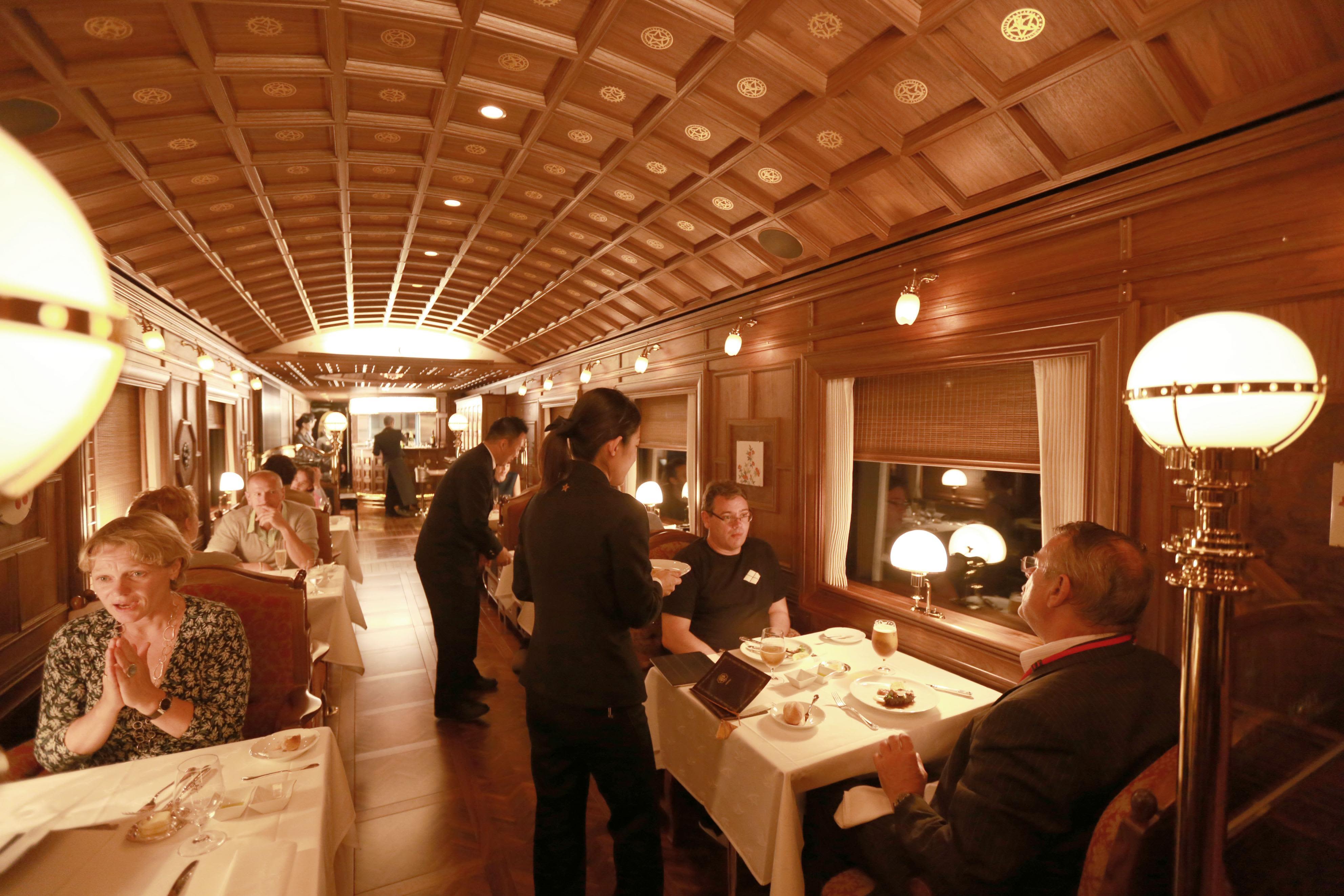
Foreign journalists enjoy a meal during a test ride of the luxury sleeper train Seven Stars in Kyushu in October 2013. (Courtesy of Kyushu Railway Co.)
Foreign journalists enjoy a meal during a test ride of the luxury sleeper train Seven Stars in Kyushu in October 2013. (Courtesy of Kyushu Railway Co.)
Despite what Mitooka sees as the Seven Stars’ cool Japan elements, including traditional shoji sliding panels and kumiko latticework, he thinks it is more easily identified with the Belgian-designed Orient Express.

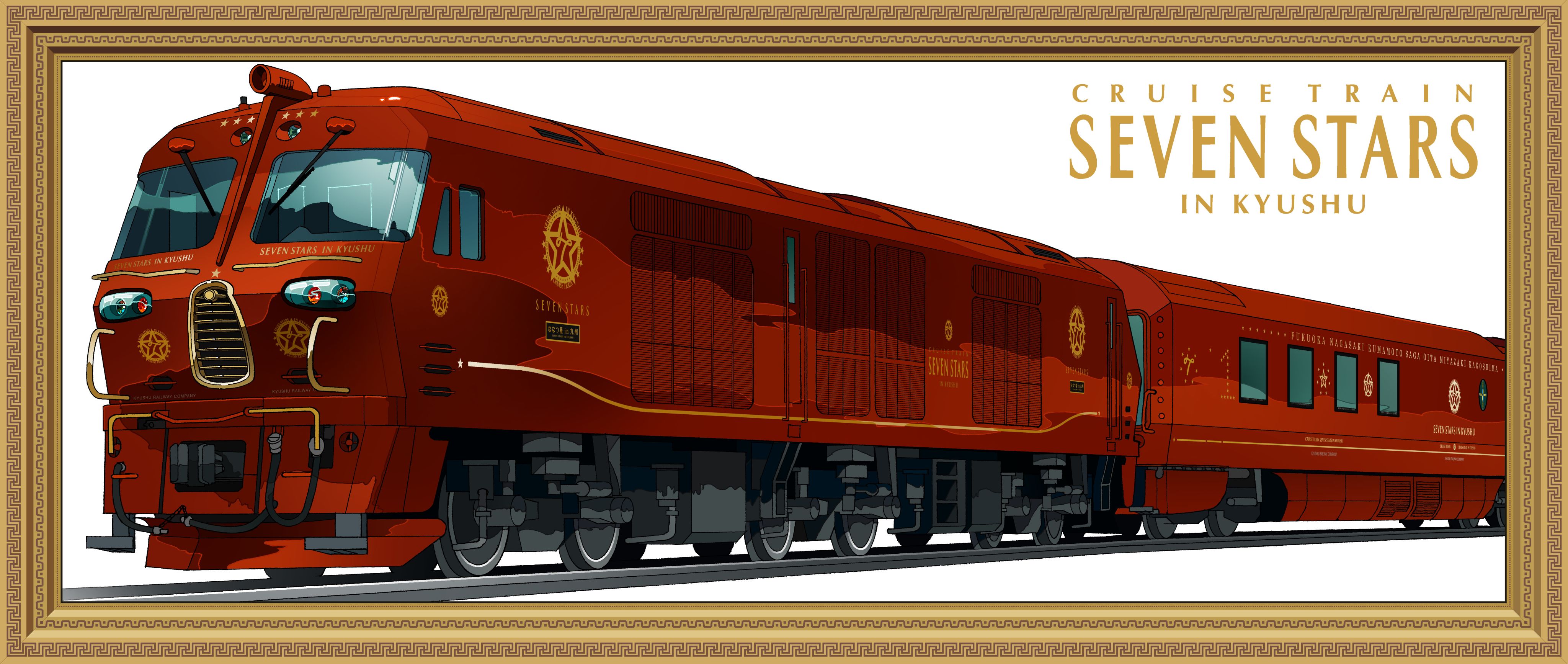
©Illustration by Eiji Mitooka and Don Design Associates
©Illustration by Eiji Mitooka and Don Design Associates
The iconic train, which also appeared in popular culture as a setting in Agatha Christie’s 1930s mystery novel Murder on the Orient Express, was presented as the benchmark when he began designing the Seven Stars.

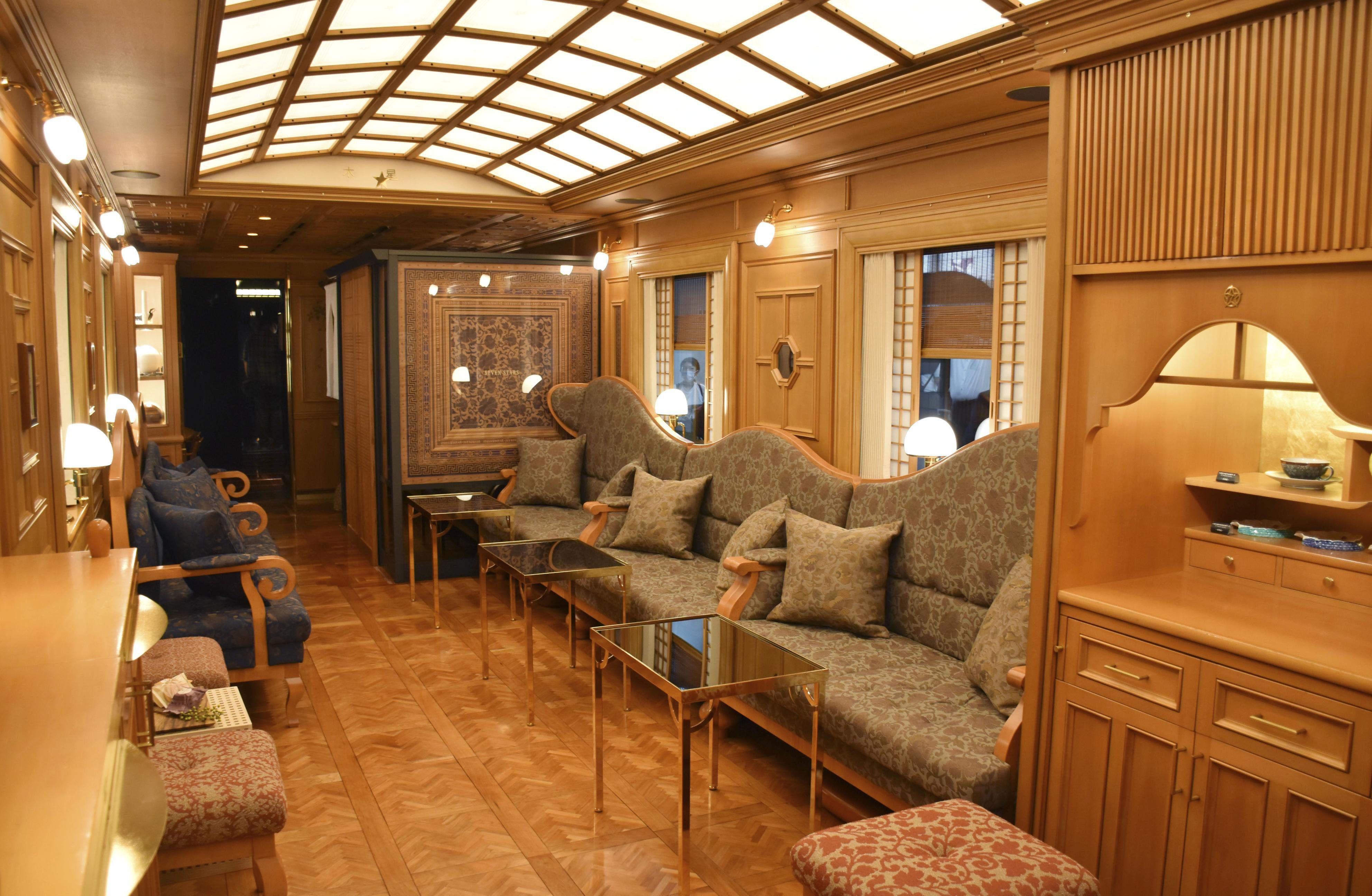
Photo taken in October 2022, shows the interior of Kyushu Railway Co.'s luxury sleeper train Seven Stars in Kyushu. (Kyodo)
Photo taken in October 2022, shows the interior of Kyushu Railway Co.'s luxury sleeper train Seven Stars in Kyushu. (Kyodo)
To achieve that kind of standard, Mitooka says, it is necessary to break from conventional thinking. “We have to draw up plans for things people say cannot be done and go for it. That is the only way.”

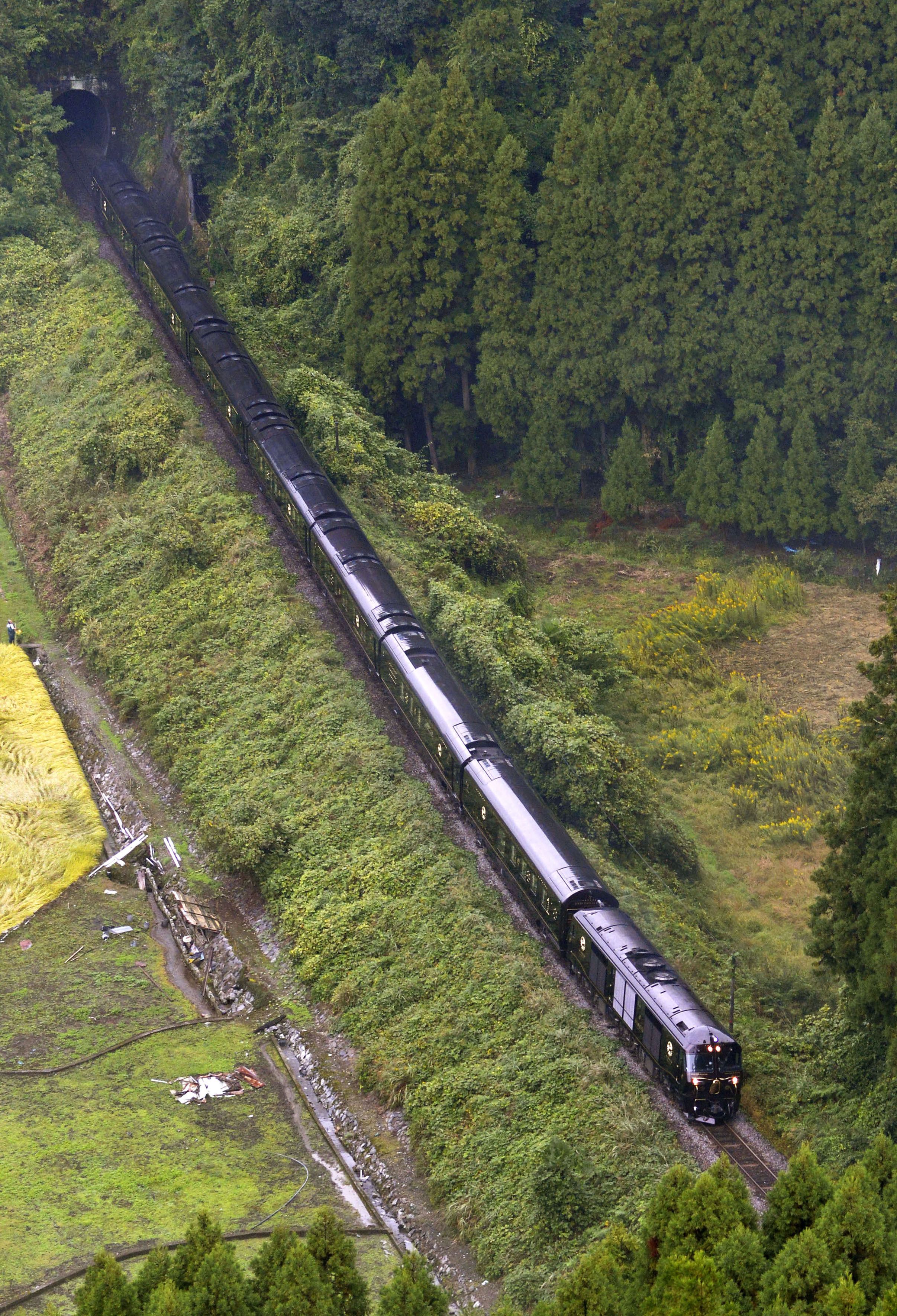

While passengers feel the impact of Mitooka’s designs inside the train, it has implications for the regions it travels through.
As Japan’s growth as a tourism-oriented country gathers pace, governments and private companies are trying to encourage visitors to explore beyond the most famous attractions. Mitooka believes that trains play a unifying role in improving the environment of the country’s regional destinations, particularly when consensus in town planning and revitalization can be hard to achieve.
“If the design is right, a one-of-a-kind train can energize communities along the line, and people will come from far away to ride it,” he said. “The environment around the entire line changes.”
*Cover photo : Courtesy of Tokyu Corp.
Other Spotlight Japan Stories


Nagano wine valley channels pioneering spirit to attract visitors
In the Chikumagawa Wine Valley, the up-and-coming region of Nagano wine, winemakers are channeling a pioneering spirit to reveal the region’s potential and draw visitors in deeper.
no joke for struggling Choshi railway
The unconventional approach of a struggling railway operator in Choshi, near Tokyo, to revive its fortunes is just about keeping the service on track.
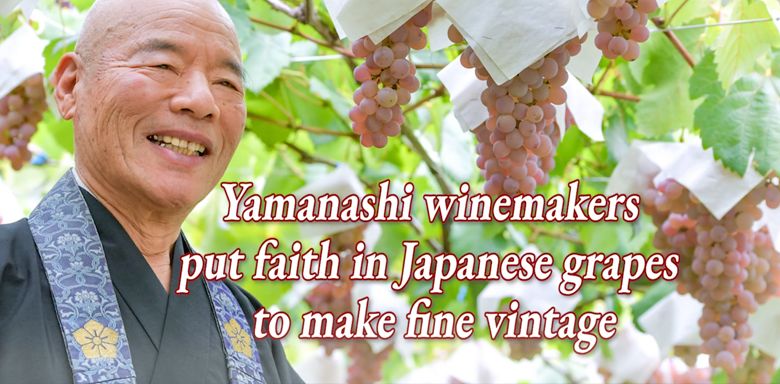
Yamanashi winemakers put faith in Japanese grapes to make fine vintage
Faith in Japanese grapes and the local terroir to produce competitive wines is strong among winemakers in central Japan’s Yamanashi Prefecture, where even a local temple makes its own tipple.
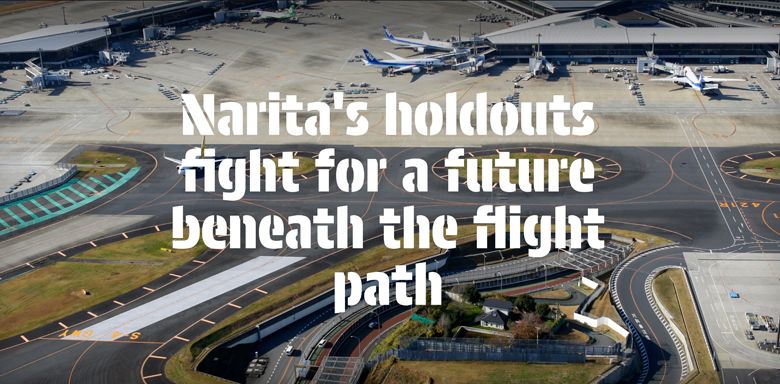
Narita's holdouts fight for a future beneath the flight path
Resembling shark fins poking above the waterline, the tails of taxiing airplanes are just visible over the tall white fence that separates Kinone Pension from the runways of Narita airport.
 Built with Shorthand