


The World Masters Games comes to Japan in 2027.
From May 14 to May 30, 2027, the sports festival will bring together athletes aged 30 or over, of all experience levels, for competition across 59 events featuring 35 sports.
With venues spread throughout the Kansai region and other prefectures in western Japan, competitors and fans will have the perfect excuse to explore an area of the country that is as diverse and as thrilling as the games themselves.


What follows is a taste of the incredible landscapes, atmospheric neighborhoods, and important historical landmarks around the venues, awaiting exploration between competitions.
In Tottori Prefecture, venues for the World Masters Games spread from west to east, including the cities of Yonago, Kurayoshi, and Tottori.

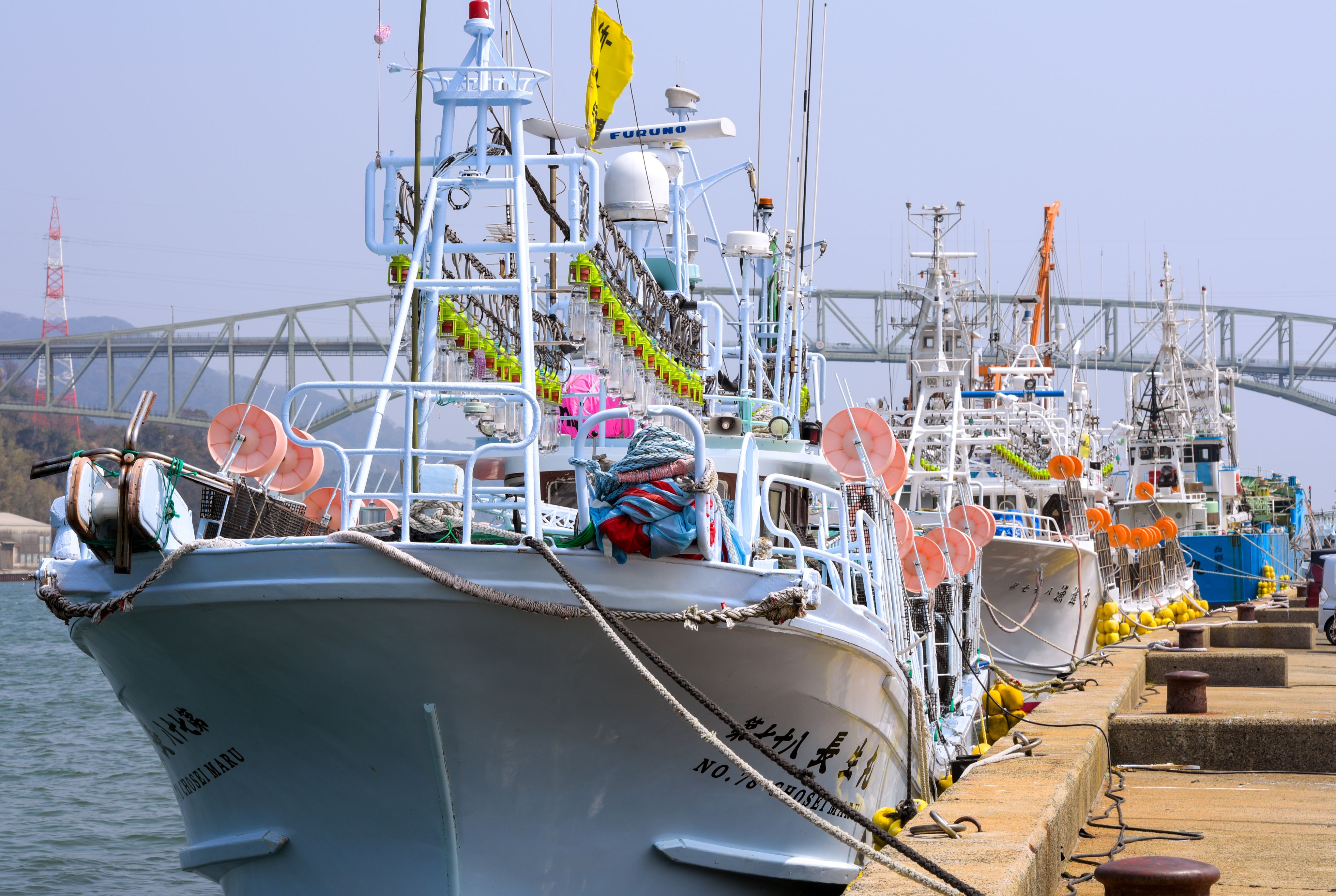
Immediately north and south of Yonago Kitaro Airport, the cities of Sakaiminato and Yonago are the first stop for many travelers starting journeys in the prefecture's western region.
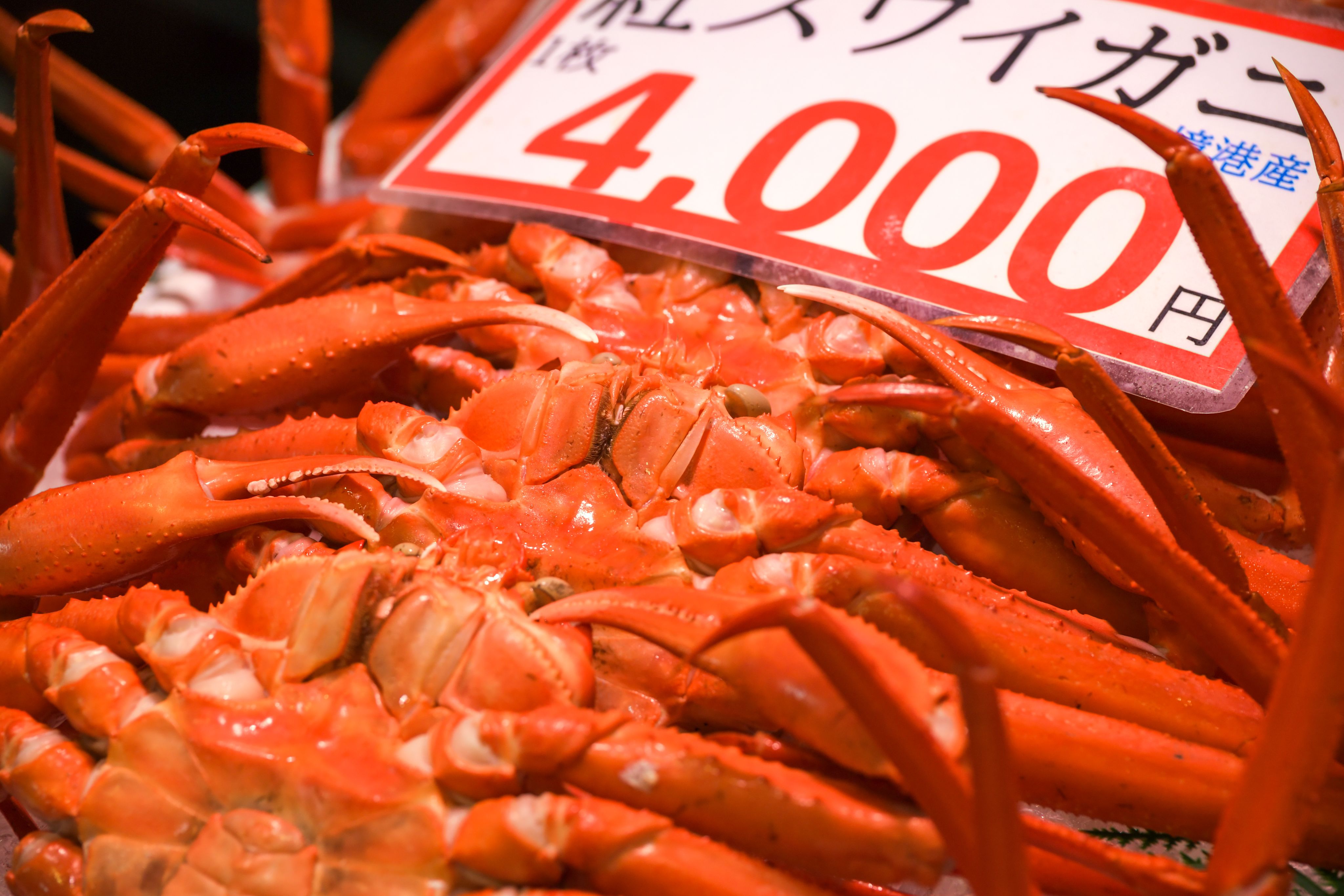
Sakaiminato is home to one of Japan’s leading fishing ports, where a large volume of the catch is landed unfrozen, including Pacific bluefin tuna and red snow crab. The seafood served at restaurants and markets around Sakaiminato, then, is just about as fresh as it gets.

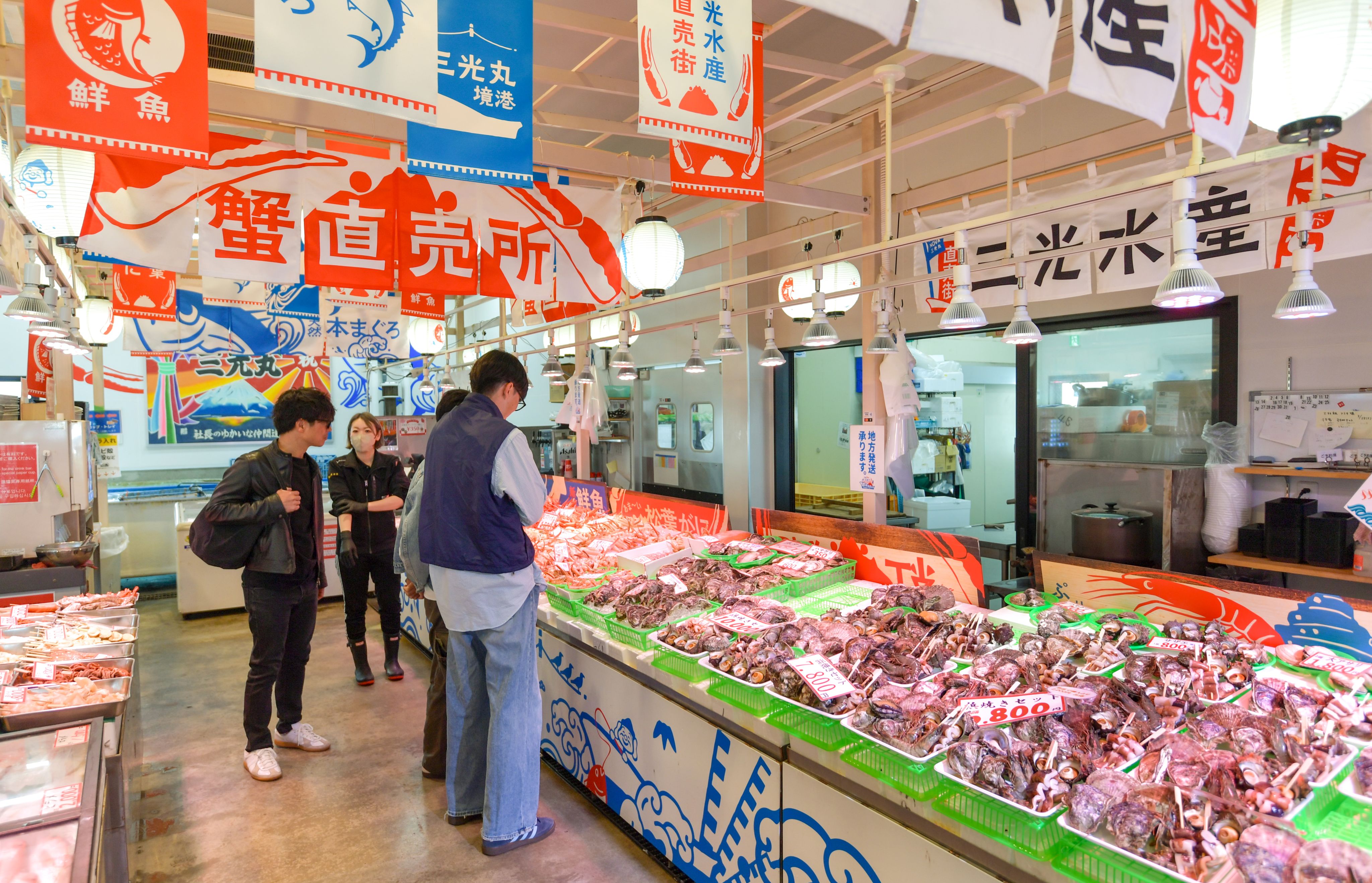
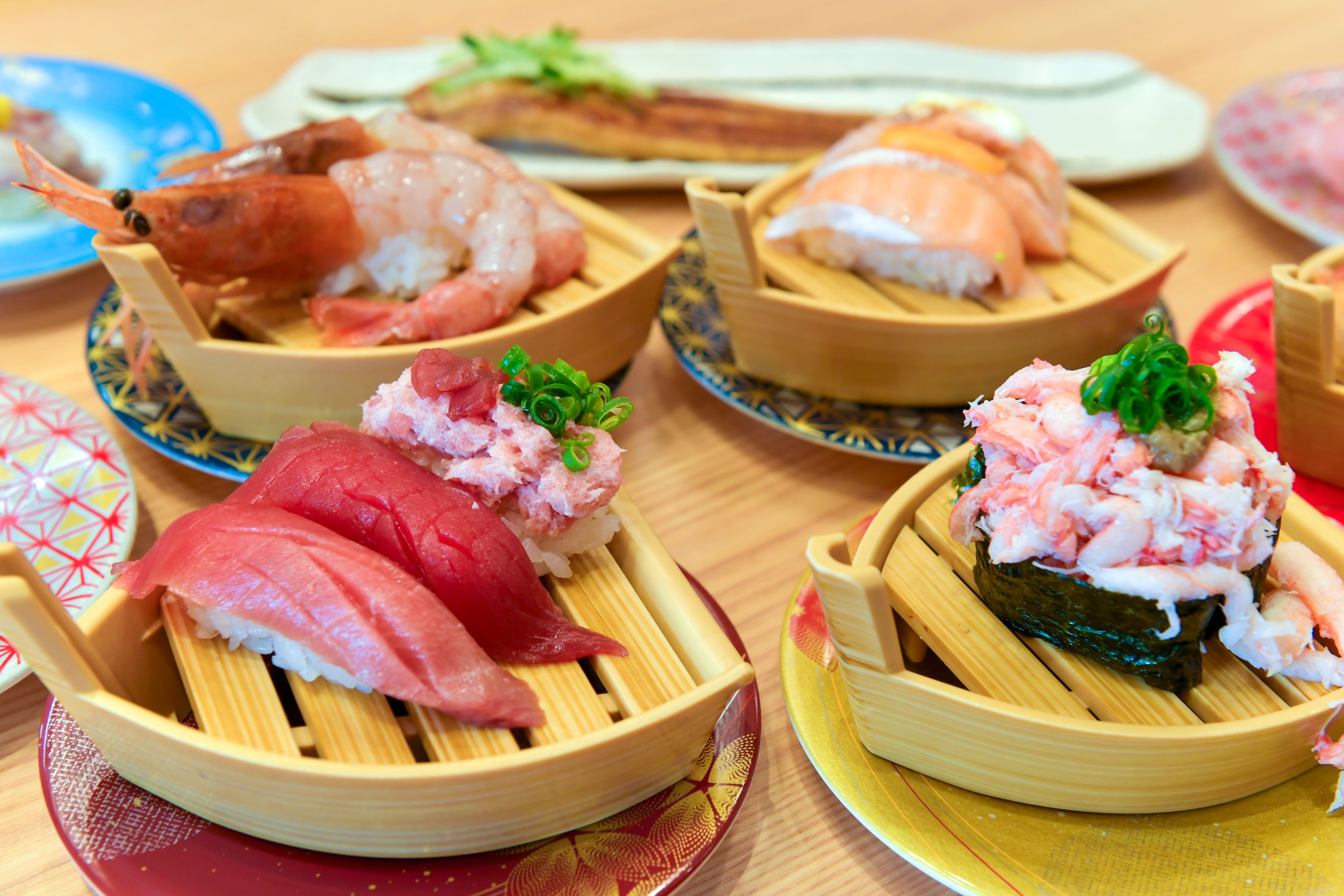
Hatonova – a lively fish market and food court – is within walking distance of Sakaiminato Station. Visitors can take their pick of the day’s catch, which staff will prepare for grilling at their table or serve as sashimi. Sushi Kaba, inside Hatonova, offers “kaitenzushi,” or conveyor-belt sushi dining.


In nearby Yonago, history lingers in the former castle town. The area northeast of the castle site flourished as a “koya-machi,” where craftsmen practiced indigo dyeing during the Edo period (1603 - 1868). Along the atmospheric streets, Matsuda Somemonoten continues this legacy in the very location where it established a workshop over 300 years ago.

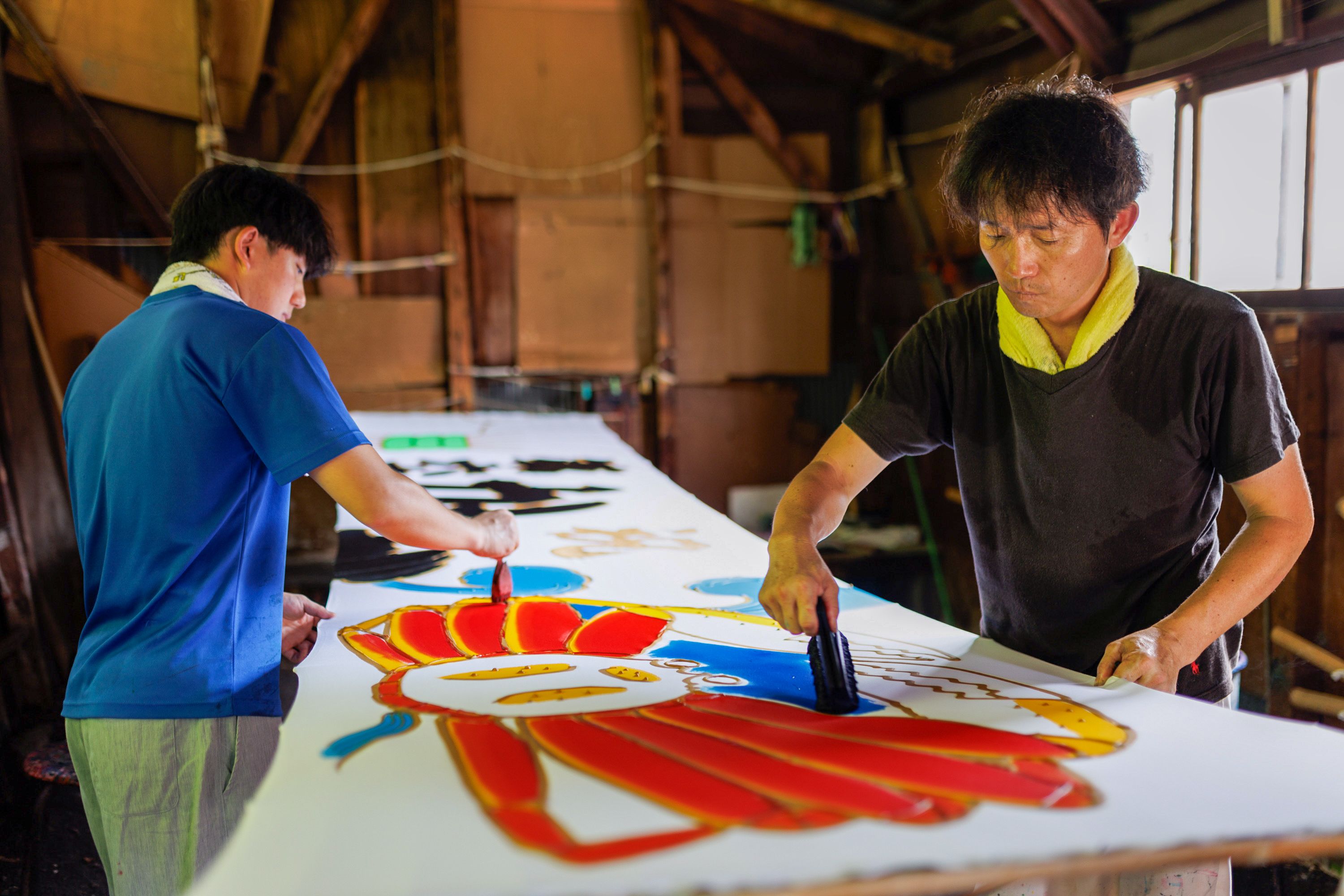
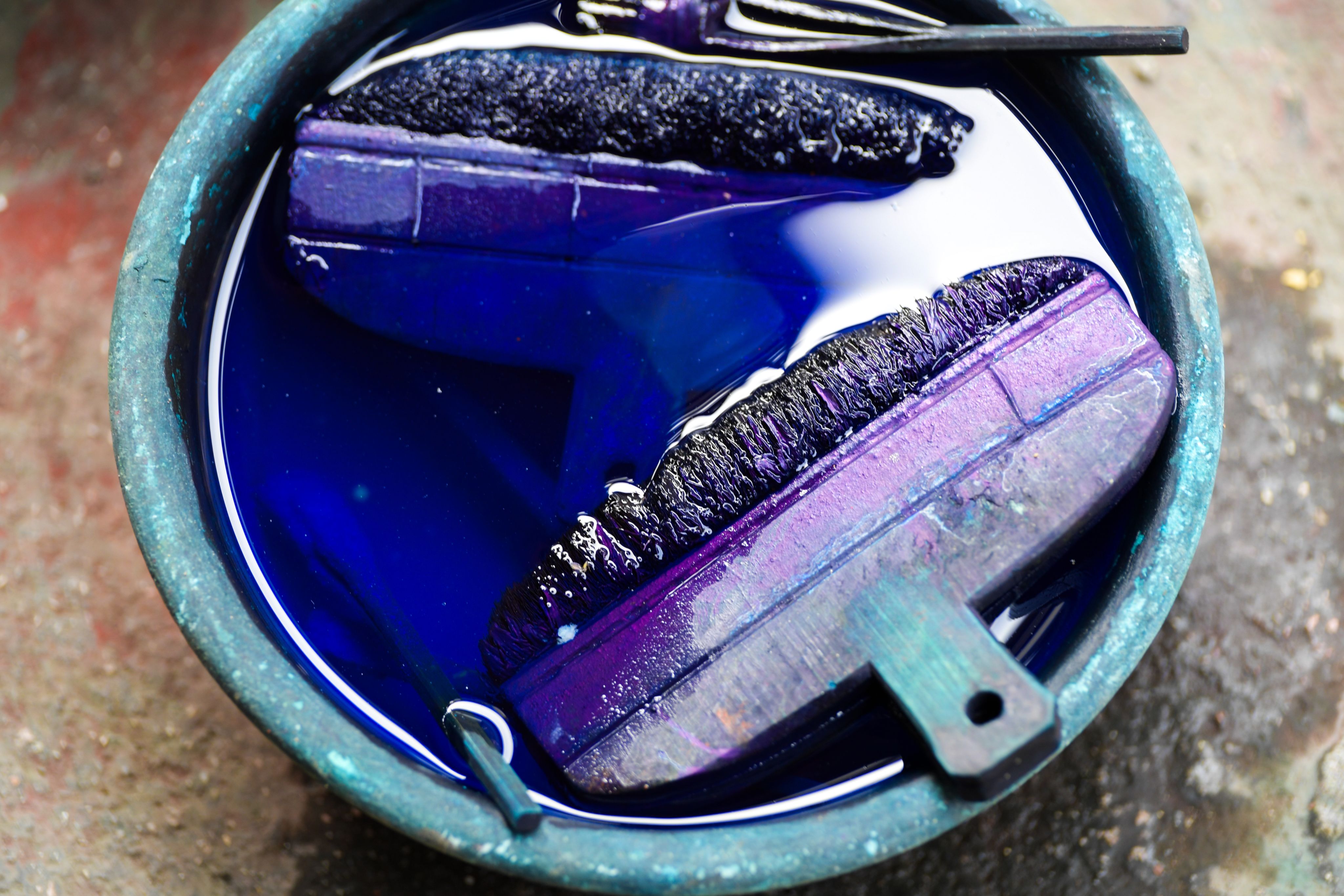
Nariki Matsuda, the company’s 13th president, continues the tradition of hand-dyeing “tairyo-bata” – colorful flags flown on fishing boats as symbols of good fortune. Matsuda uses the “tsutsugaki-zome,” or glue-resist dyeing technique, to create the flags. His is the only workshop in Tottori Prefecture continuing this craft.

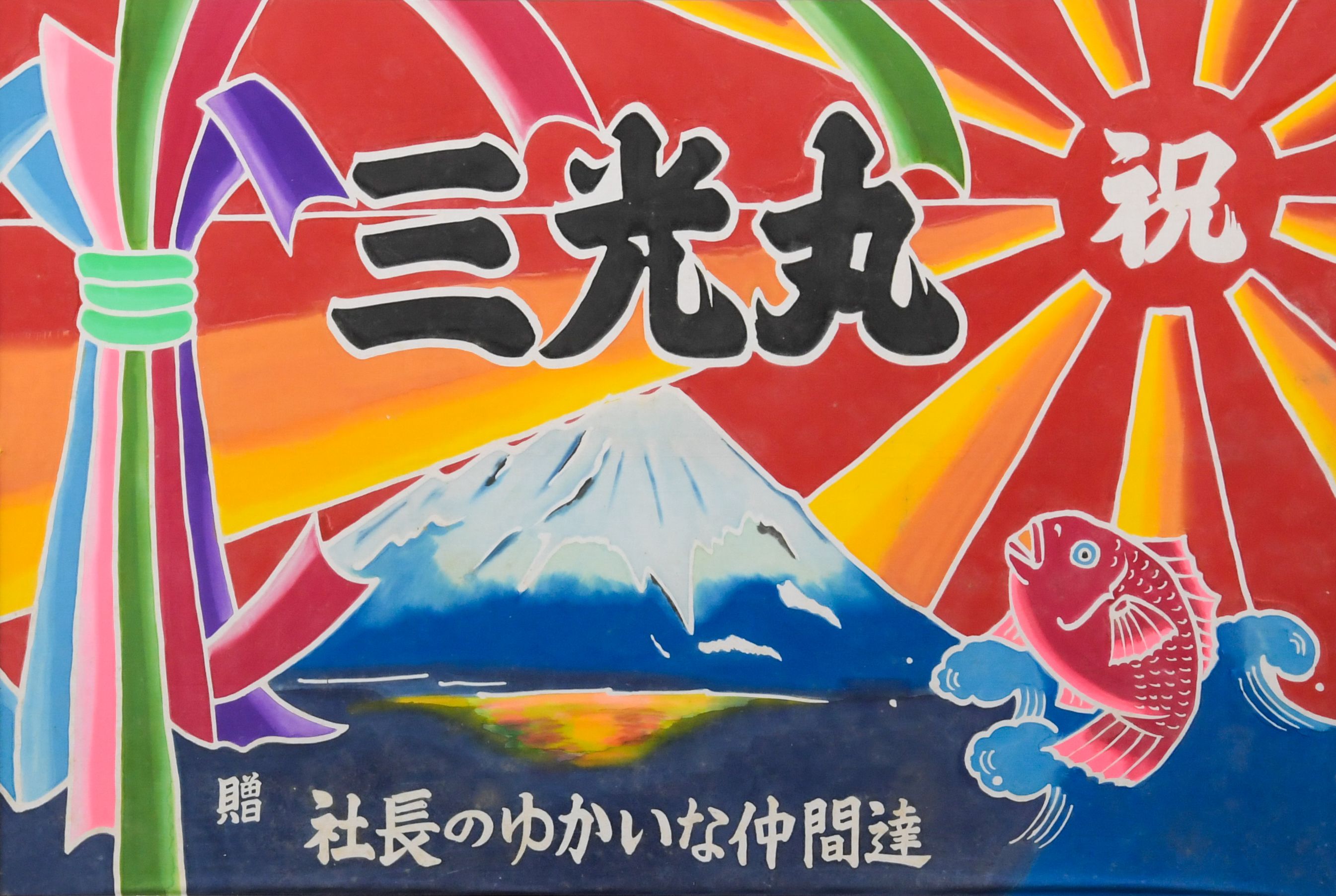
While visitors are welcome to stop by the workshop to look around, they should inquire in advance about hands-on experiences.
A short stroll away is Zuisendo, the family’s retail store, where items made from the workshop’s dyed fabrics are available, including dresses and skirts, as well as coasters, card cases, and bags.

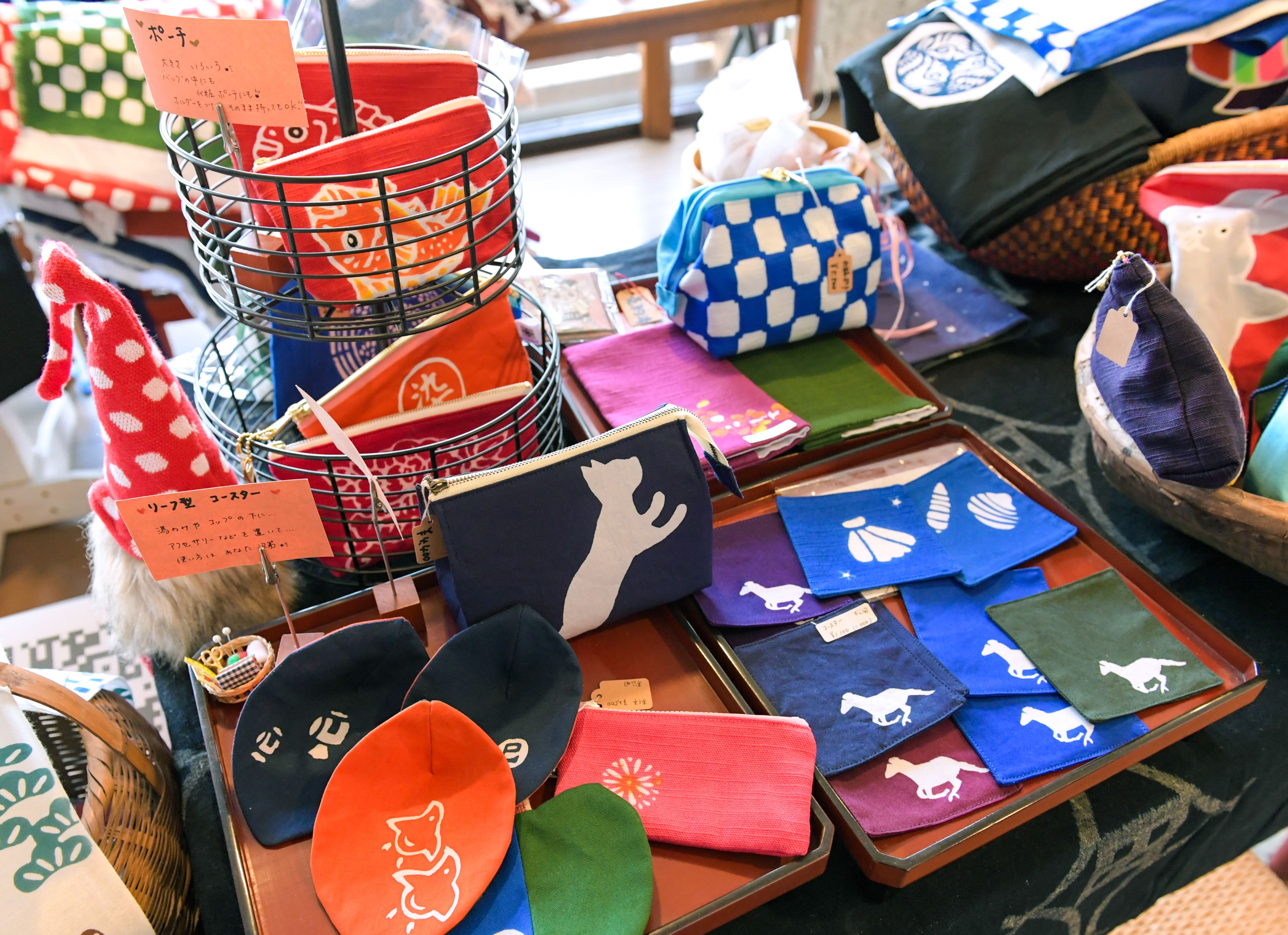
The store combines Matsuda’s decades of experience with his wife’s background in fashion and his son’s youthful viewpoint. “The idea is to incorporate fresh perspectives and new energy into creating something exciting,” he says.
Zuisendo is located along a former shopping arcade where style-conscious coffee shops, salons, and clothing stores are among the businesses bringing new energy to the former castle town.



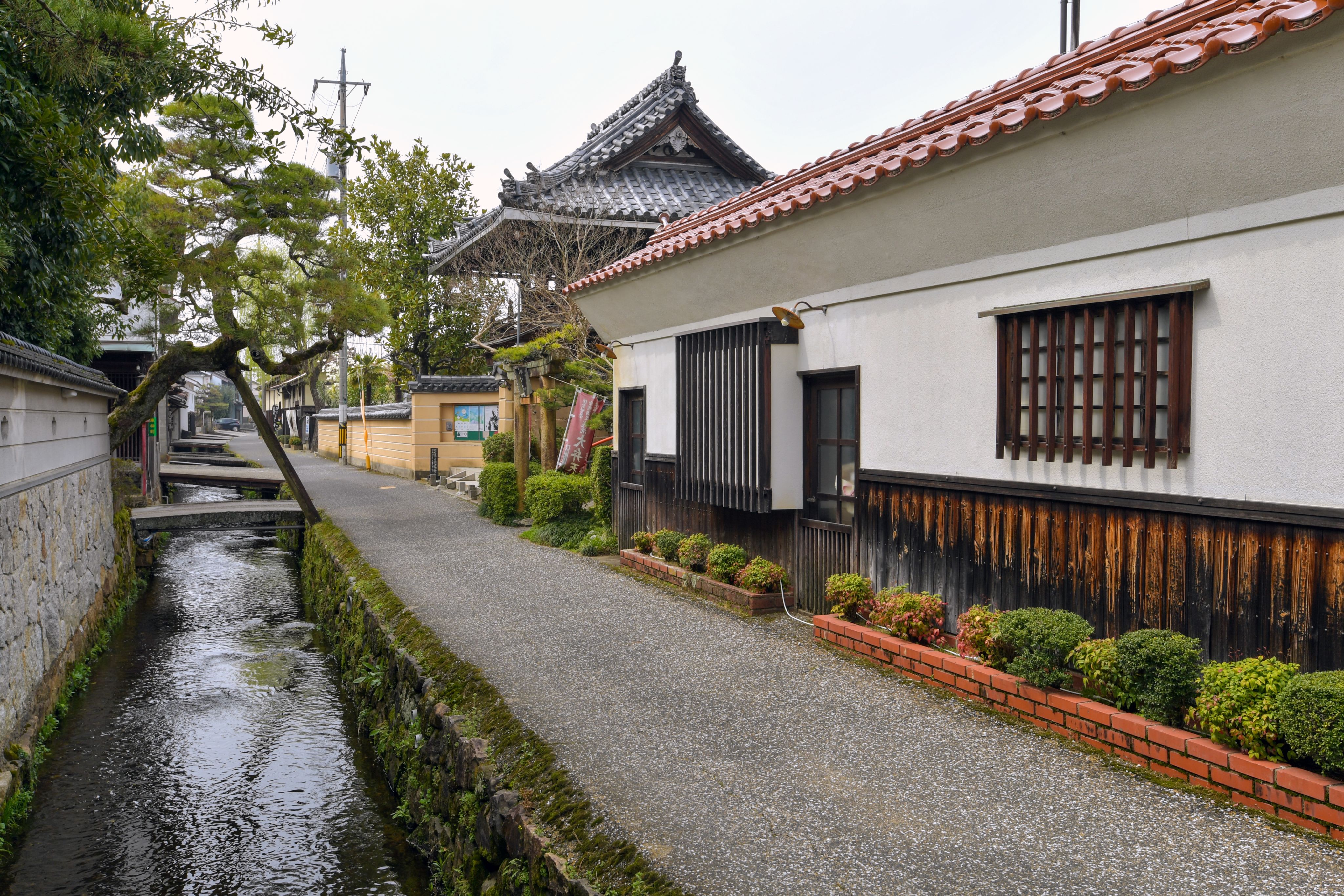
Kurayoshi is roughly halfway between Yonago and Tottori. Regular buses from Kurayoshi Station depart for the city’s Shirakabe Dozogun district. This rustic area centers on rows of former townhouses and storehouses – distinctive for their white-plaster walls and red-tile roofing – built during the Edo and Meiji periods.

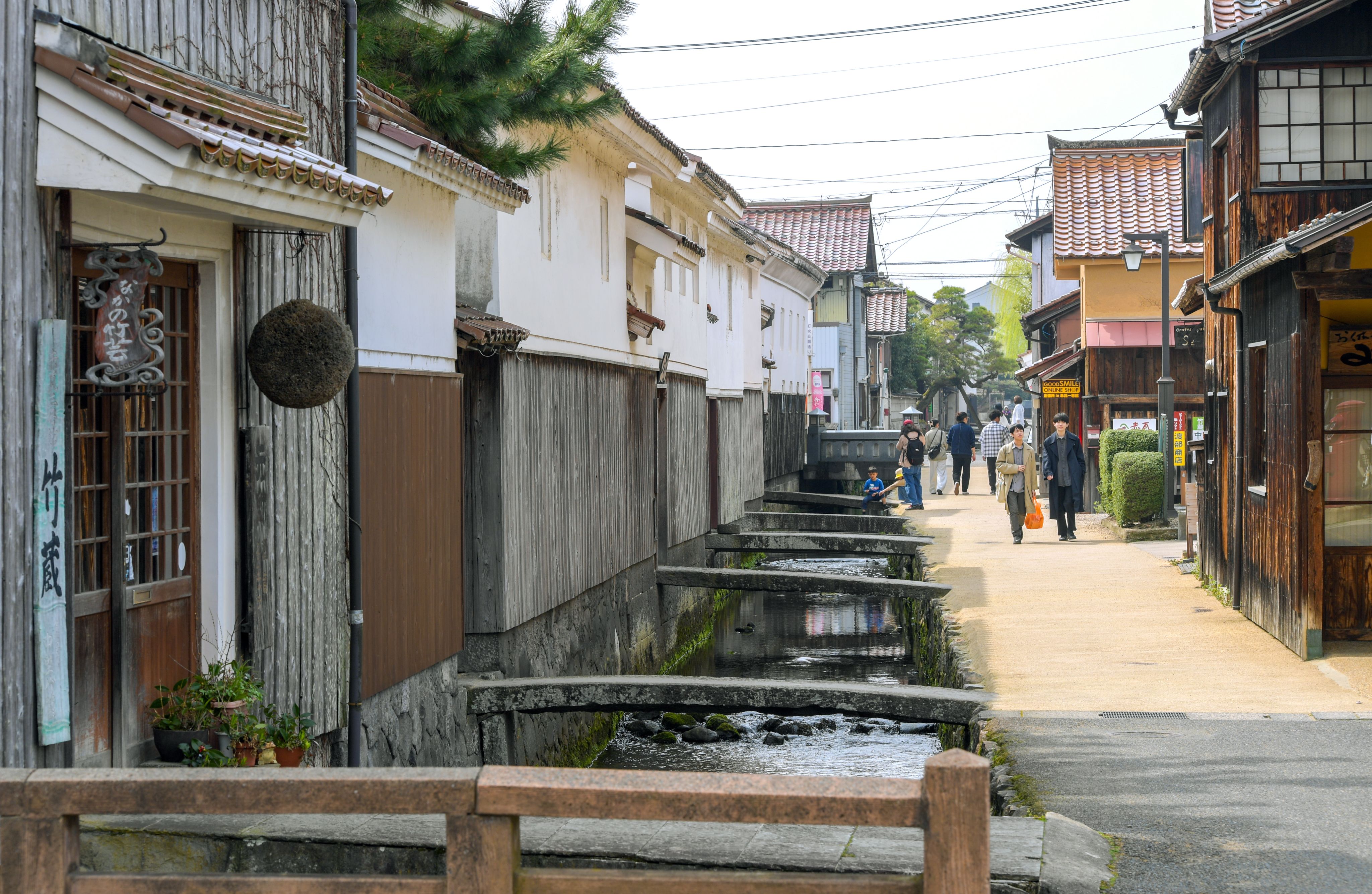
The buildings once stored rice, wine, and soy sauce, among other items. Today, many of them have been converted into attractive cafes and shops, some of which front the charming Tamagawa river.

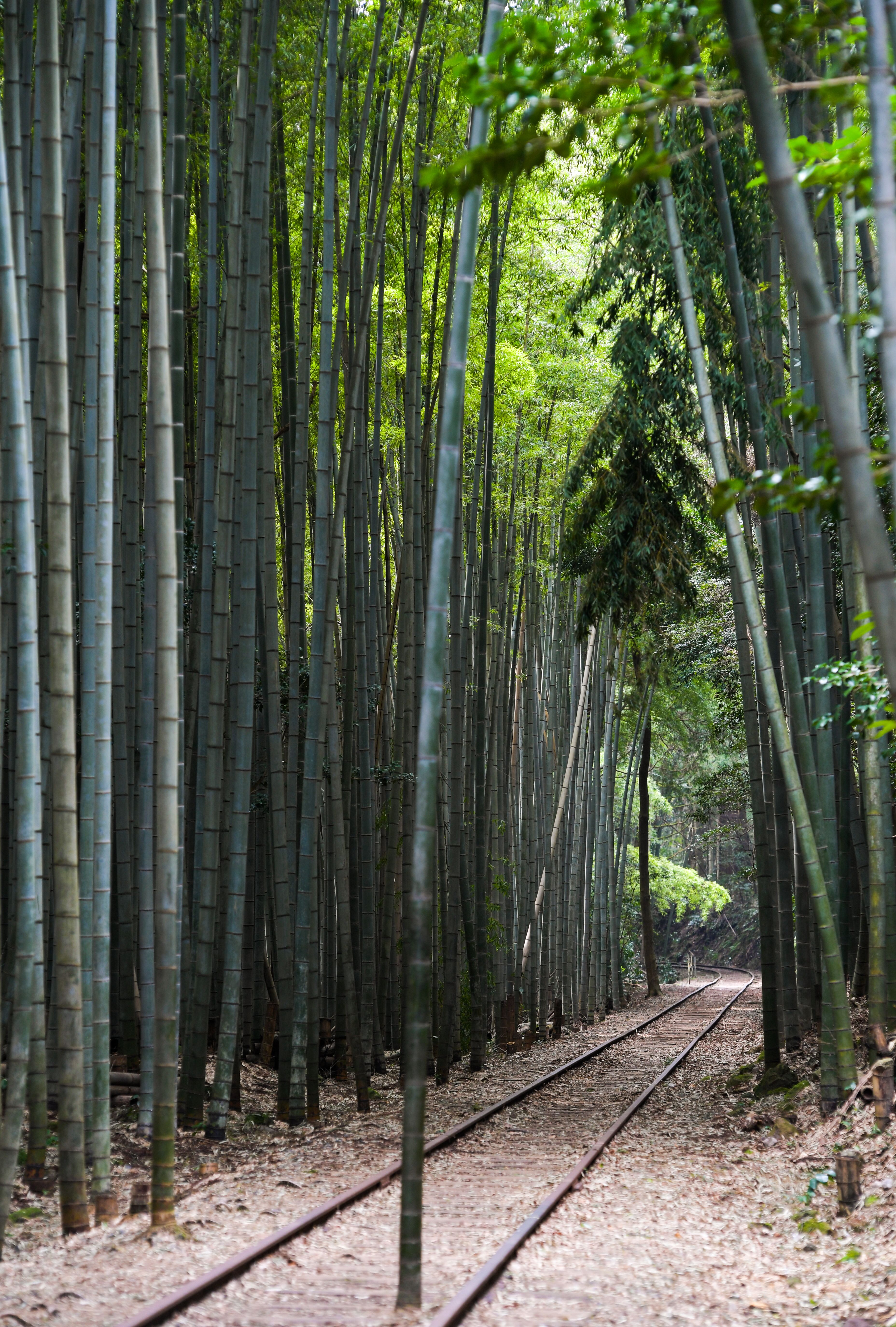
In Kurayoshi’s rural Sekigane district, visitors can walk along sections of track from the discontinued Kurayoshi Line. The line, operated by Japanese National Railways before its closure in 1985, has become known as the “lost railroad.” The section of track passing through a bamboo grove near the former Taikyuji Station is particularly photogenic.
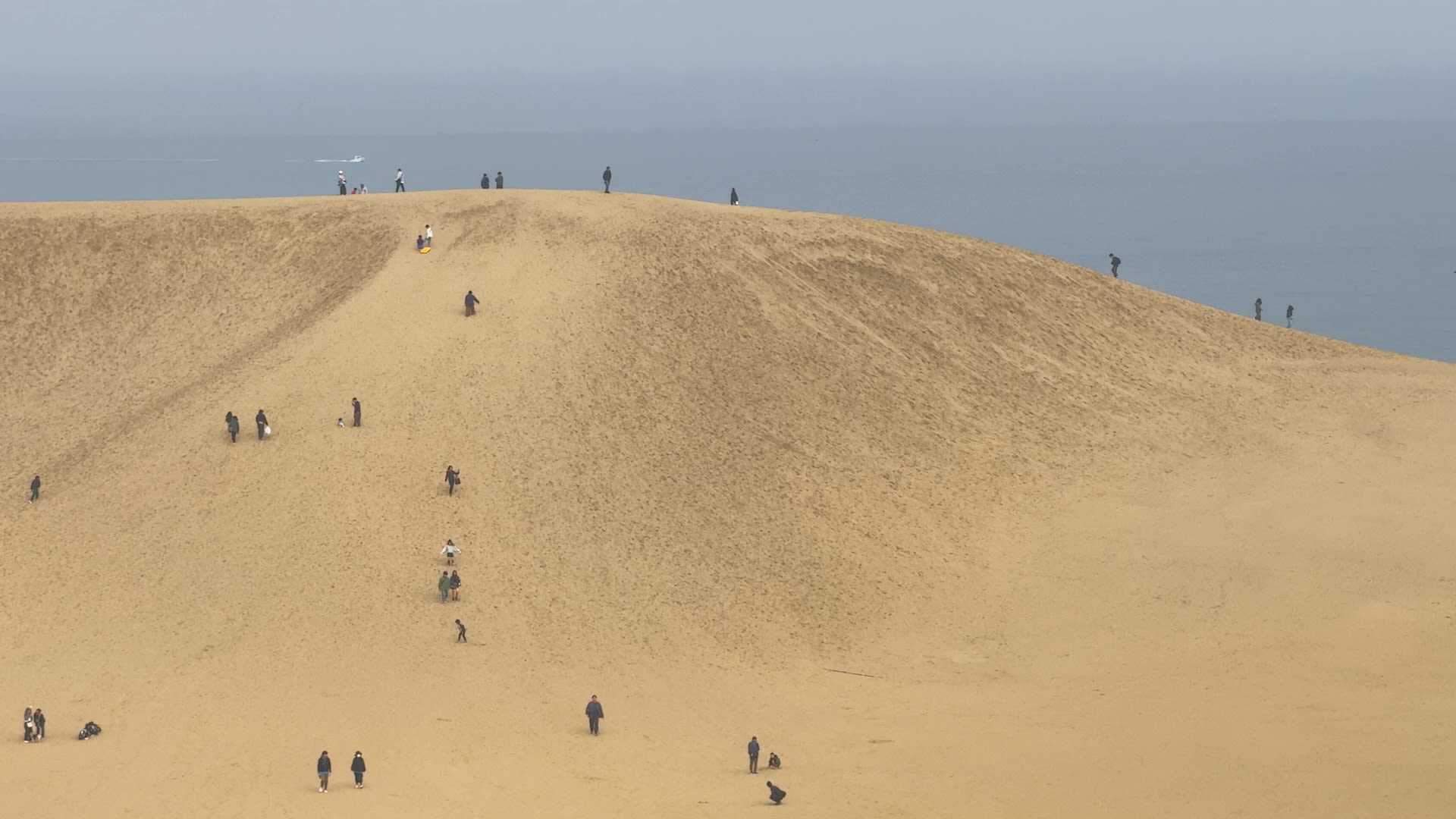
At the eastern end of the prefecture, the Tottori Sand Dunes stretch for around 16 kilometers along the Sea of Japan coast. They make for an arresting sight – perhaps the most famous in the prefecture. Even at over 100,000 years old, though, the dunes continue to shift and evolve at the mercy of strong winds.

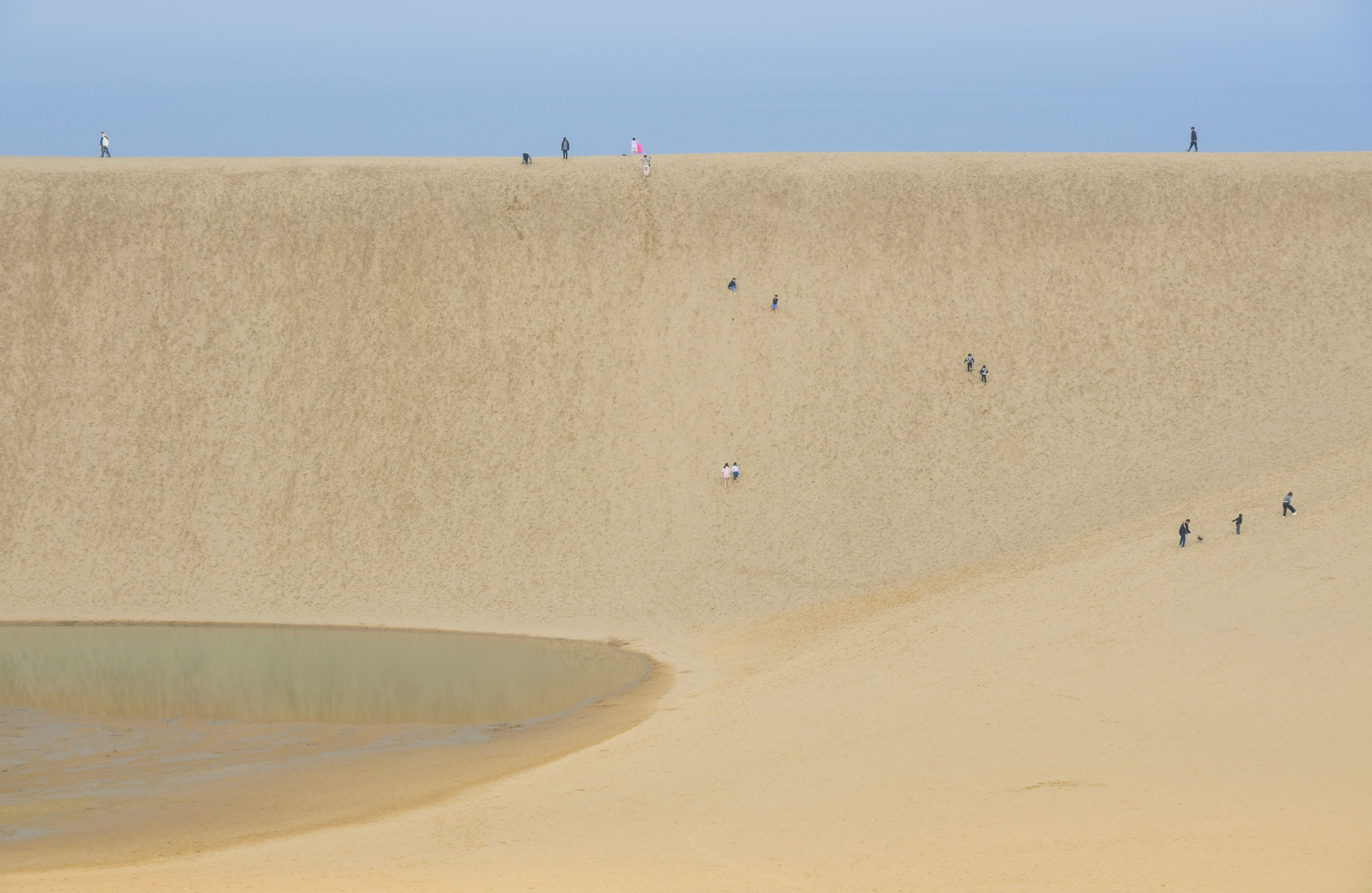
The most attractive area of the dunes, near downtown Tottori, can be explored on foot, by fat bike, or by chairlift, among other options depending on the weather and the season.

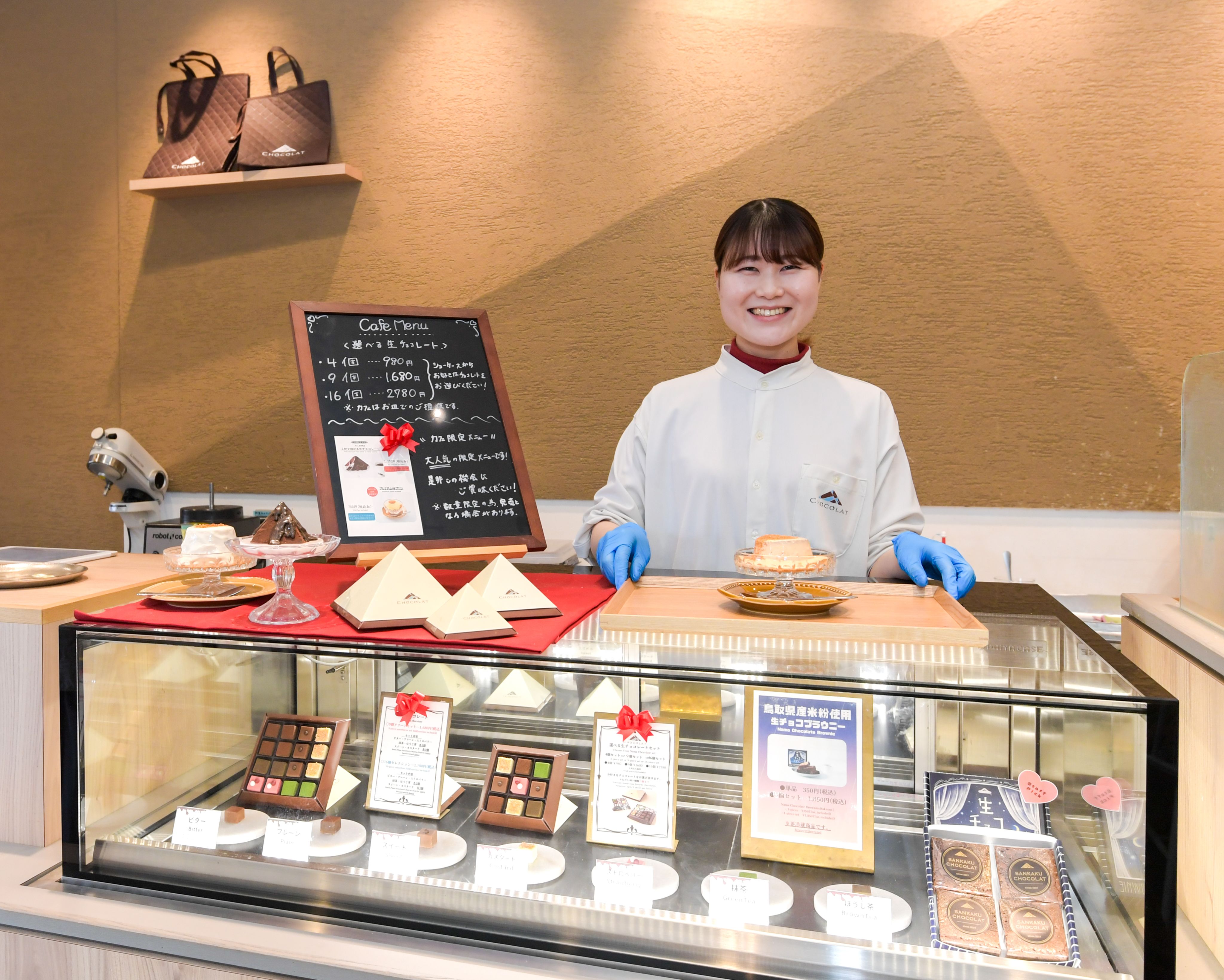
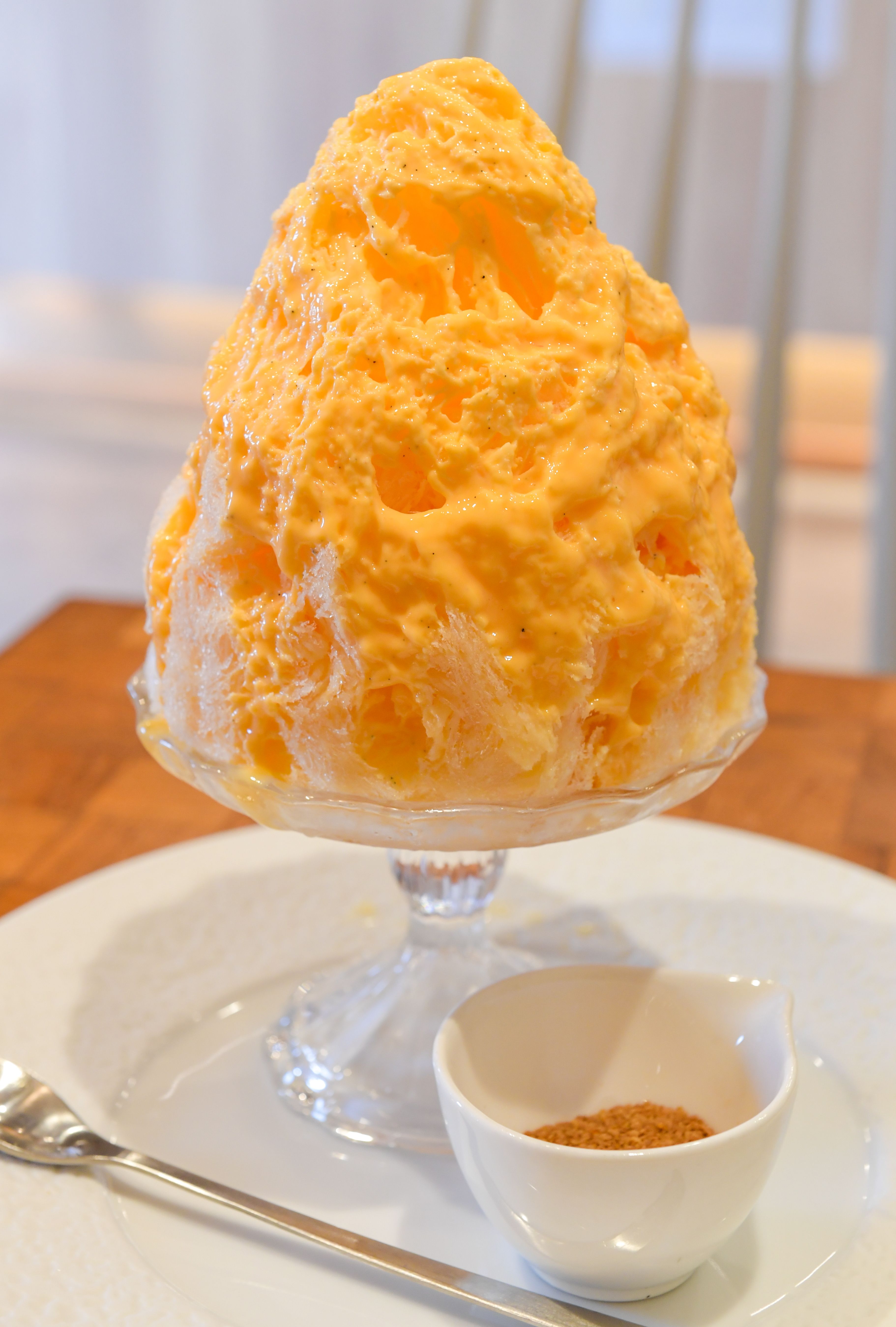
Among the cafes and souvenir shops around the visitor center and The Sand Museum at the eastern edge of the dunes is the cafe, Sankakugori.
From early April through October, Sankakugori serves “kakigori” shaved ice dishes. The sand dune pudding kakigori is a standout favorite – filled with rich, creamy pudding, and topped with powdered caramel. Outside this season, the cafe turns its attention to serving chocolate treats.


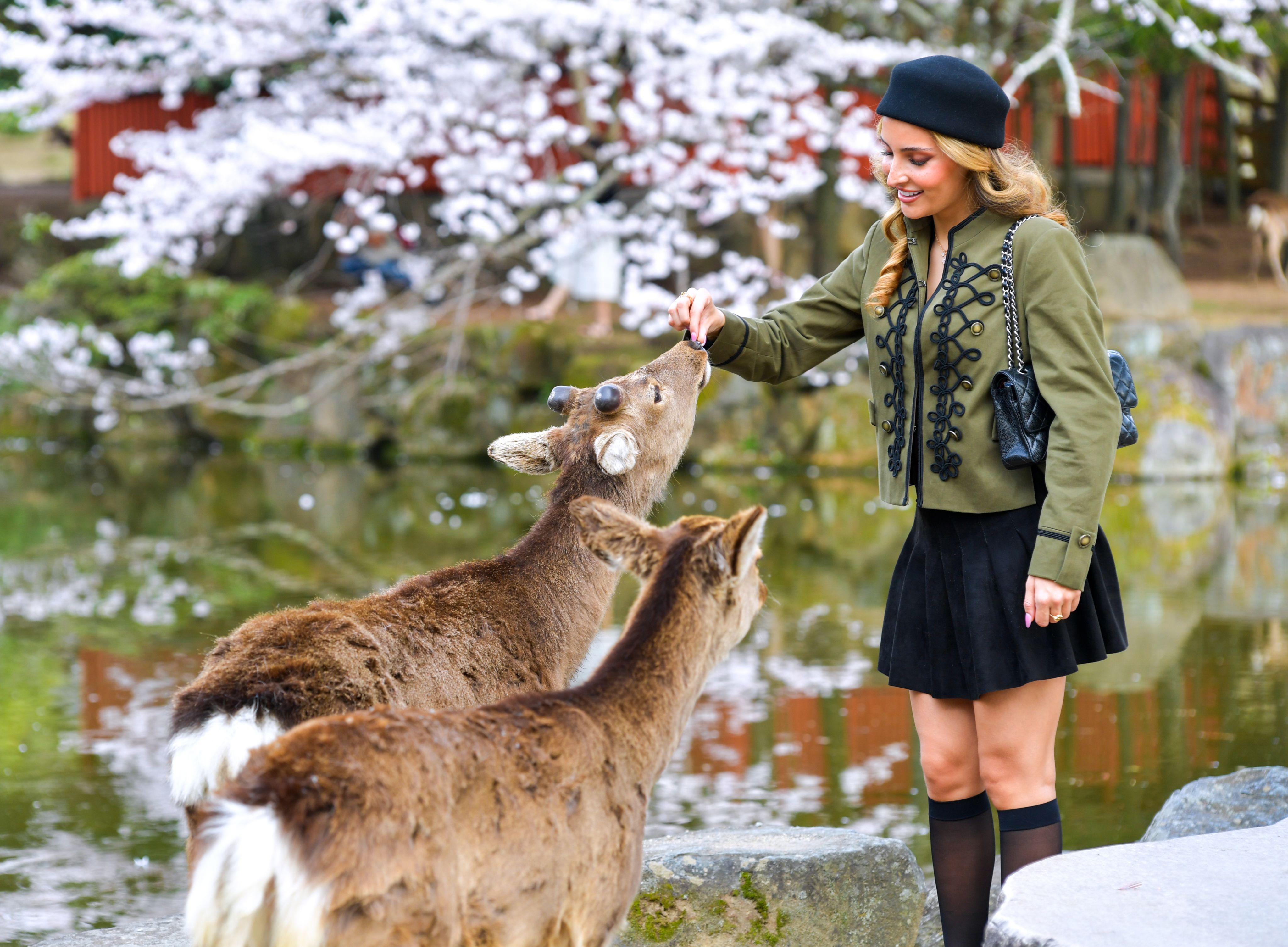

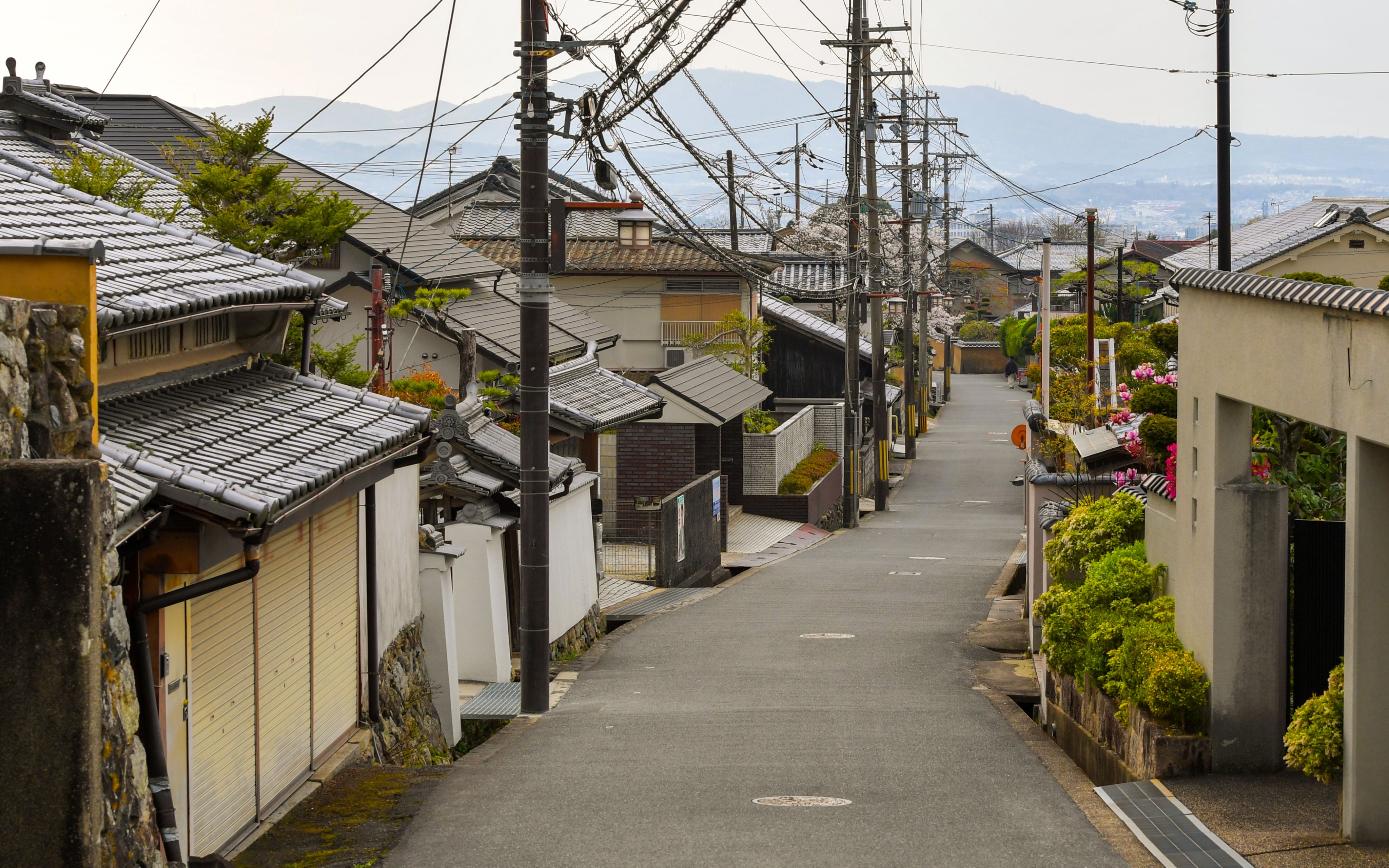

In Japan’s ancient capital Nara, many visitors are drawn to the city’s park and the surrounding temples and shrines. Nara’s famous wild deer roam in and around the park, and can sometimes be spotted in the neighborhoods nearby. Residents cherish and care for the deer as if they were messengers of the gods.

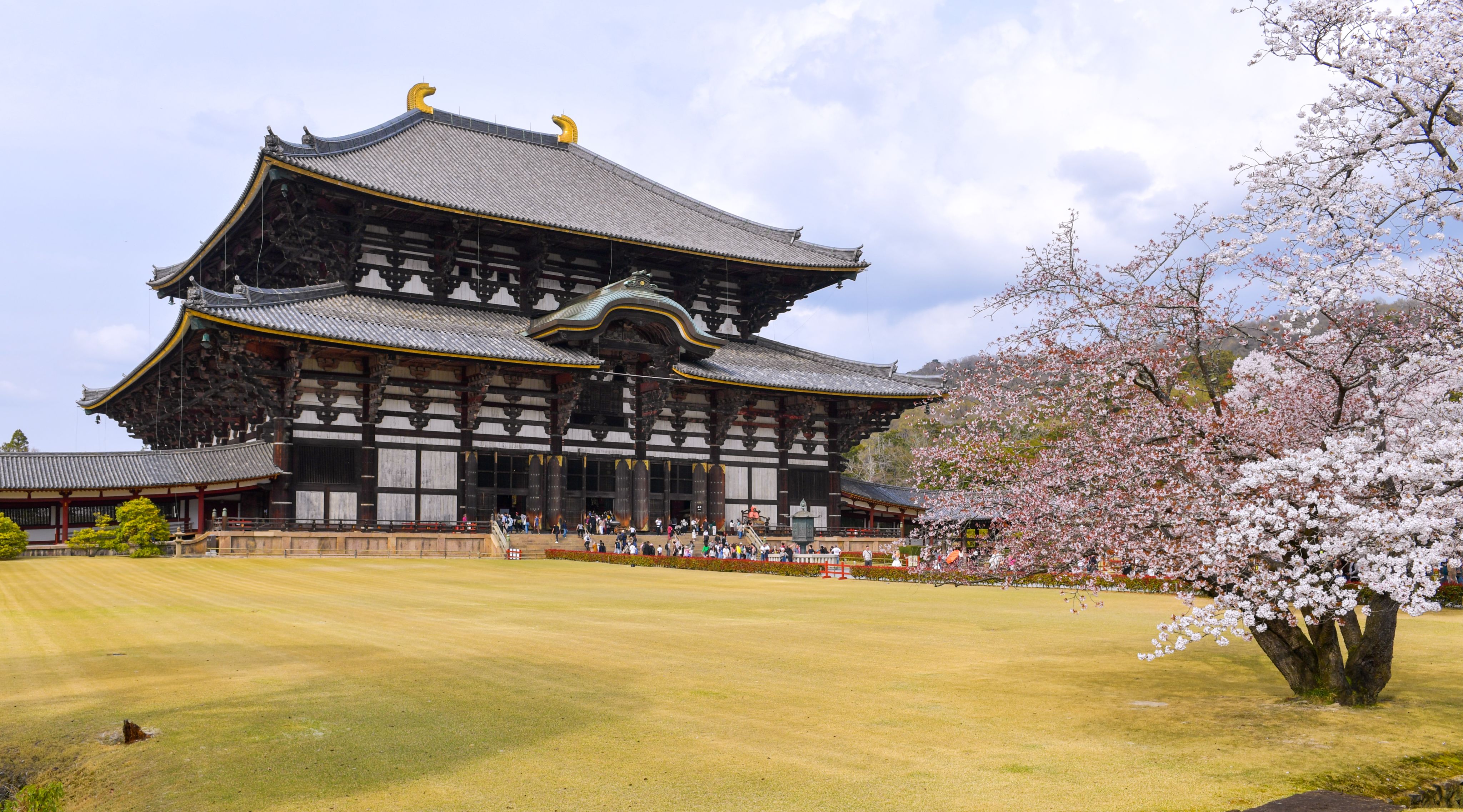
North of the park, visitors are stopped in their tracks by the impressive scale of the “Daibutsu den,” or the Great Buddha Hall, of 8th-century temple Todaiji. The hall is one of the largest wooden structures in the world, according to the temple. Enter and marvel at the 15-meter-high statue of the Great Buddha within.

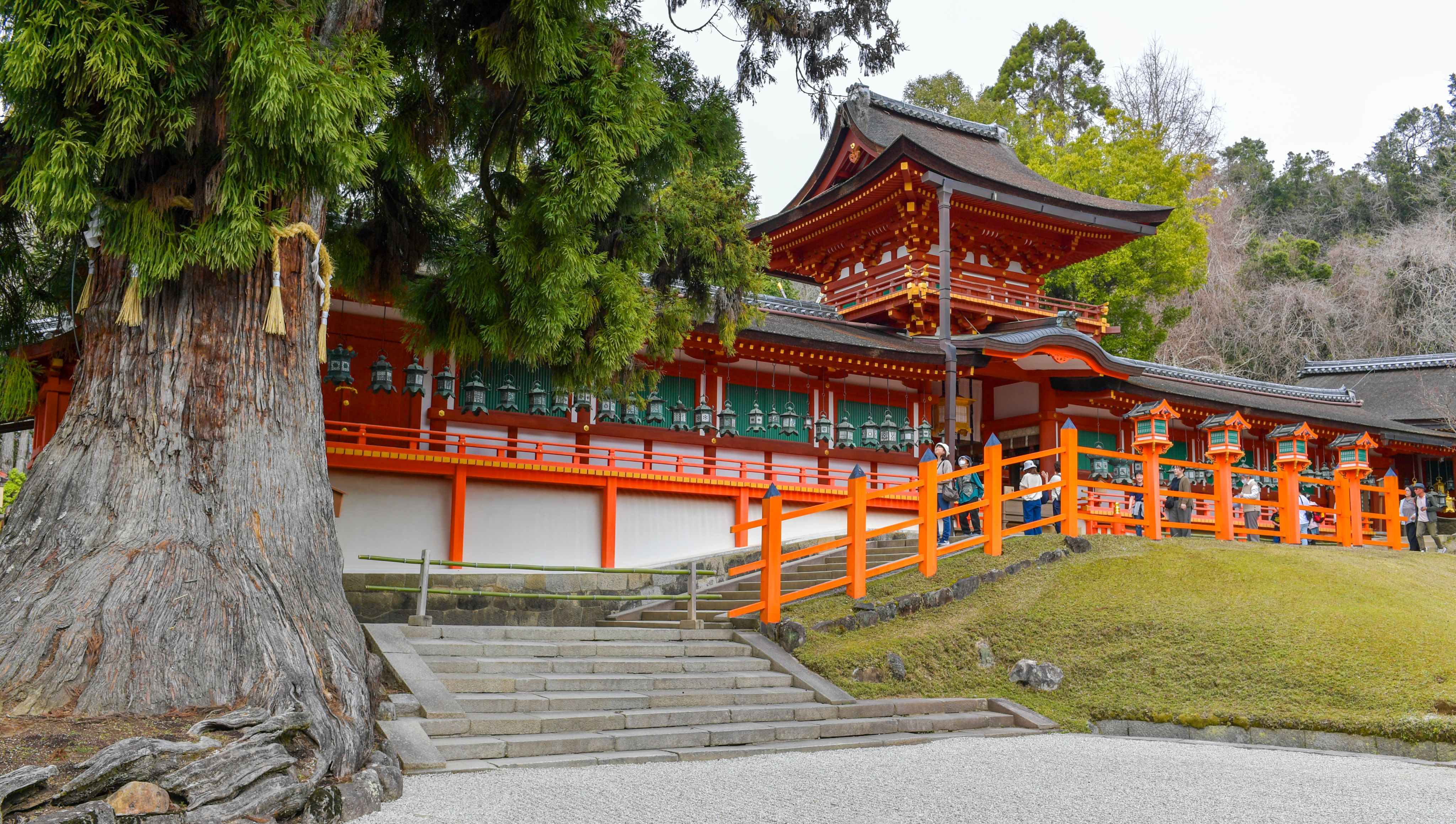
Shinto shrine Kasuga Taisha emerges from the forest at the foot of Mt. Kasuga, on the eastern fringes of the park. The attractive shrine, which also dates from the 8th century, is distinguished by its striking vermillion buildings and numerous hanging lanterns. Moss-covered stone lanterns line the shrine's atmospheric precincts and pathways. According to tradition, the shrine's buildings are repaired every 20 years.
Both Todaiji and Kasuga Taisha are among the eight Historic Monuments of Ancient Nara on the UNESCO World Heritage list.
From Kasuga Taisha, quiet pathways through the forest lead to Nara’s Takabatake district – a cultural hub once frequented by writers and artists. Peaceful and homely, Takabatake’s streets reward gentle strolls – past temples, shrines, and cultural properties – with cozy cafes serving tasty treats.

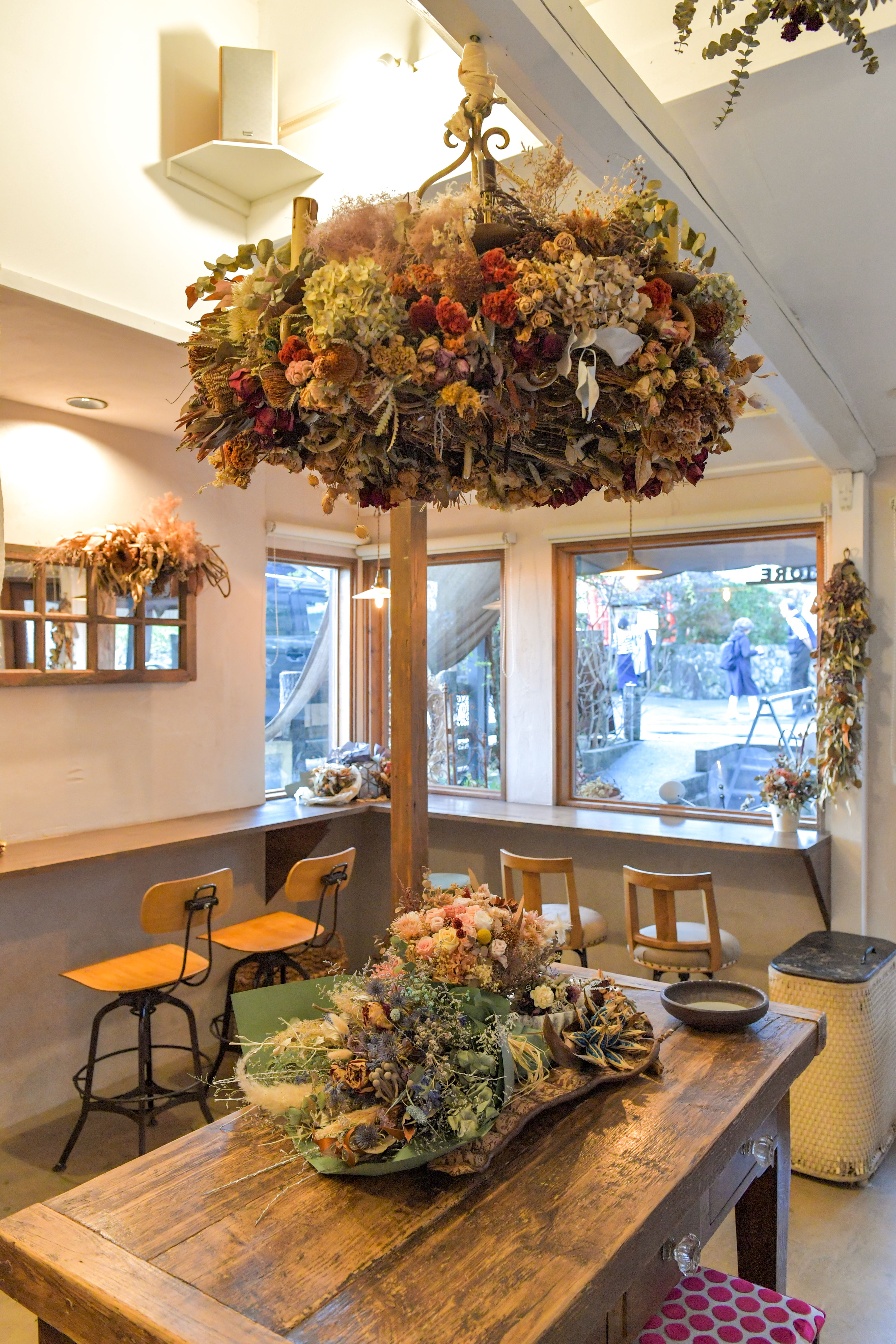
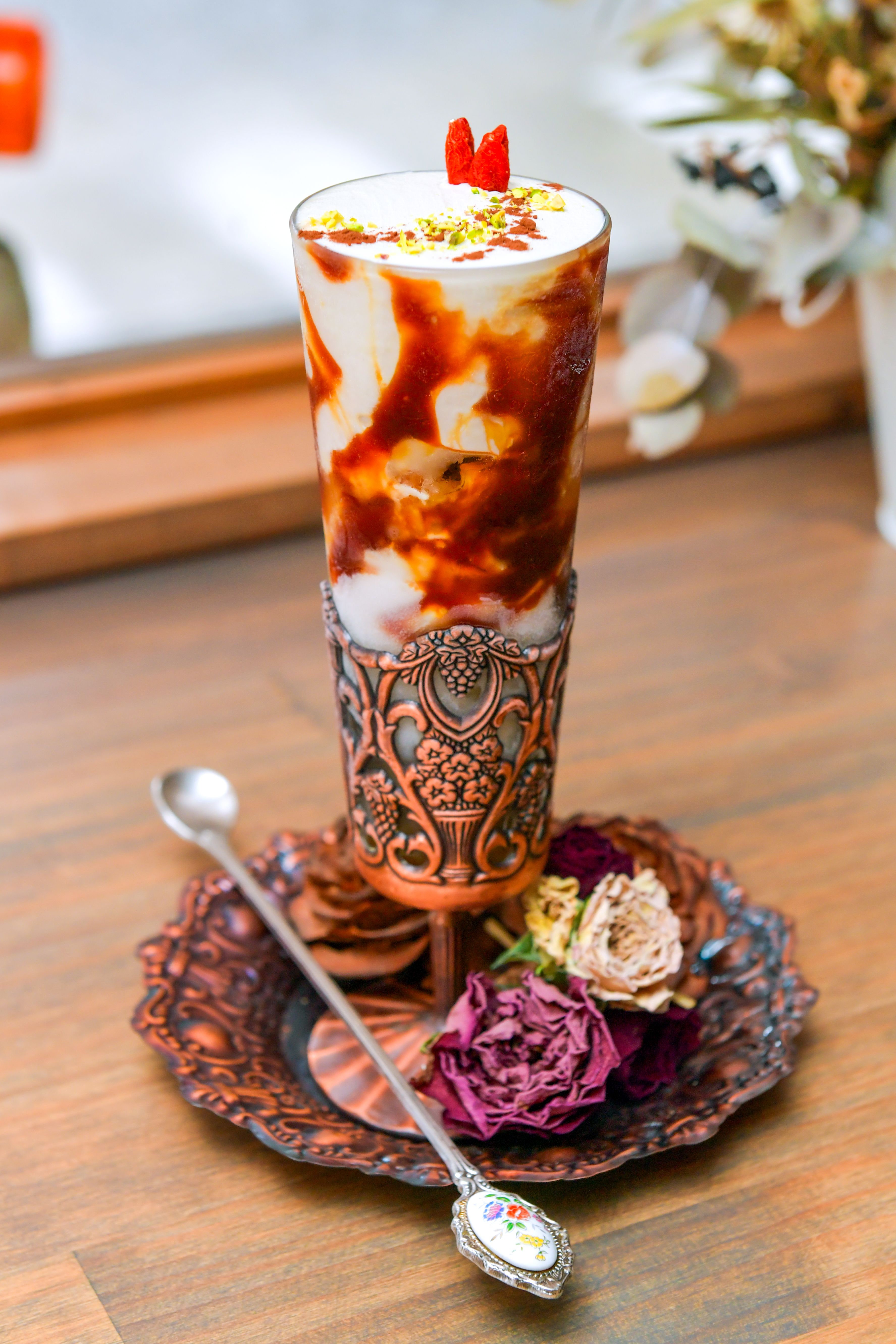
At Gelateria Fiore, diners can select from around 10 delicate flavors of gelato that change with the season to enjoy by the cone, cup, or glass. While the gelato crudo parfait looks as gorgeous as the cafe interior, it is made with gelato prepared to order, so diners should take photos quickly and tuck in.

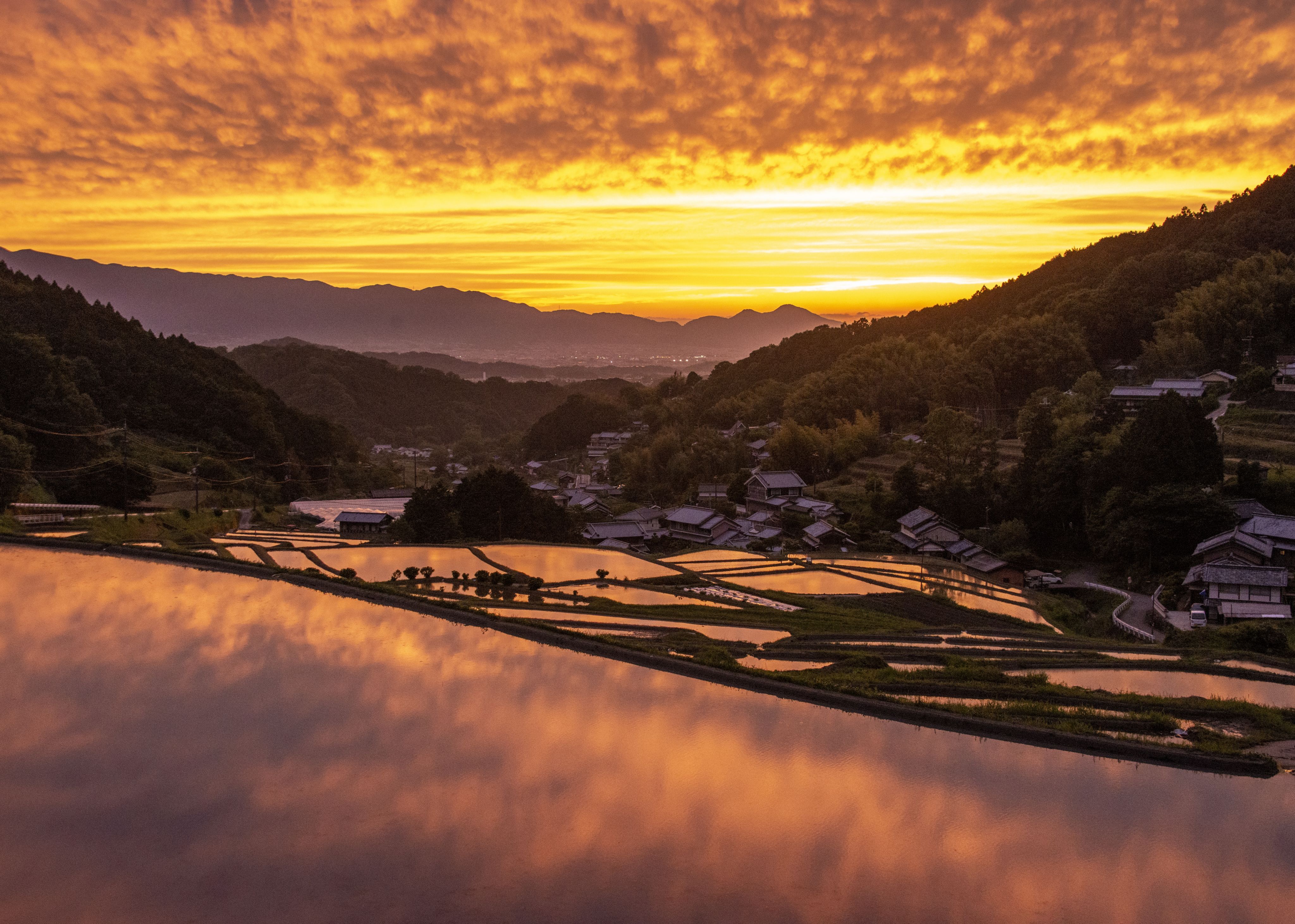
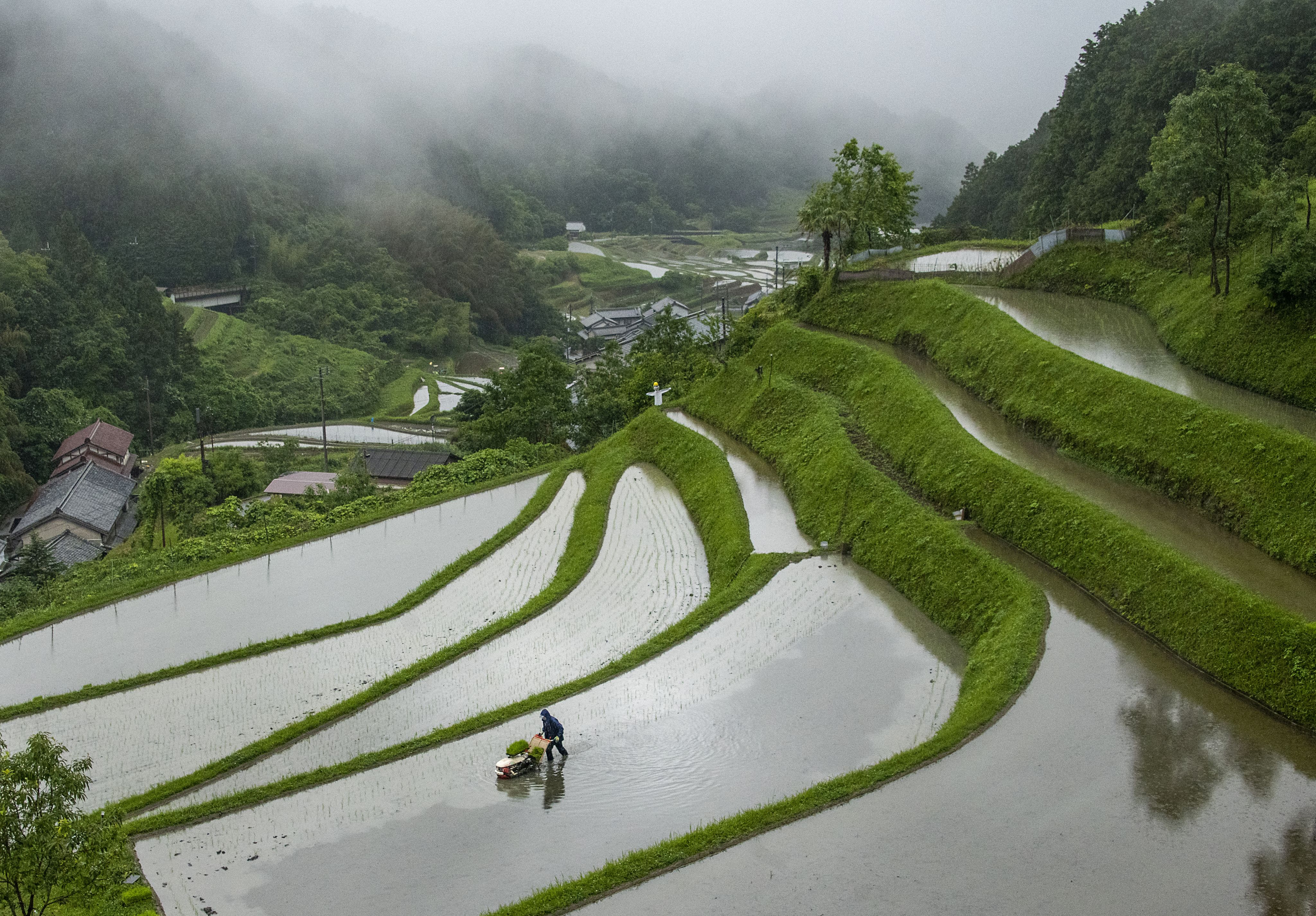
From one ancient capital to another, in Asuka, a village in central Nara Prefecture. At first glance, it might be hard to believe that this rural area was the political and cultural center of Japan – encompassing the sites of the former Asuka and Fujiwara palaces – over 1,300 years ago.

Courtesy of the Asuka Tourism Association
Courtesy of the Asuka Tourism Association
Deeper exploration amid the landscape of rolling hills and beautiful rice terraces, though, reveals ancient ruins and archeological sites, including the burial mounds of nobles and powerful families.

Courtesy of the Asuka Park Managing Center
Courtesy of the Asuka Park Managing Center
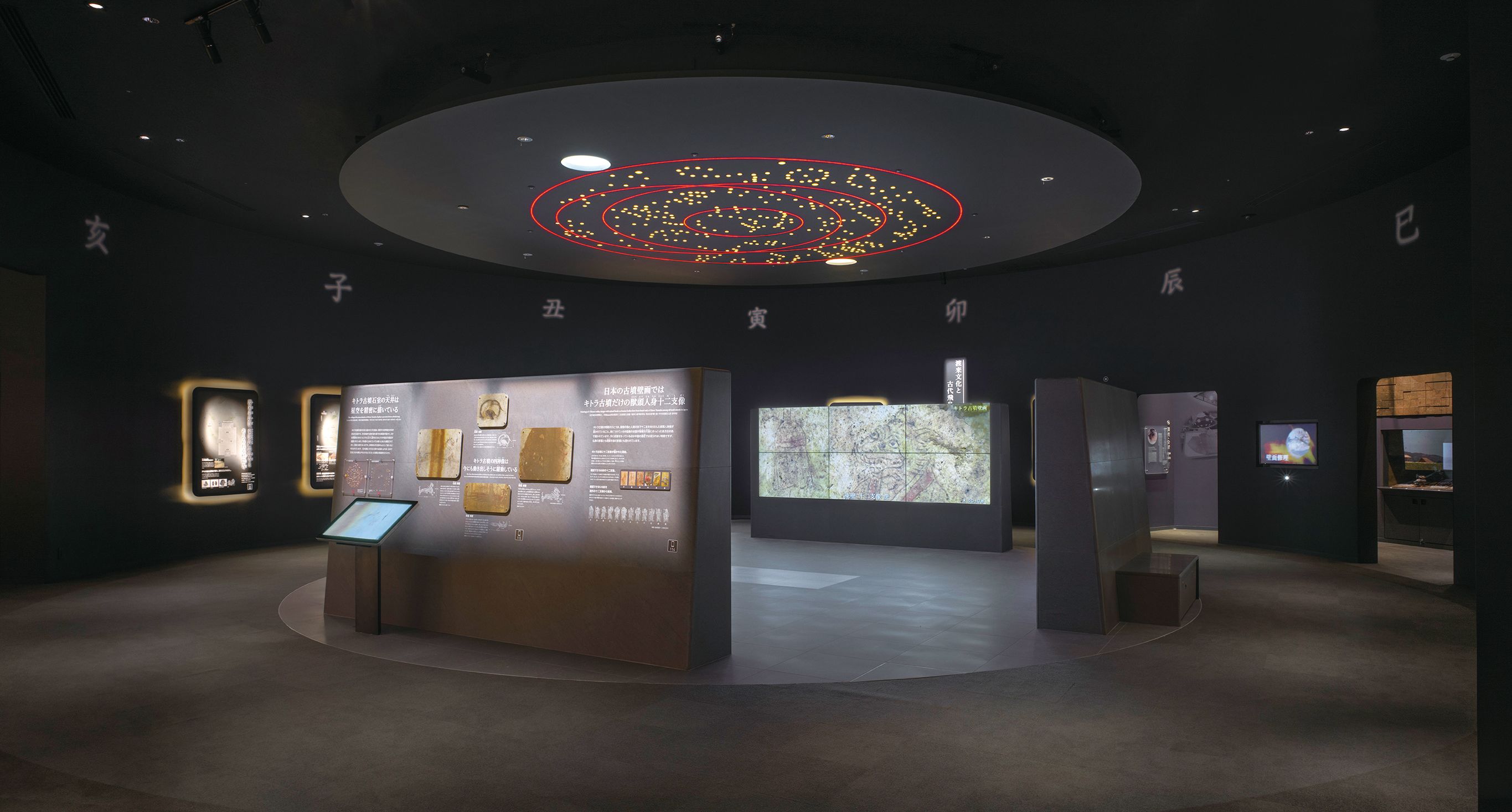
The Kitora Mounded Tomb is one of the area’s remarkable discoveries. Inside the late-7th to early 8th-century burial chamber, archaeologists found elaborate murals on the walls and ceiling, including the oldest surviving celestial map in East Asia. The murals – painstakingly rescued and preserved – are put on limited display in a museum at the base of the tomb, which offers free and fascinating insight (with English available on smartphones) into the tomb and its discovery.
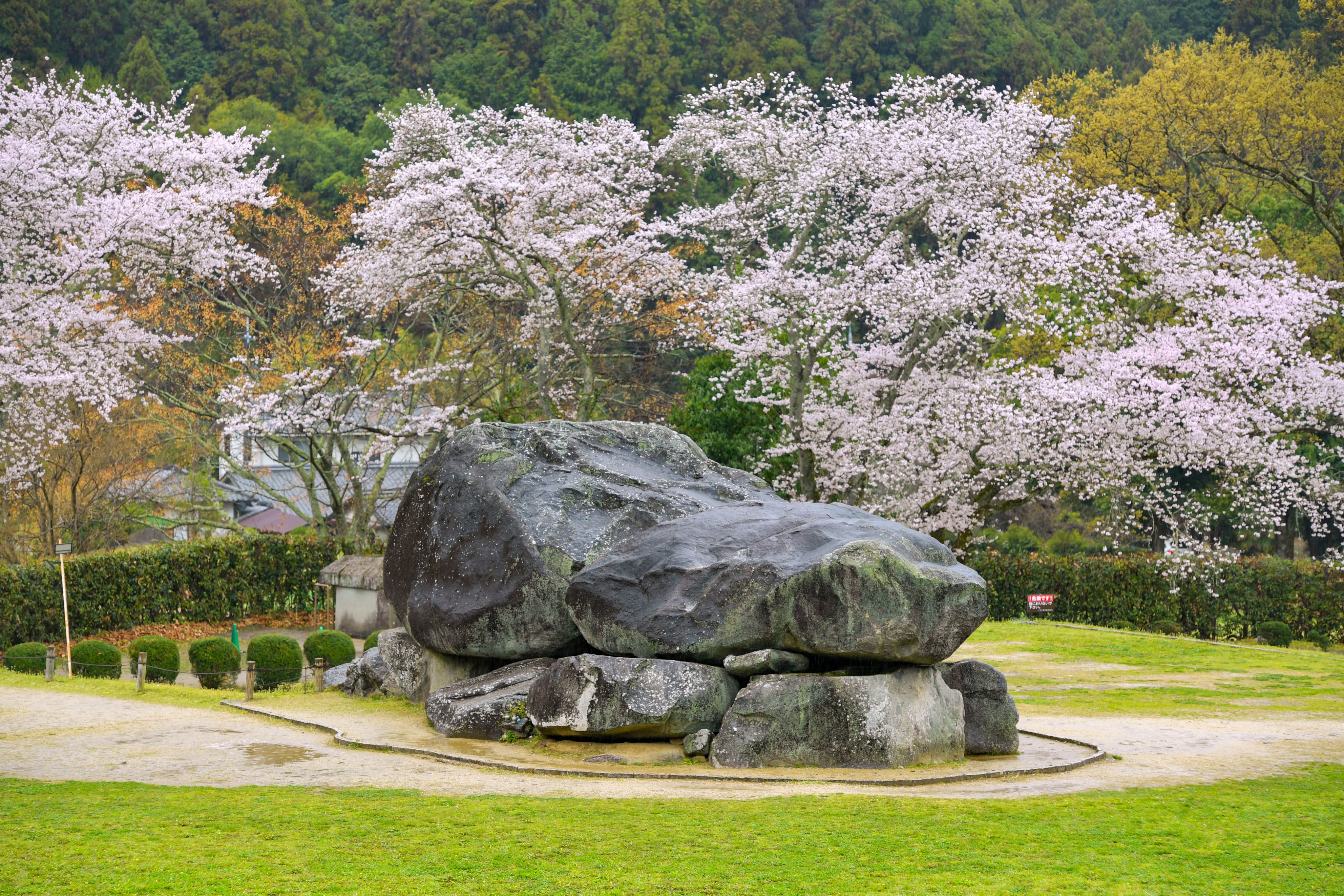
Another interesting site, the Ishibutai Mounded Tomb, occupies an attractive spot, surrounded by hills and cherry trees. Visitors can walk around the square tomb – one of the largest of its kind in Japan – and even enter the burial chamber. Among the huge stones that make up Ishibutai, the stone that forms the roof weighs around 77 tonnes.
From Asuka Station, the Kitora Mounded Tomb can be reached on foot, while the Ishibutai Mounded Tomb can be accessed by bus.
History runs deep in Sakai, a city near Osaka at the heart of the Kansai region.
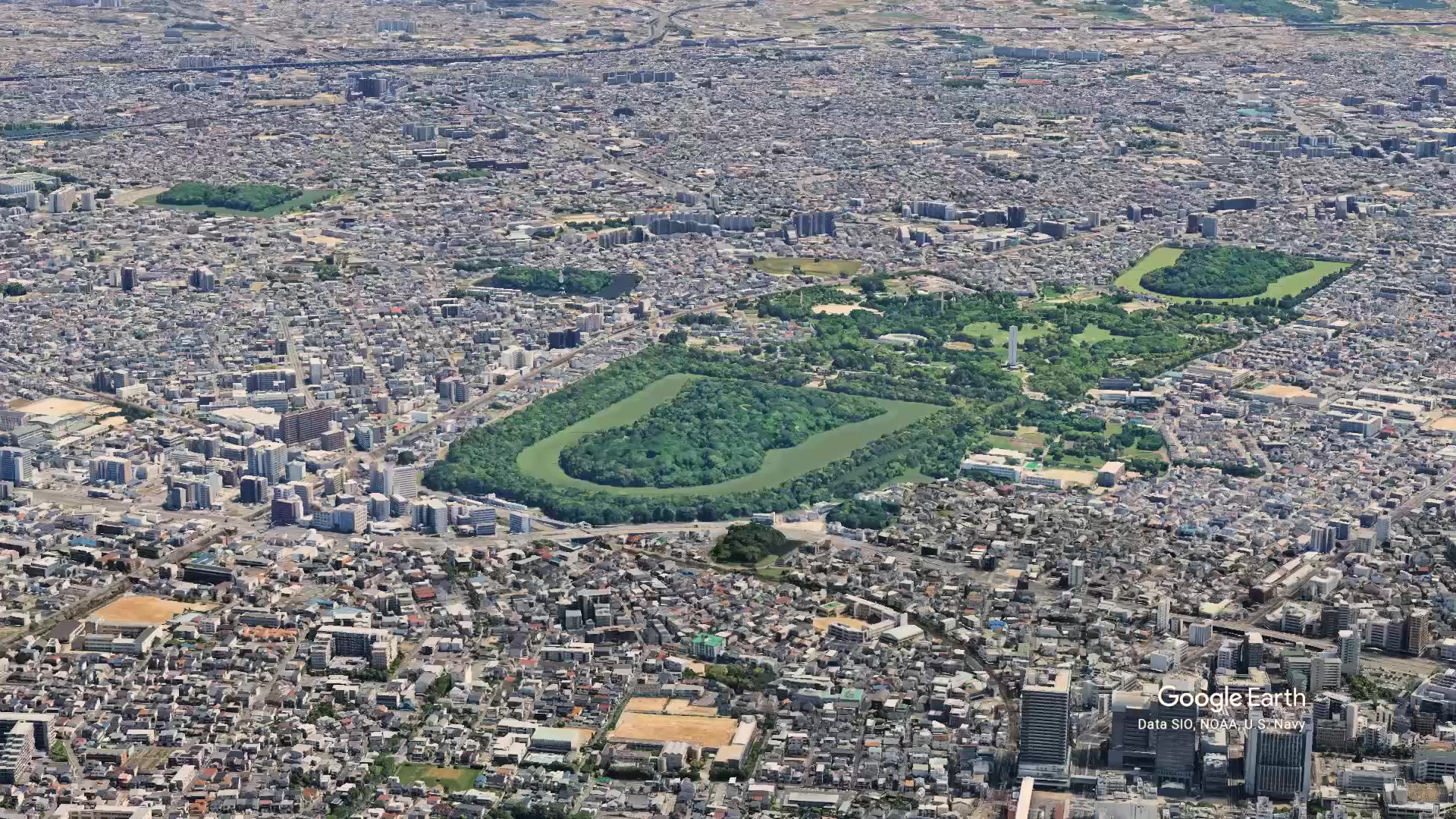
Sakai’s Mozu kofungun – mounded tombs for the elite – date back to the late 4th century when the region was a significant political and cultural center.
Today, Sakai’s 23 kofun form part of the UNESCO World Heritage-listed Mozu-Furuichi Kofun Group: Mounded Tombs of Ancient Japan.
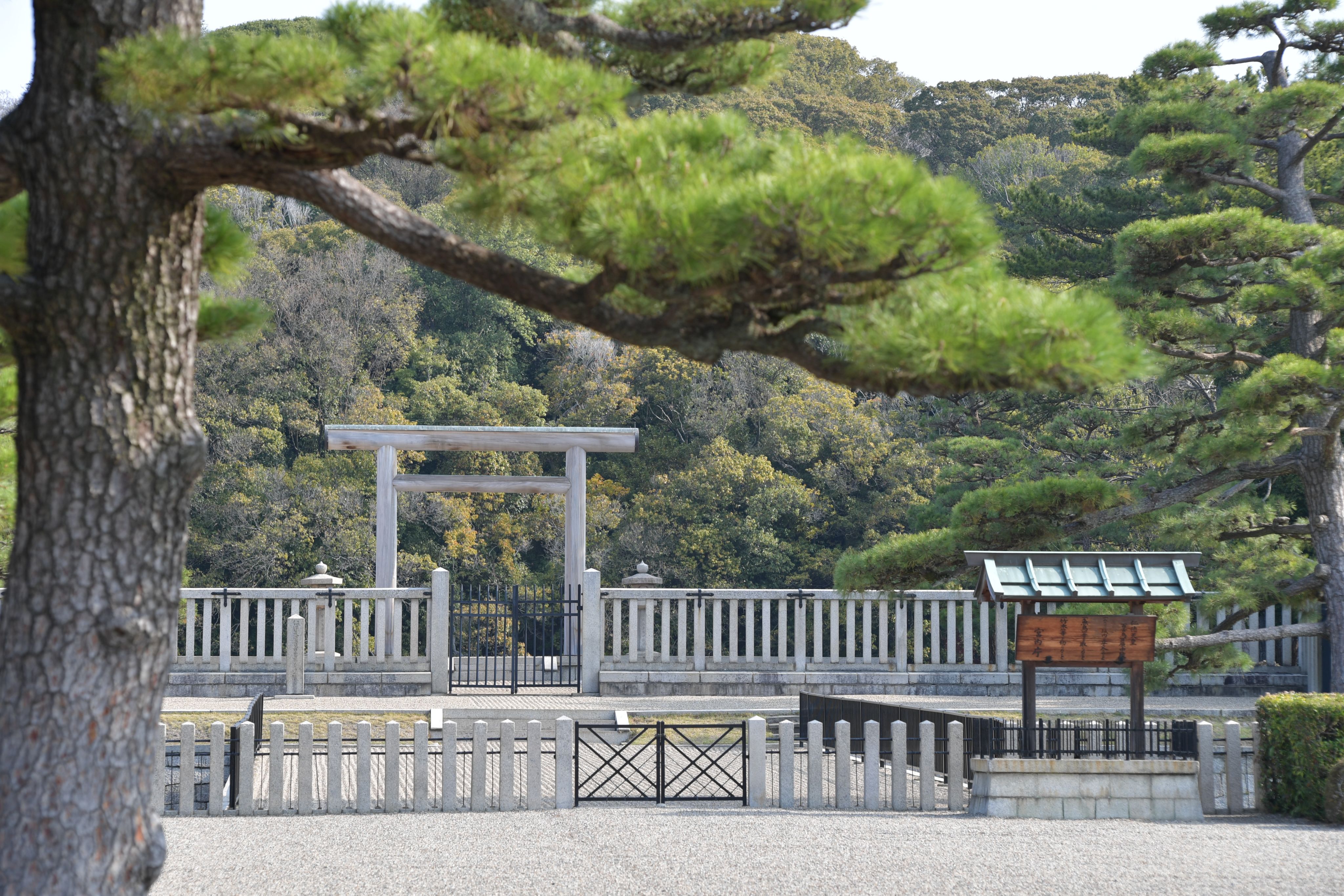
The kofun are a great way to explore Sakai and dive into the city's rich history. The Mozu Mounded Tombs Visitor Center, near Mozu Station, provides information on the tombs and bicycles for rent – a recommended way to travel between sites.
One school of thought about the kofun in Sakai is that they were constructed to be visible from the sea in a display of power to visitors from other parts of Japan and from overseas, at a time when the city was a maritime gateway to continental Asia.

Courtesy of Sakai City
Courtesy of Sakai City
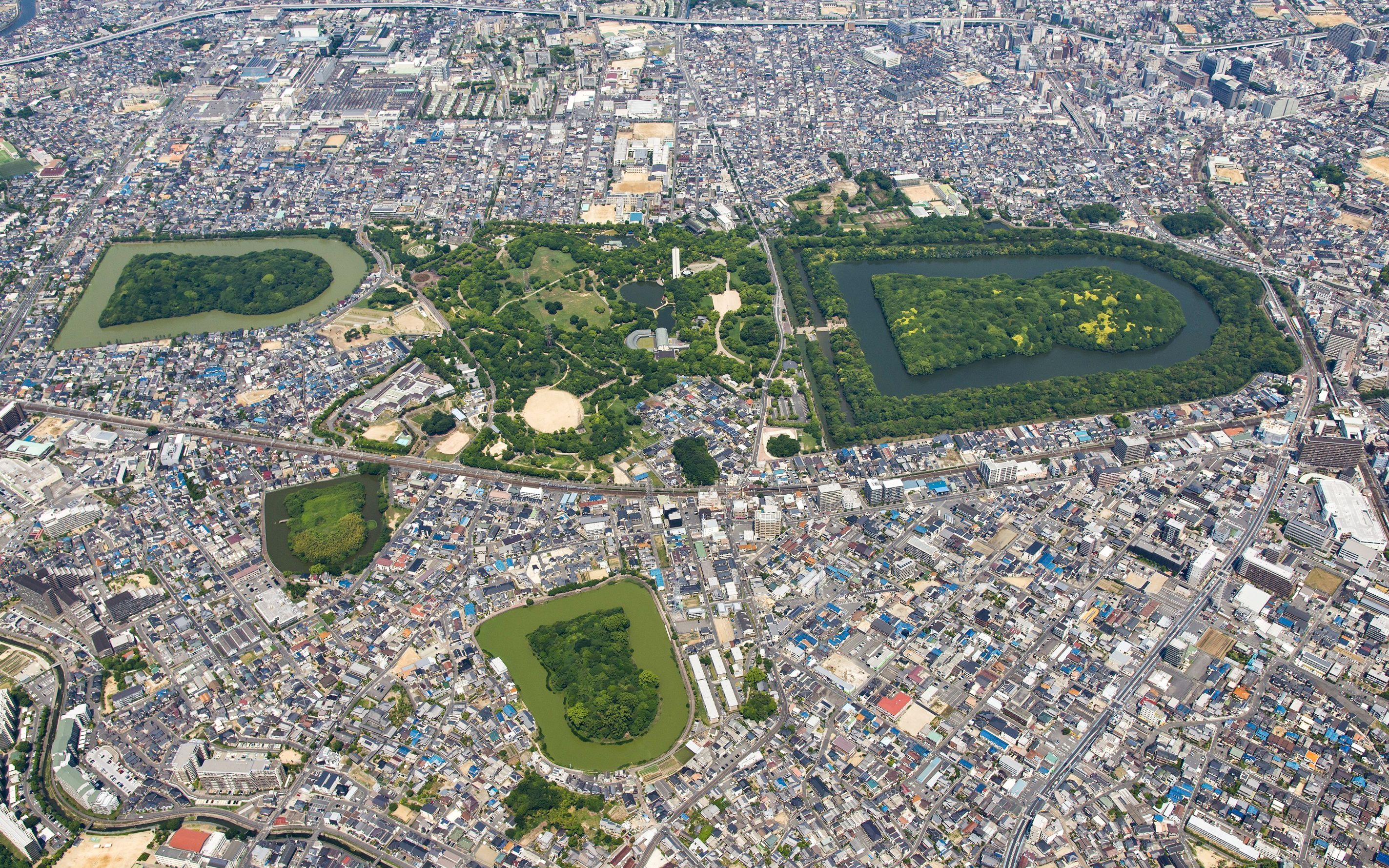
At nearly 500 meters in length, the keyhole-shaped Nintoku-tenno-ryo Kofun was perhaps the grandest display and the largest of the city’s kofun. It is also one of the largest tombs in the world – along with the Pyramid of Cheops in Egypt and the Mausoleum of the First Qin Emperor of China.
Like many kofun, Nintoku-tenno-ryo Kofun is encircled by moats and cannot be entered. For an aerial view, balloon rides are available from Daisen Park.


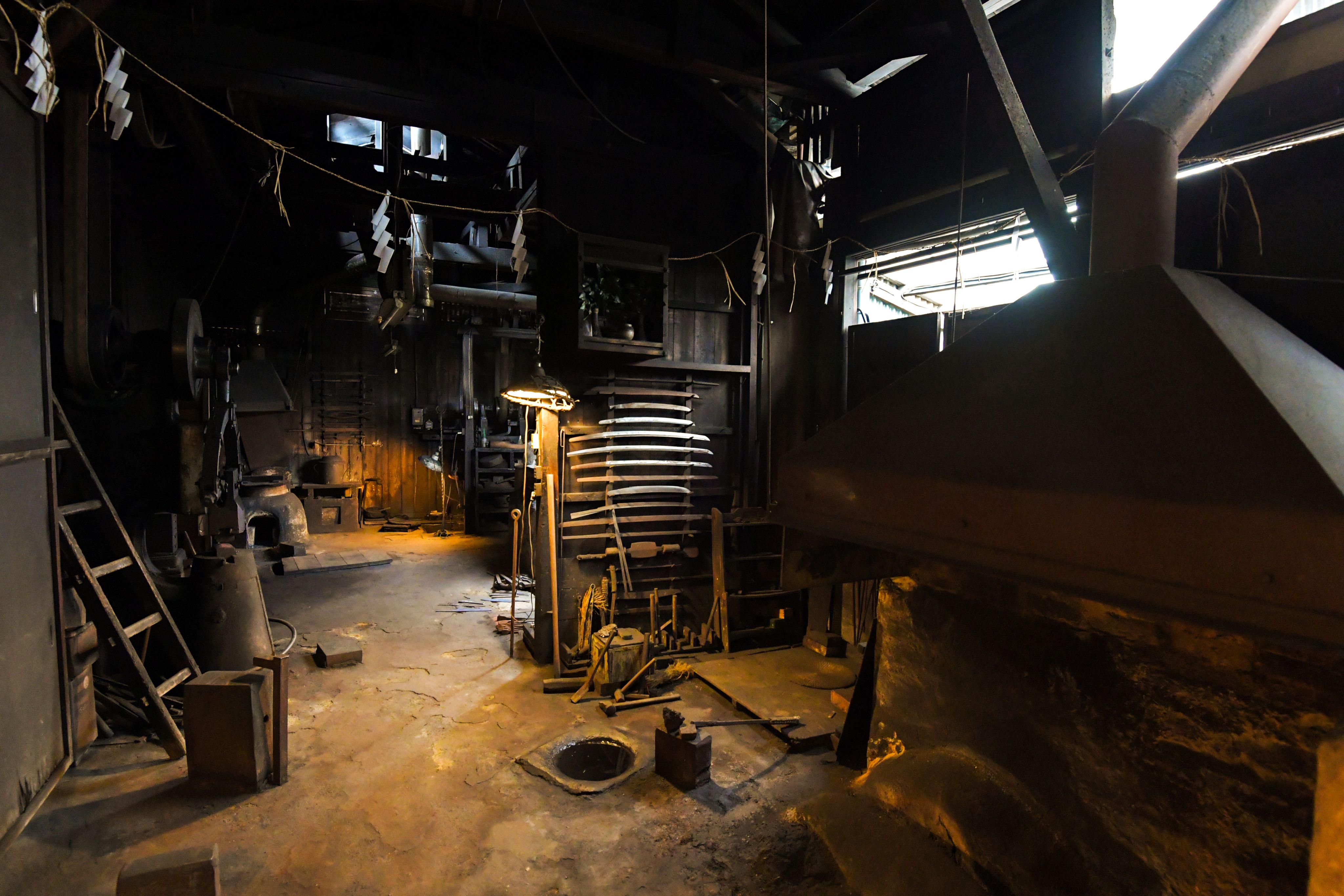
Sakai’s reputation for forging fine knives – uchihamono – spread in the early 18th century, when demand for knives to cut tobacco was high. The blades from Sakai were said to be particularly sharp, winning the seal of approval from the ruling shogunate.

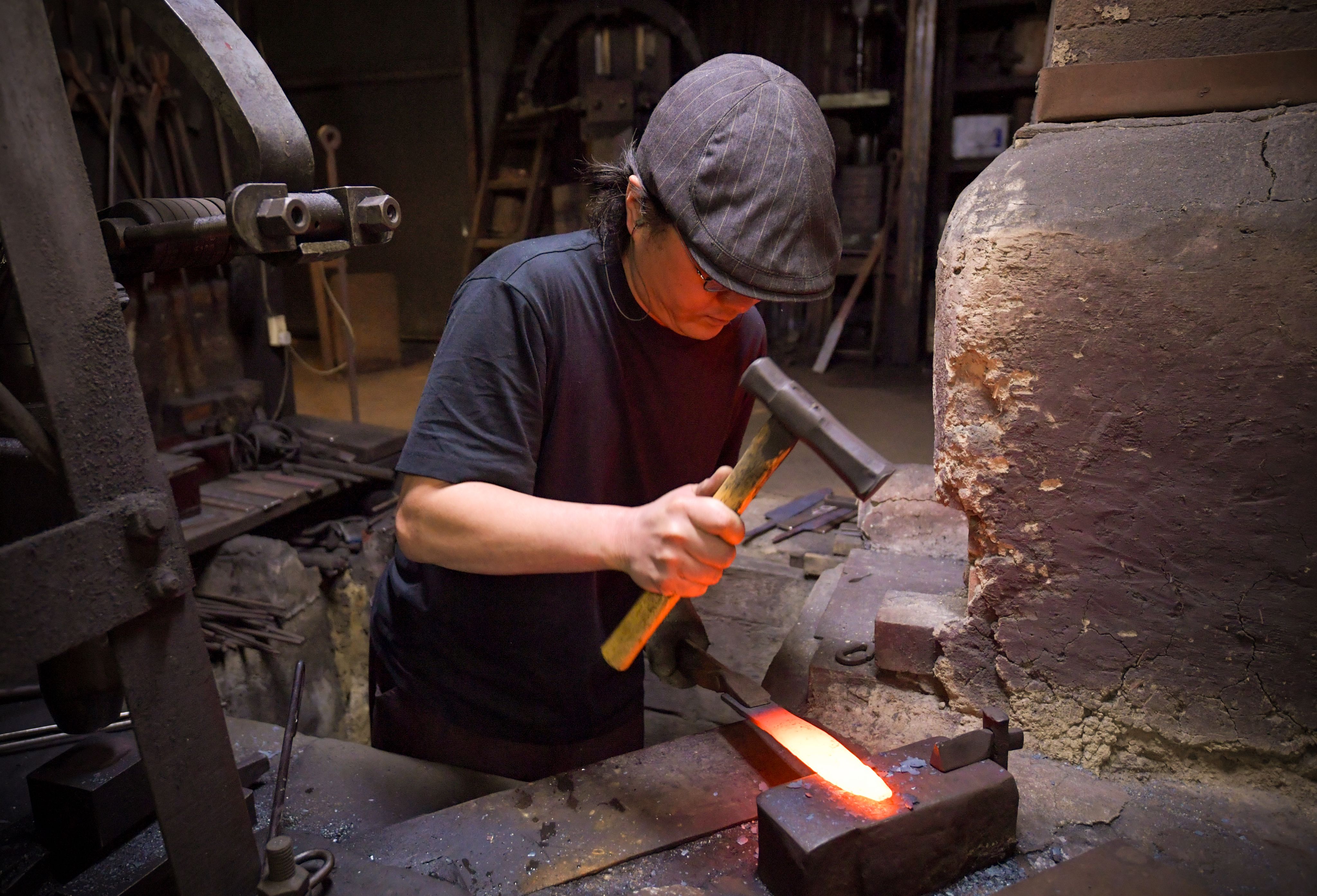
Today, Sakai’s blacksmiths forge knives favored by chefs the world over, and the city is one of Japan’s great production centers for blades. Visitors can explore Sakai’s forging tradition at the city’s stores, workshops, and museums.
Mizuno Tanrenjo was established in 1872, initially forging kitchen knives. During World War II, the company also started producing swords. While kitchen knives are the mainstay today, Jun Mizuno, the company’s 5th president, is the only blacksmith in Osaka still producing swords.
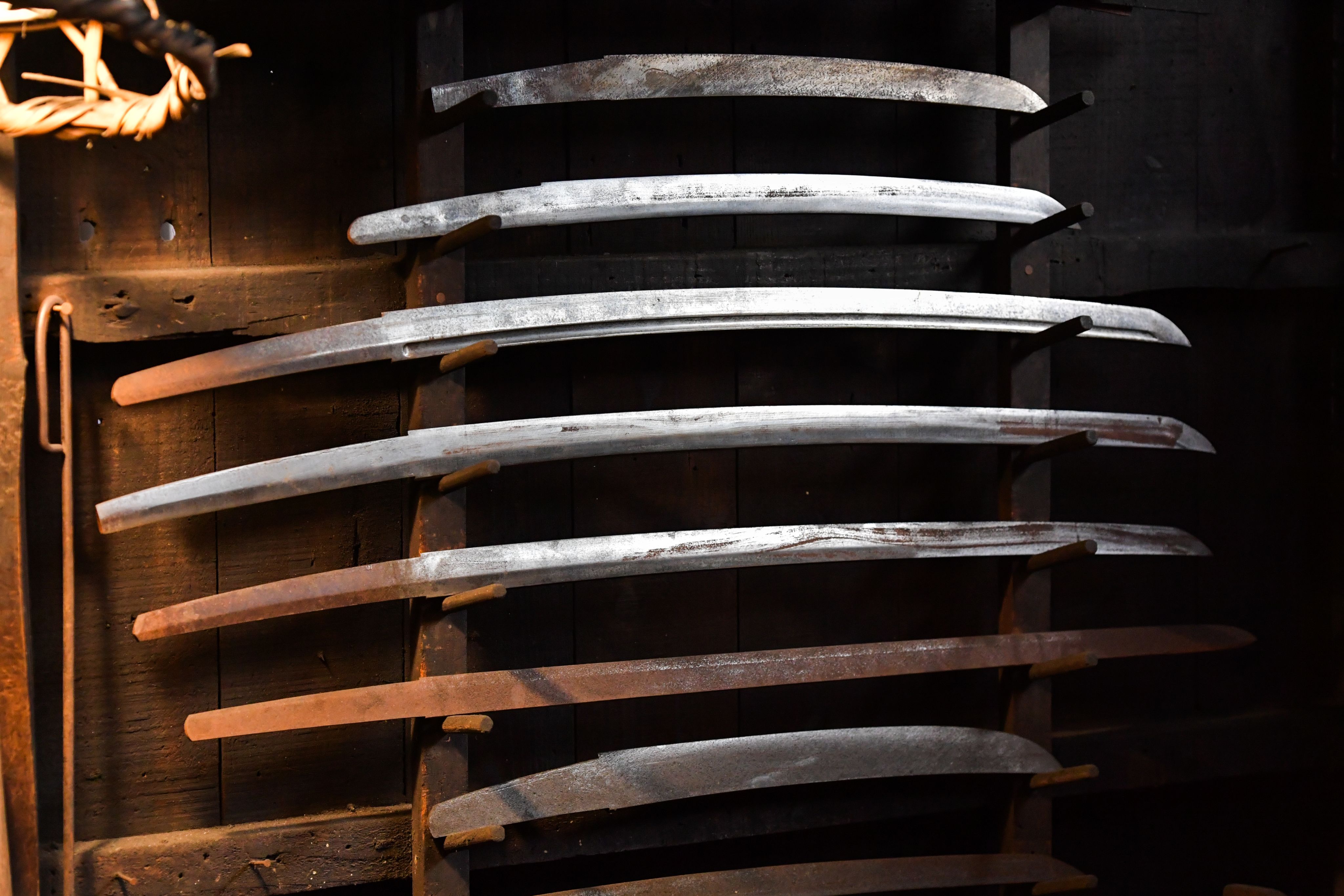
With demand for Sakai’s knives high, particularly among foreigners, Mizuno is a busy man. With advance reservations, though, visitors can tour the atmospheric workshop behind the Mizuno Tanrenjo retail store. Depending on the timing or season, they may be able to witness Mizuno forge blades.
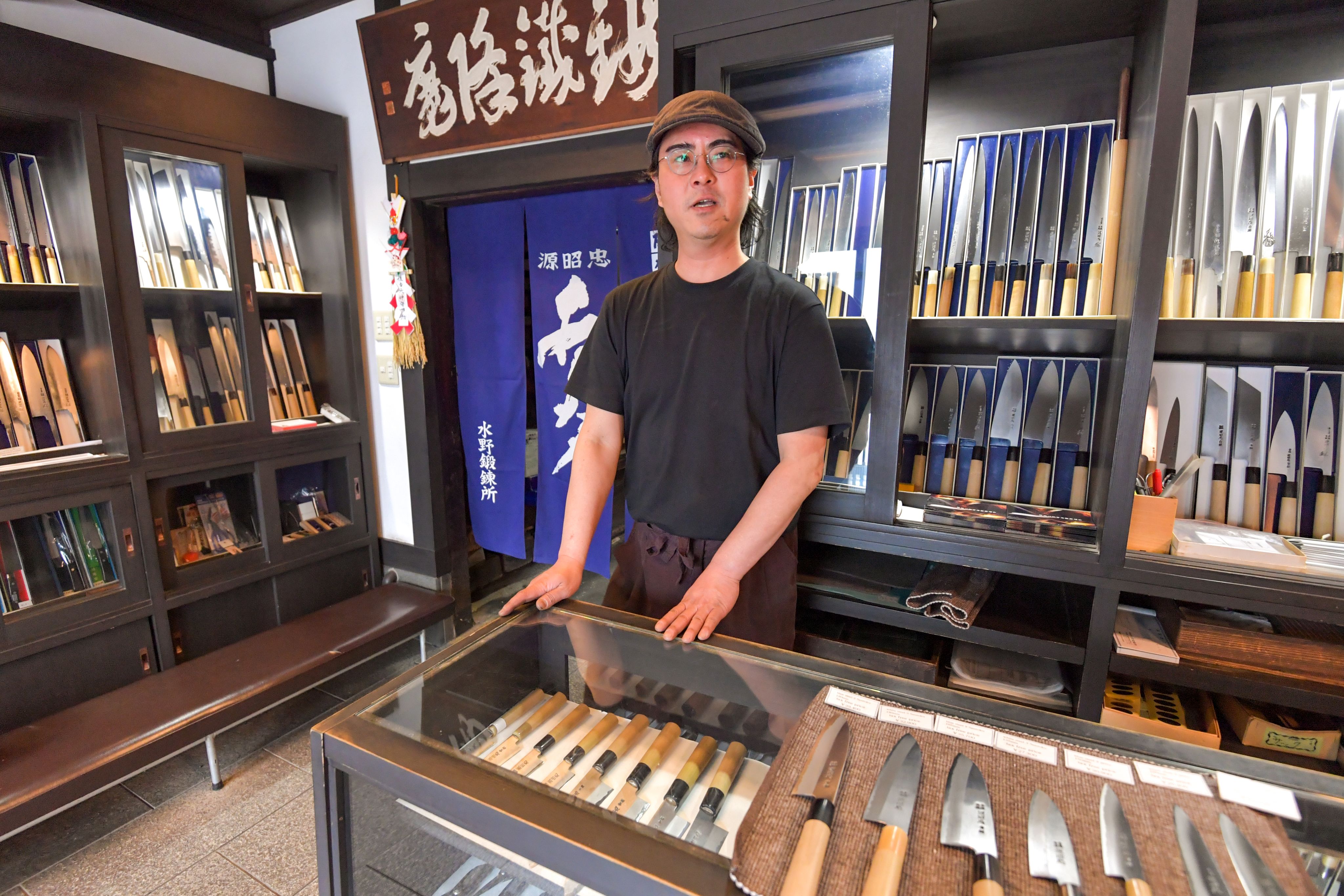
Around 300 types of knives are used in the preparation of traditional Japanese cuisine, according to Mizuno. Some of these knives can be purchased at the workshop’s store. The all-purpose santoku knife – for meat, fish, and vegetables – is a popular seller.
“Sakai’s knives have gained recognition overseas, so a lot of people make the trip here just to buy them,” Mizuno says.
During the 16th century, while feudal lords across Japan were engaged in power struggles, merchants in peaceful Sakai accumulated wealth through foreign trade. Out of this grew cultural activities, including “sado,” or tea ceremony.

One of Japan’s most celebrated masters of tea ceremony was Sen no Rikyu, who was born in Sakai in 1522 and spent most of his life in the city.
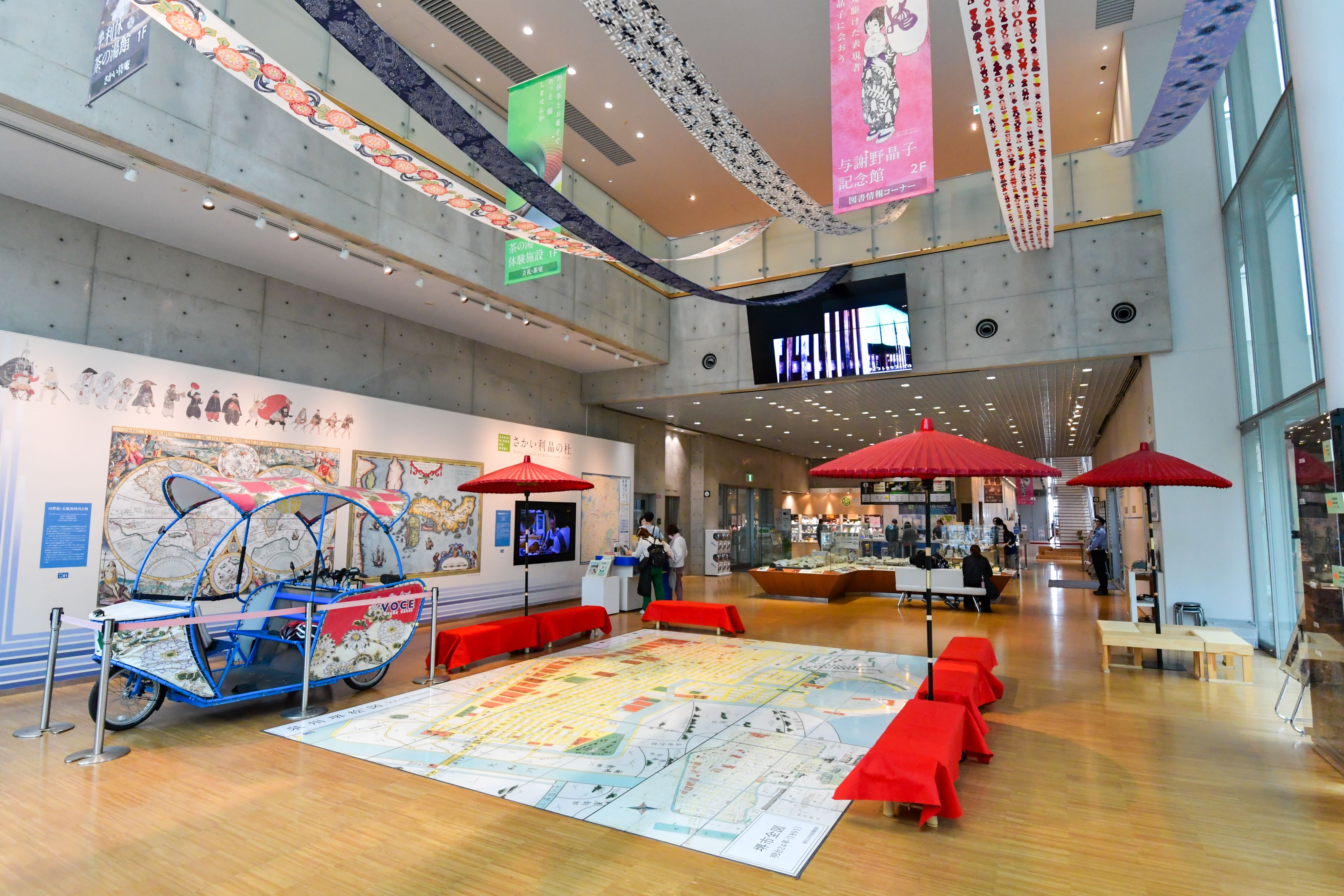
Visitors can learn more about the legendary tea master at the Sakai Plaza of Rikyu and Akiko – a modern facility showcasing the history and culture of Sakai through its most famous historical figures.

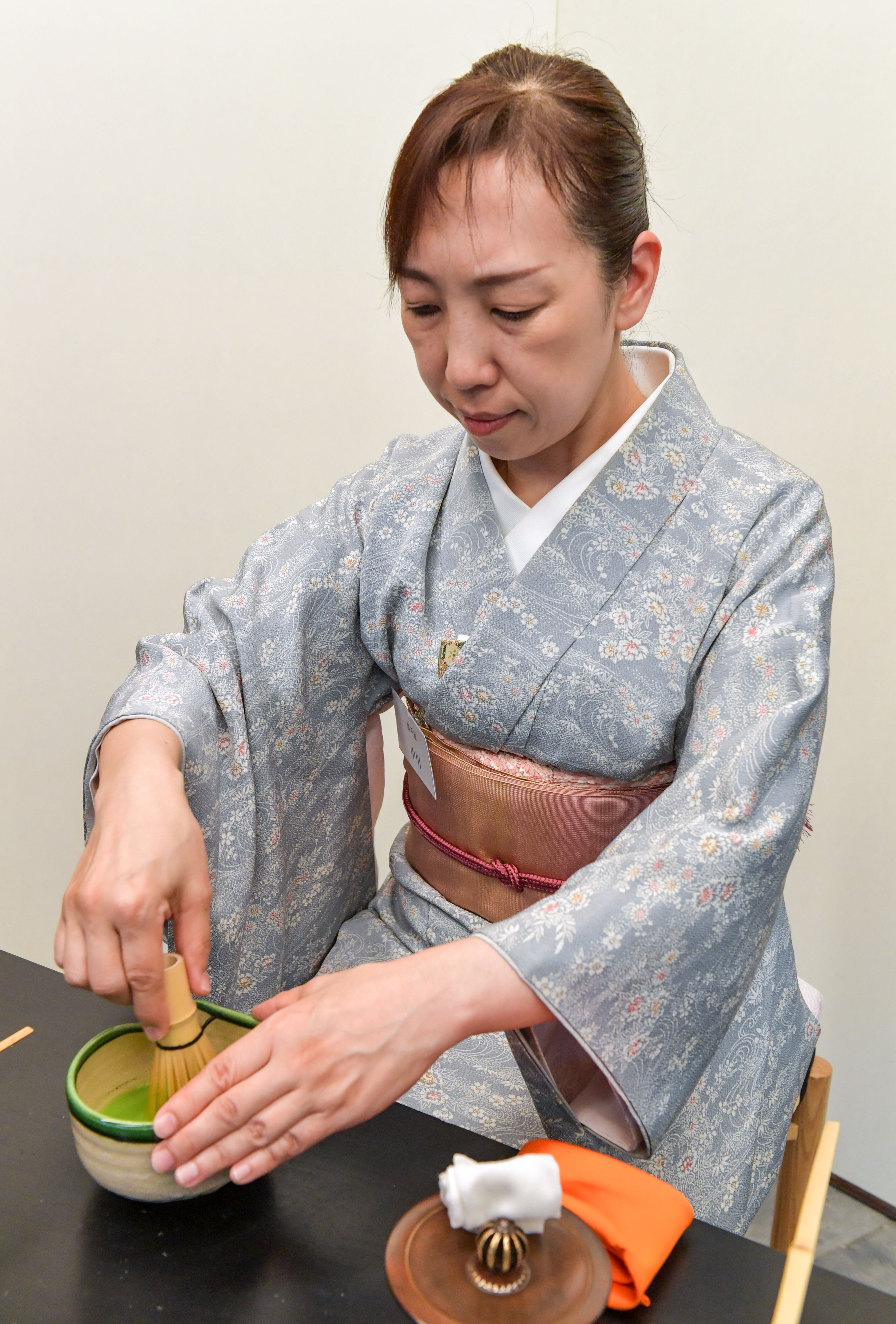
A permanent exhibition at the plaza introduces the city into which Rikyu was born, and looks at the evolution of the tea ceremony under his influence.
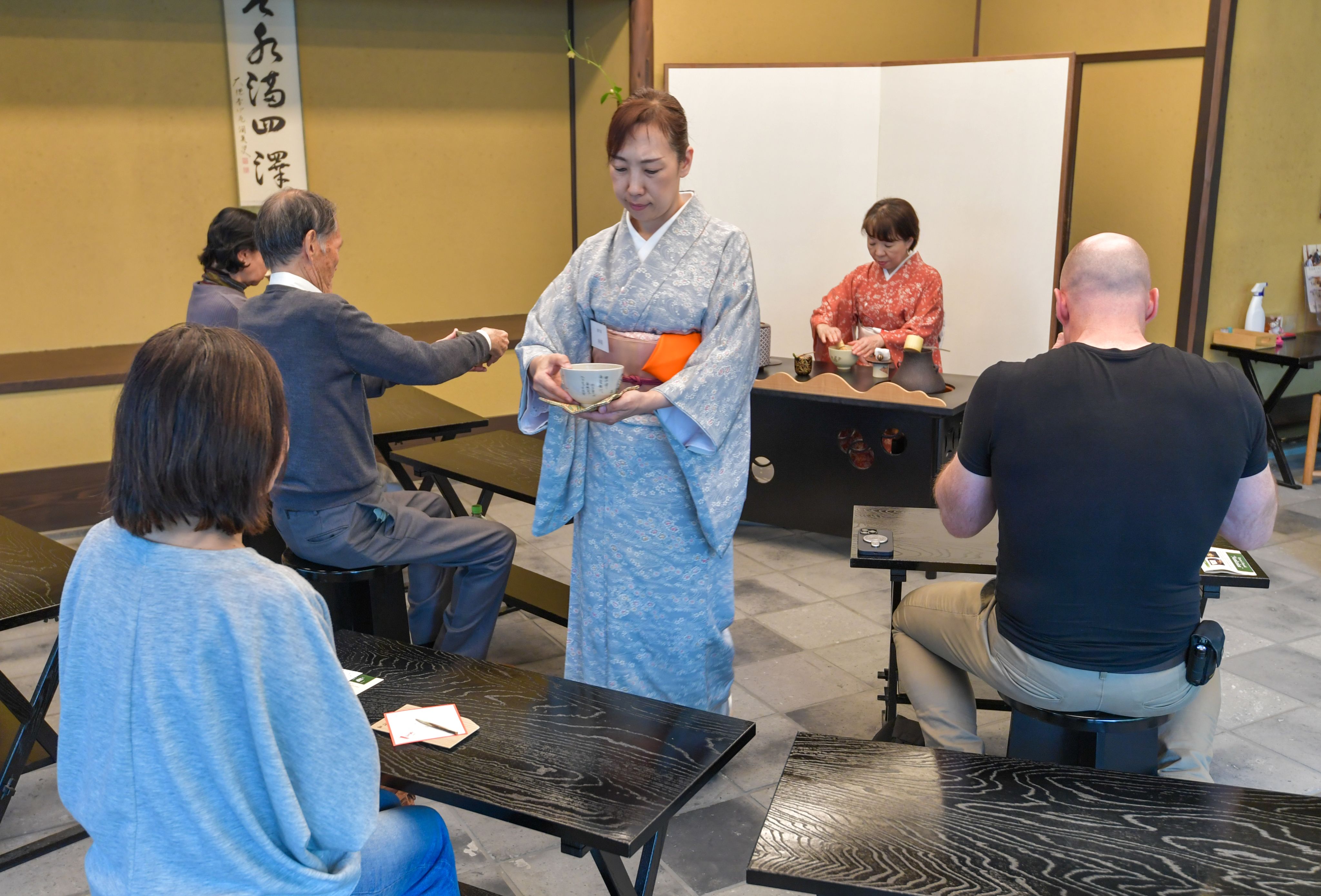
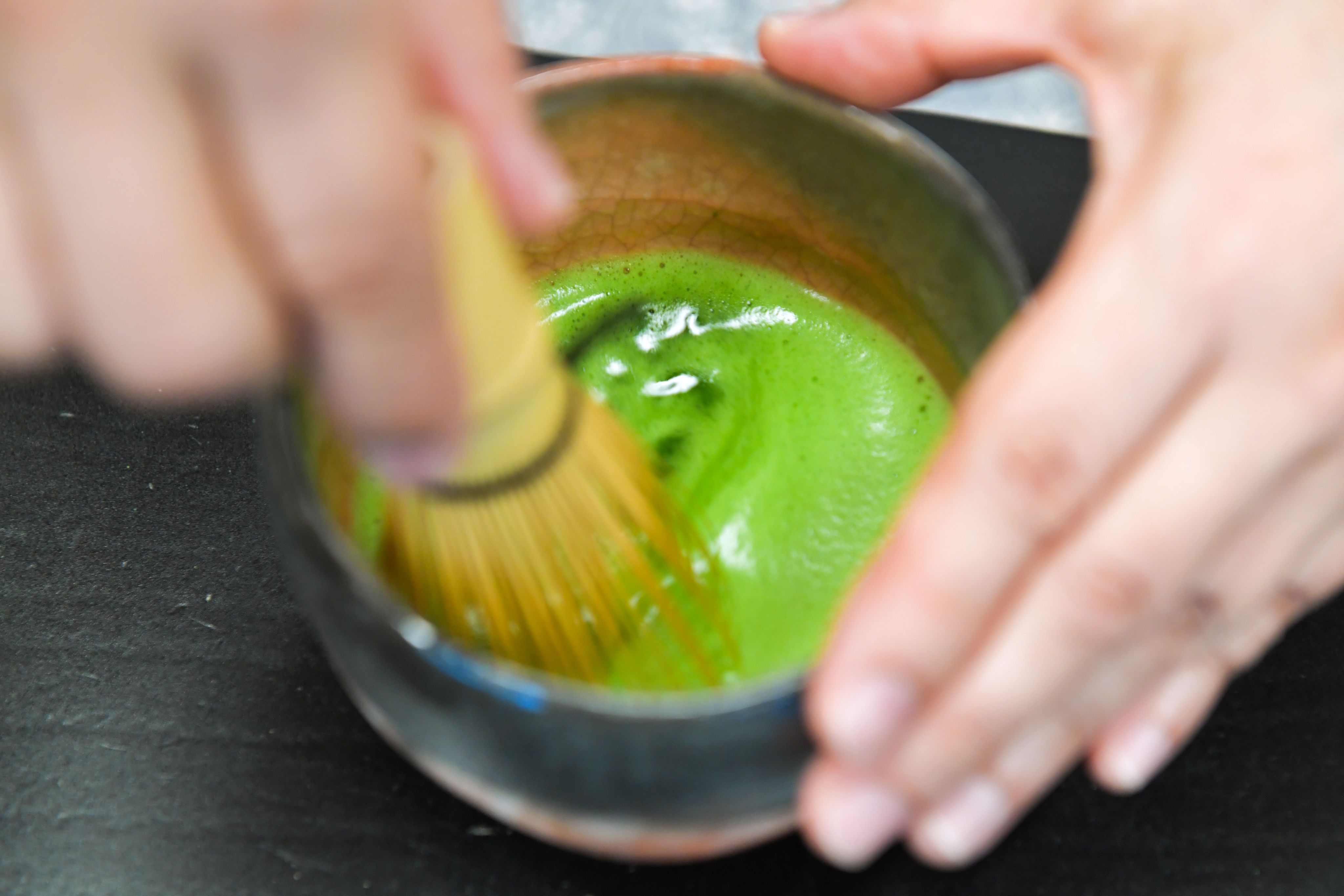
Better still, casual ryurei tea ceremonies are hosted daily in an area of the plaza which faces the former site of Sen no Rikyu's residence. Sitting on chairs, visitors can enjoy authentic matcha and traditional Japanese sweets served according to the styles of Japan’s three main tea ceremony schools – Omotesenke, Urasenke, and Mushakojisenke – all born from Rikyu’s influence. Styles rotate throughout each month.
This article was supported by the Union of Kansai Governments





Discover more...

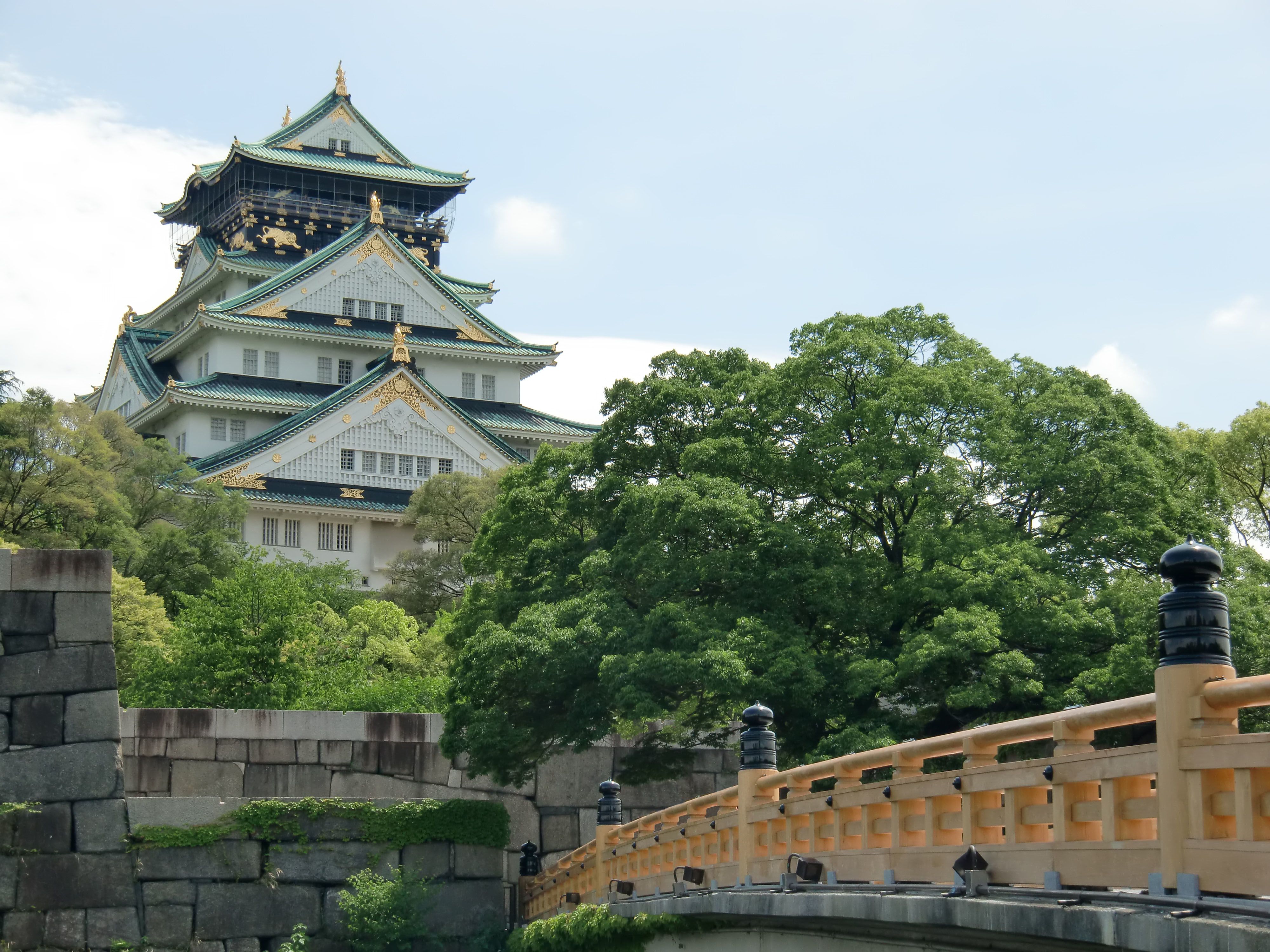










Main tower of Osaka Castle, Osaka City
Main tower of Osaka Castle, Osaka City

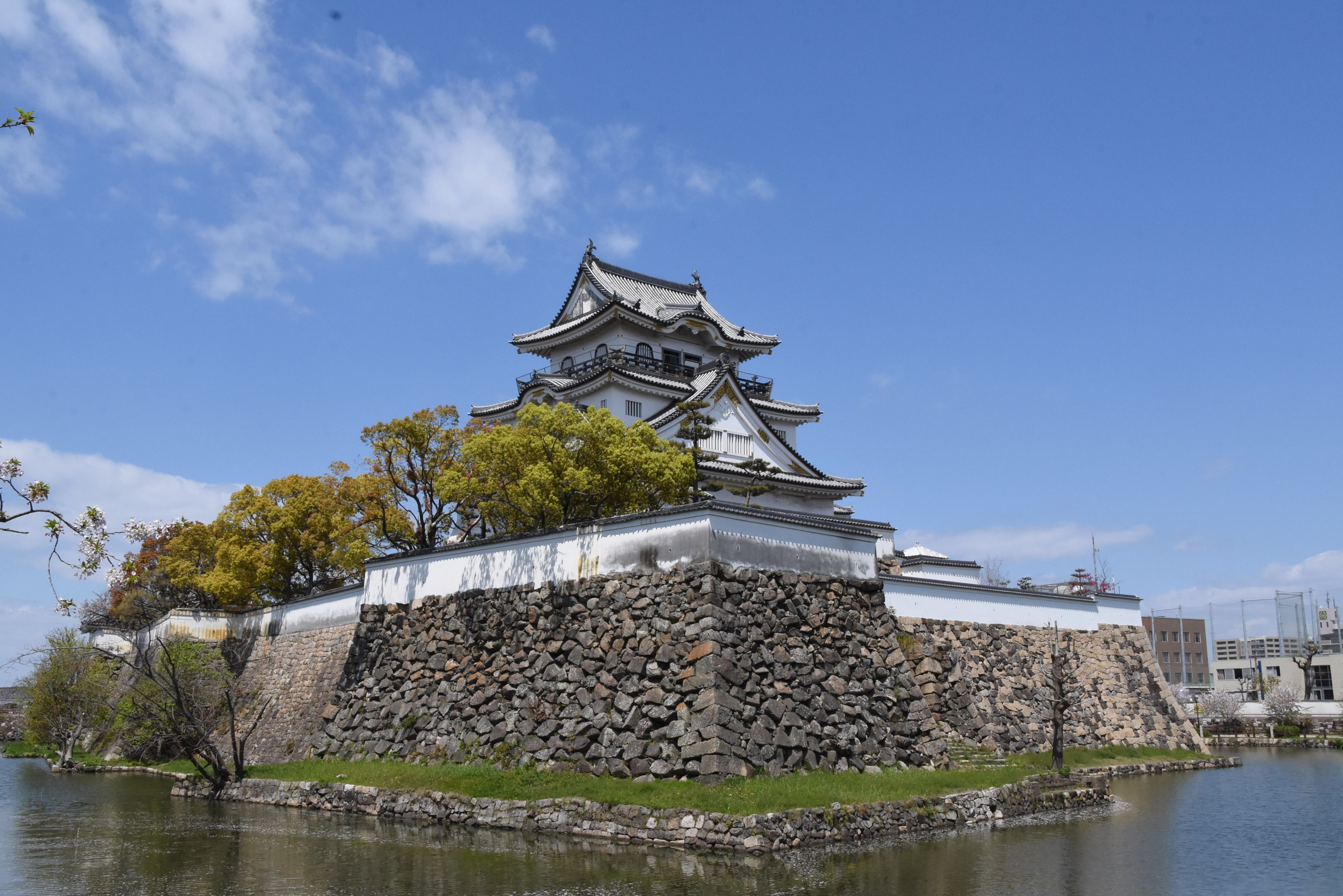
Kishiwada Castle, Osaka Prefecture
Kishiwada Castle, Osaka Prefecture

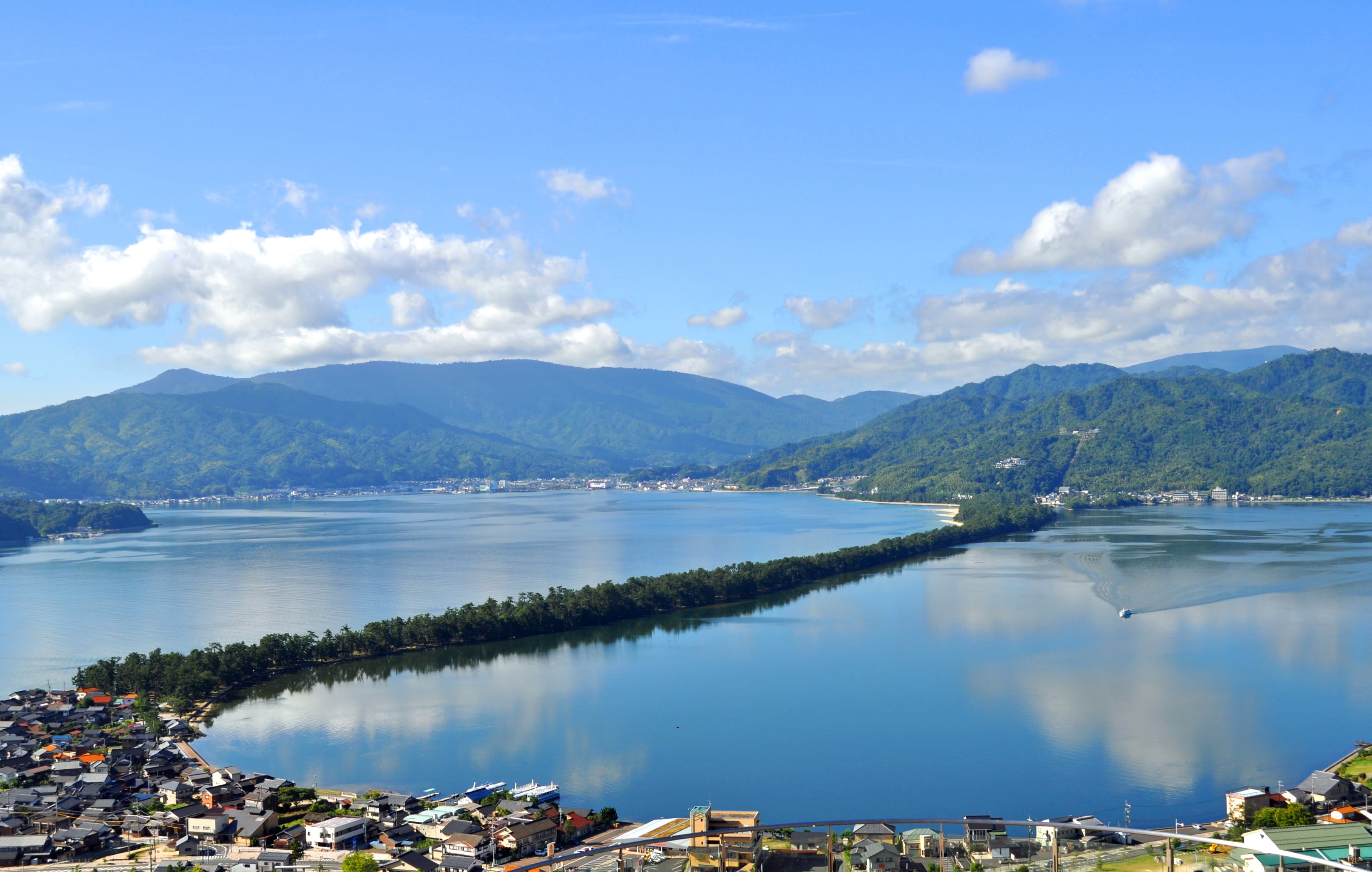
Amanohashidate, Kyoto Prefecture
Amanohashidate, Kyoto Prefecture

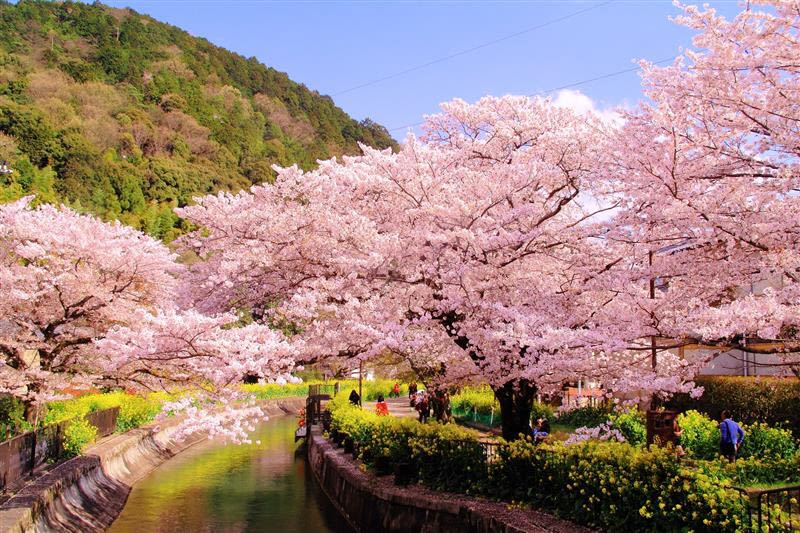
Yamashina Ward, Kyoto City
Yamashina Ward, Kyoto City

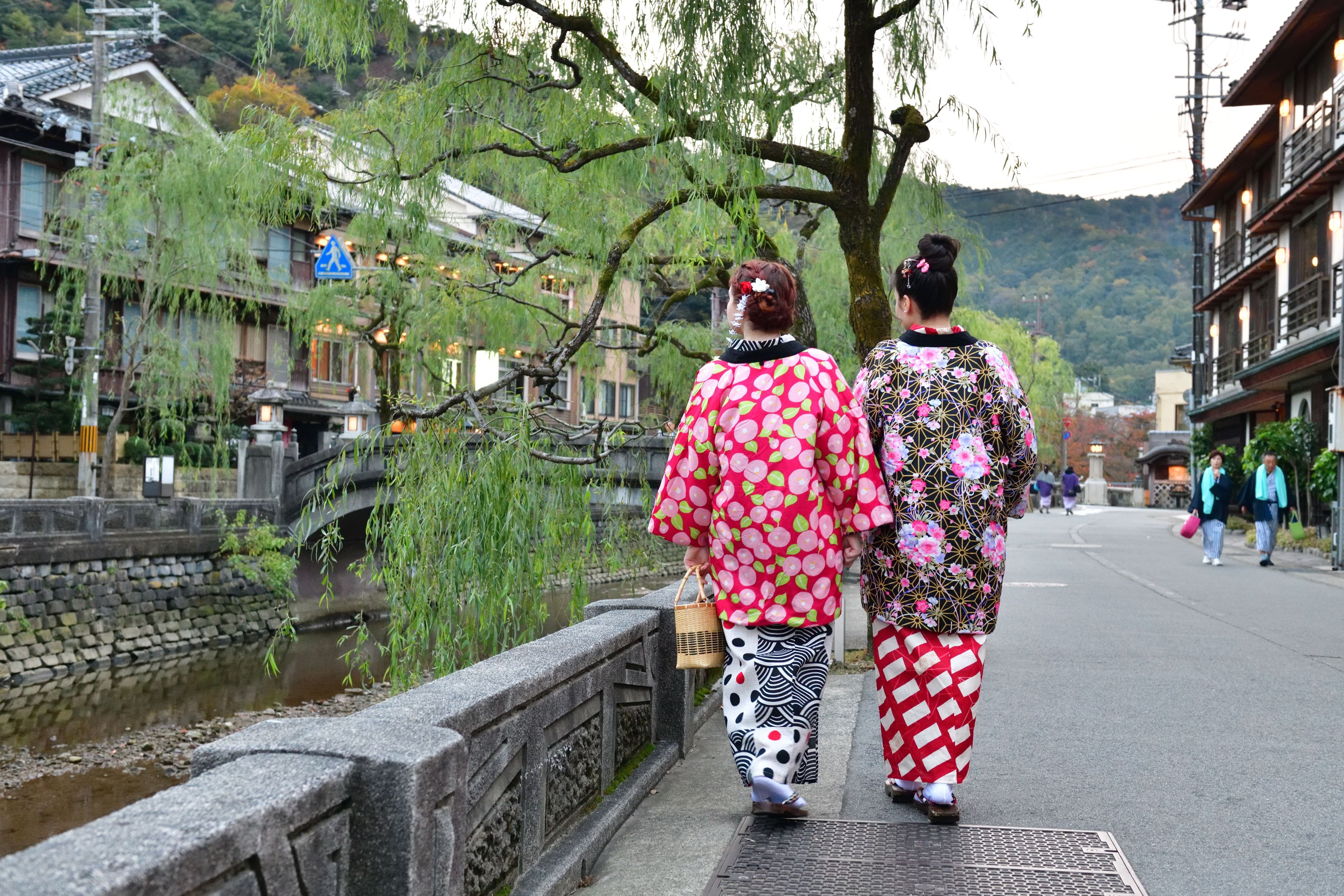
Kinosaki Onsen, Hyogo Prefecture
Kinosaki Onsen, Hyogo Prefecture
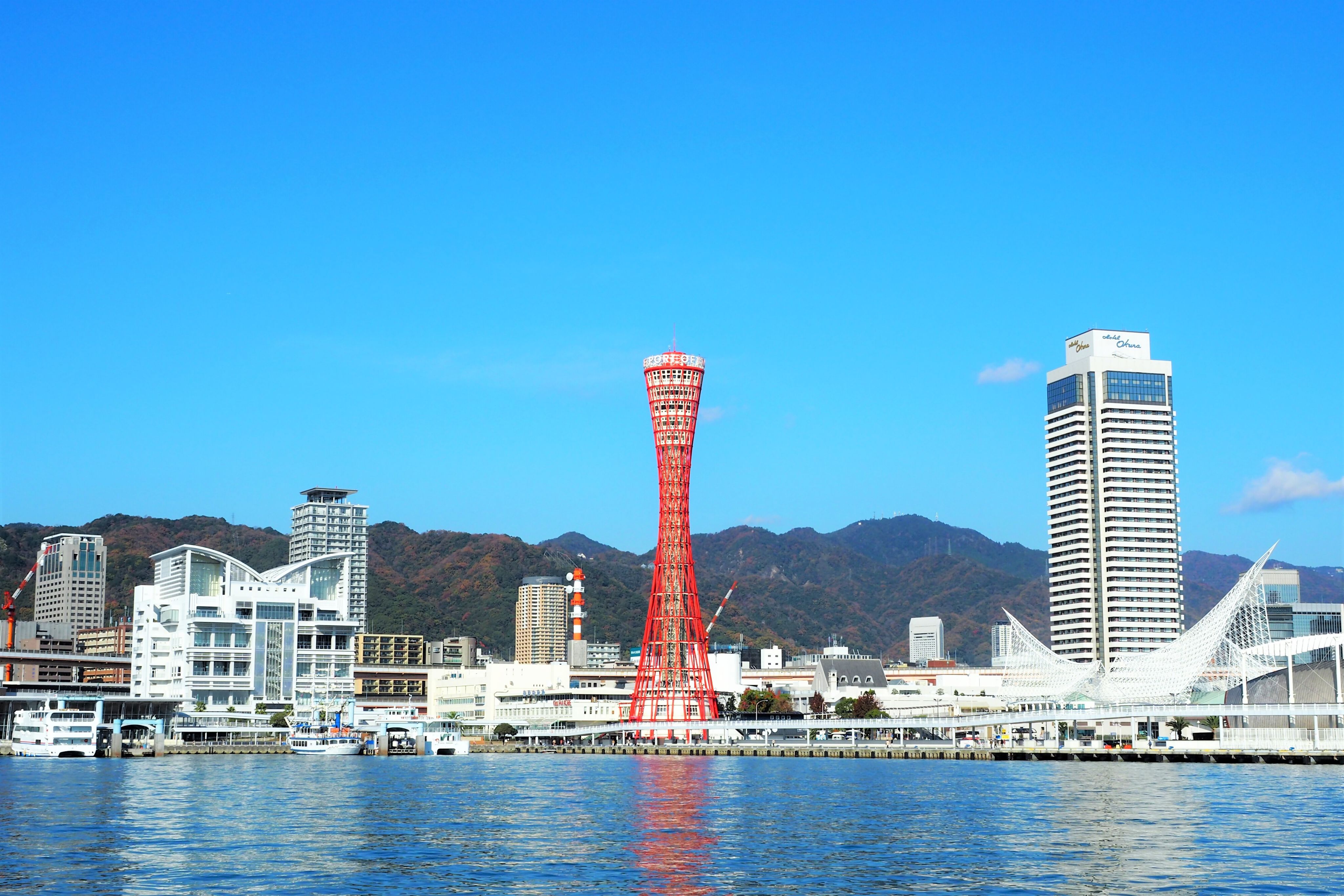
Meriken Park and Harborland, Kobe City
Meriken Park and Harborland, Kobe City
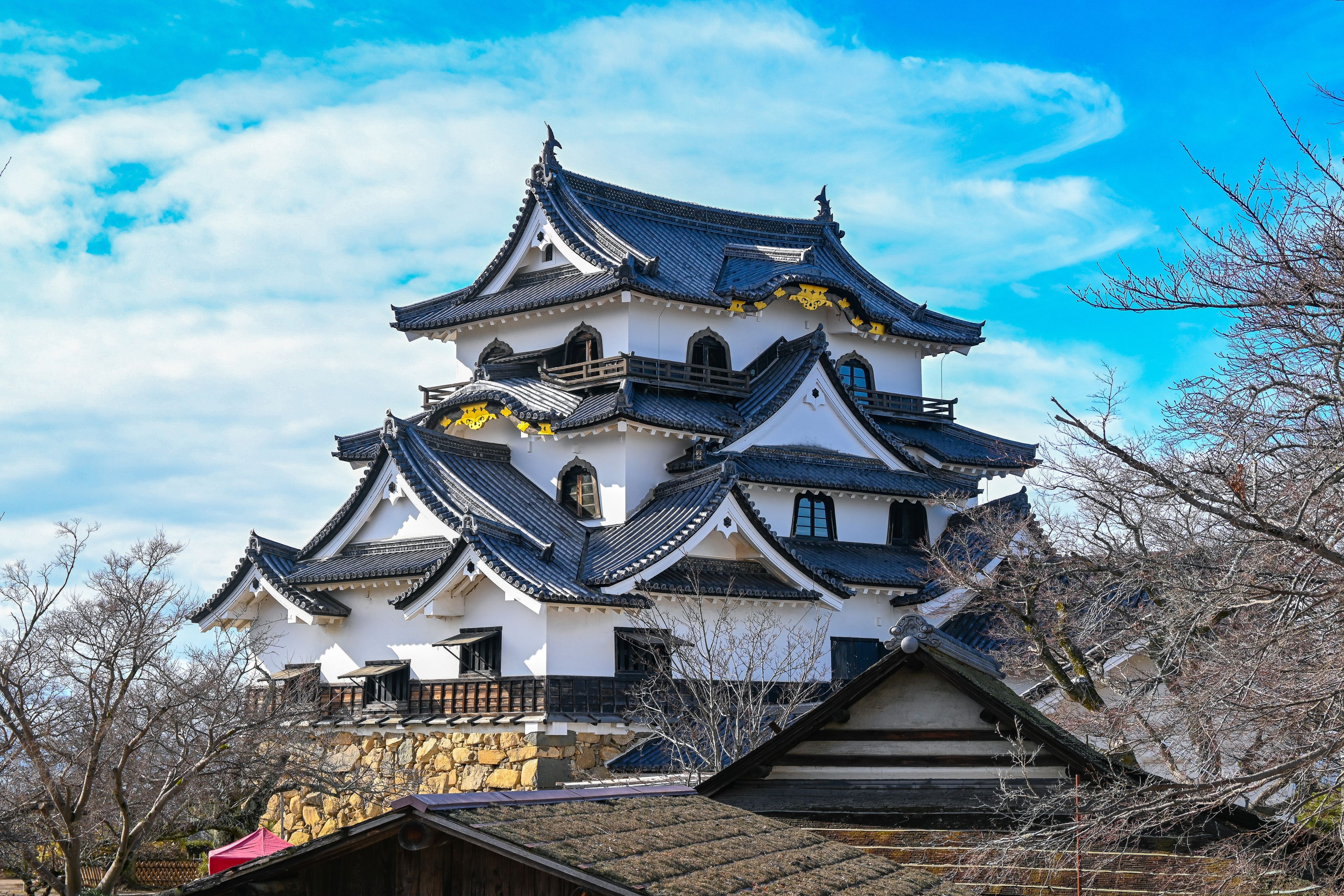
Hikone Castle, Shiga Prefecture
Hikone Castle, Shiga Prefecture
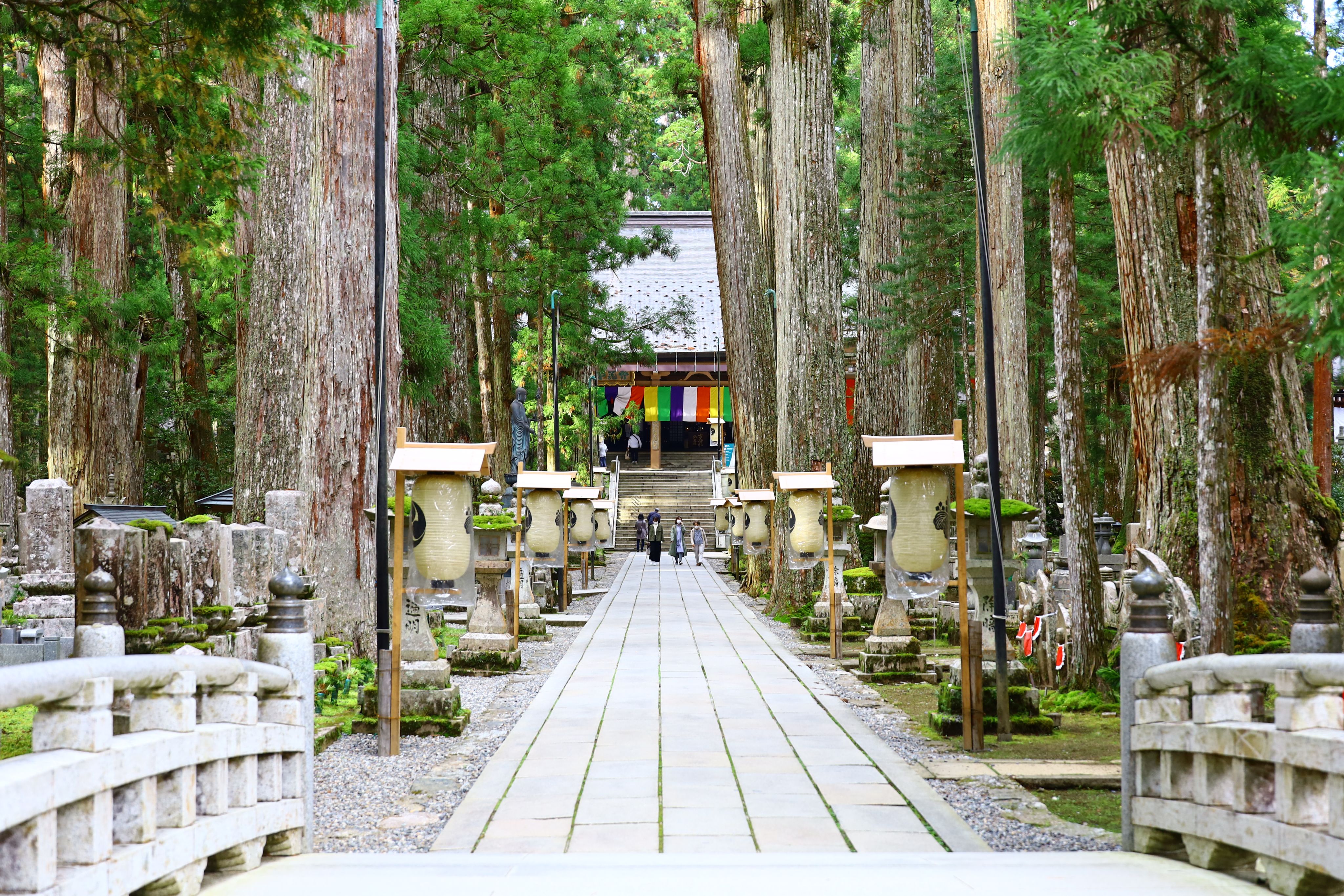
Okunoin Temple, Koyasan, Wakayama Prefecture
Okunoin Temple, Koyasan, Wakayama Prefecture

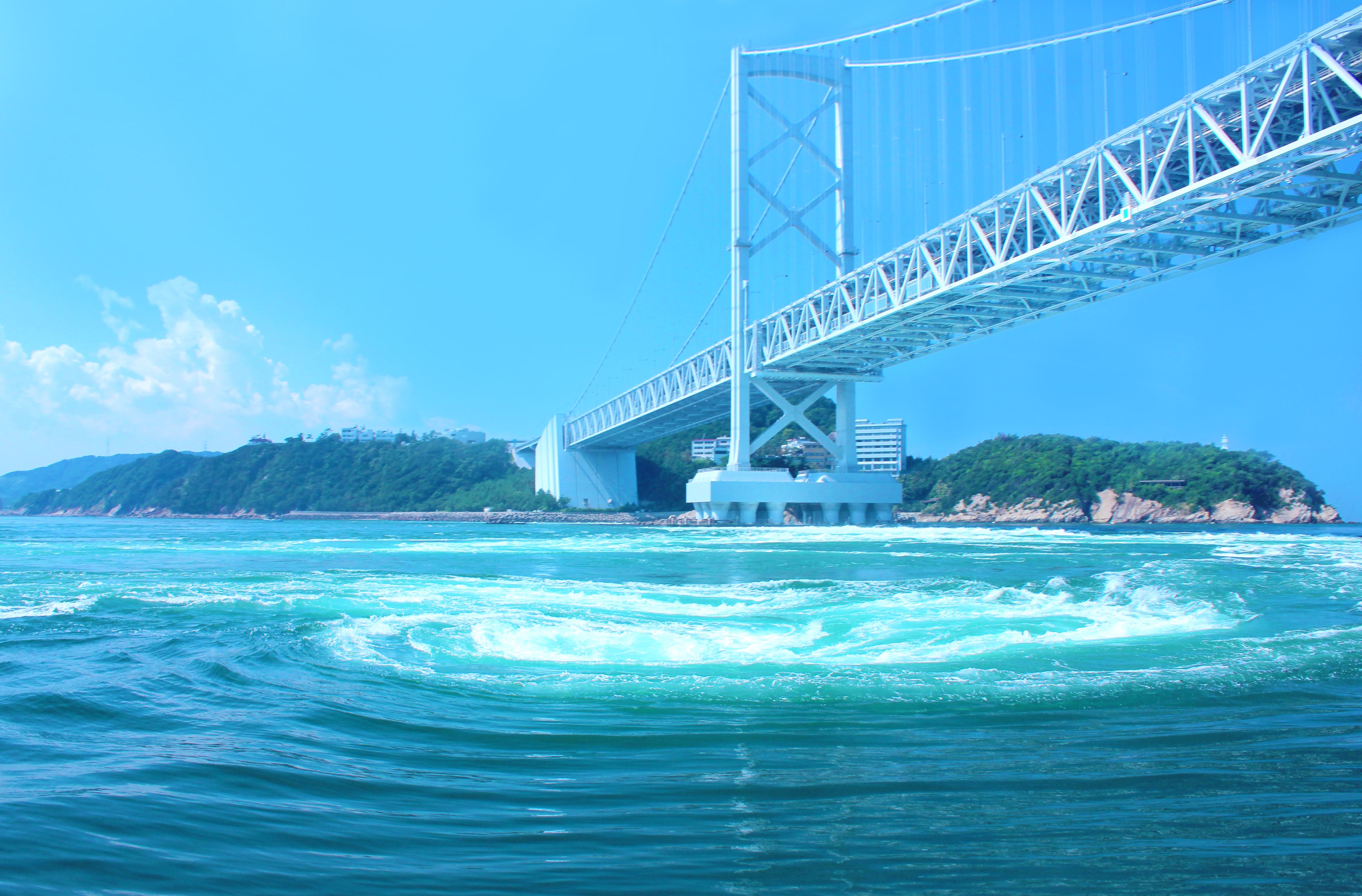
Naruto Strait whirlpools, Tokushima Prefecture
Naruto Strait whirlpools, Tokushima Prefecture


The Company uses Google Analytics, an access analysis tool provided by Google. Google Analytics uses cookies to track use of the Service. (Client ID / IP address / Viewing page URL / Referrer / Device type / Operating system / Browser type / Language /Screen resolution) Users can prevent Google Analytics, as used by the Company, from tracking their use of the Service by downloading and installing the Google Analytics opt-out add-on provided by Google, and changing the add-on settings on their browser. (https://tools.google.com/dlpage/gaoptout) For more information about how Google handles collected data: Google Analytics Terms of Service (https://policies.google.com/technologies/cookies?hl=en#types-of-cookies) Google Privacy & Terms(https://policies.google.com/privacy)
© Kyodo News. All Rights Reserved. No reproduction or republication without written permission.
 Built with Shorthand